
Causes and obd2 code P0160
Speaking from the trenches, the number one reason I see for a p0160 code is a worn-out O2 sensor. They just don’t last forever, especially with today’s fuel and all the heat they see. But don’t get tunnel vision-here are some other culprits I’ve run across:
- The sensor itself on bank 2, sensor 2 giving up the ghost-classic failure, especially on higher-mileage cars.
- Exhaust leaks or holes near the sensor. Even a small leak can trick the sensor or keep it from reading anything at all.
- Electrical gremlins: melted wiring, crusty connectors, or a wire that’s rubbed through where it shouldn’t. I’ve chased plenty of these on cars that live in salty or wet climates.
- Once in a blue moon, a faulty PCM-but I wouldn’t start there unless you’ve ruled out everything else.
Nine times out of ten, it’s the sensor or the wiring. But don’t ignore the possibility of a sneaky exhaust leak-that’ll get you.
Symptoms and P0160 code
Here’s what you’re likely to notice if you’ve got a p0160 code hanging around. First-and this one’s no surprise-the check engine light is going to light up your dash. But that’s just the tip of the iceberg. Listen for a rough idle, or maybe the engine hesitates when you hit the gas. If you pay attention, you might catch your fuel mileage dropping off. Sometimes the symptoms are barely there, but if you know your car, you’ll spot the difference. Spot these signs? Don’t let it slide-get it checked before it turns into something bigger.

Diagnosis process for dtc P0160
Let me walk you through how I track down a p0160 in the garage, and you can use the same steps if you’re up for some DIY. Start with your eyes-pop the hood and trace the wiring to bank 2, sensor 2. Look for melted spots, broken plugs, or wires that look out of place. Next, run your hand near the exhaust by the sensor (engine off and cool, of course)-if you feel a puff or see black soot, you might have a leak. No obvious problems? Time to grab a scan tool and check the live data. That downstream sensor should show some voltage changes, even if it’s slow compared to the upstream. If it’s dead flat, you’ve found your clue. Got a multimeter? Test for power and ground at the connector. And double-check you’re poking at the right sensor-bank 2, sensor 2 trips up even seasoned techs sometimes. If the wiring and exhaust are solid but the sensor’s still not talking, swap it out. That usually does the trick.
Common Mistakes and P0160 trouble code
A classic mistake I see-folks rush to swap the O2 sensor without even glancing at the wiring or looking for exhaust leaks. That’s a good way to throw money out the window if the real issue is a fried wire or a pinhole leak. Another one? Mixing up which sensor is which. Bank 2, sensor 2 isn’t always where you’d expect. Do yourself a favor: slow down, check the basics, and confirm you’re working on the right part. And whatever you fix, remember to clear the code and take the car for a spin. You want to be sure the fix sticks.

Seriousness of a P0160 engine code
Don’t make the mistake of letting this one ride. Sure, your car might limp along for a while, but ignoring a dead O2 sensor means your PCM can’t dial in the fuel mixture. That’s going to cost you at the pump, maybe make the car run like a dog, and worst of all, it can toast your catalytic converter over time. Those aren’t cheap-trust me, you don’t want that bill. Plus, with the downstream sensor out, your car might miss other emissions problems entirely. My advice? Tackle it now, before a minor annoyance becomes a wallet-buster.
Repair options for P0160
Here’s how I get my customers back on the road when p0160 pops up: If the sensor’s truly dead, swap in a new bank 2, sensor 2 O2 sensor. But-and this is key-don’t touch the parts drawer until you’ve sorted any wiring or connector issues, and sealed up exhaust leaks. Melted harness? It’ll need fixing or replacing. Only after you’ve ruled everything else out should you even think about the PCM. Once you’ve made the repair, clear the code, and take the car for a solid test drive. If the code stays gone, job well done.



Conclusion
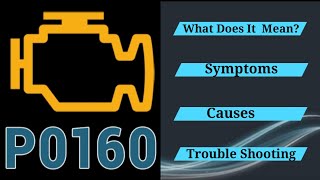
Bottom line-p0160 means the PCM isn’t hearing anything from the downstream O2 sensor on bank 2, and that’s bad news for efficiency and emissions. Most of the time, you’re looking at a tired sensor, a wiring headache, or maybe an exhaust leak. Don’t wait for it to get worse. Start with a careful inspection, fix any simple issues, and only then replace the sensor if it’s needed. That’s how you keep your ride healthy and avoid a much bigger repair bill down the line.
 4667
4667 5 minutes of reading