
Common Causes of the P0165 Engine Code
From what I see most often in the shop, there are a handful of usual suspects when it comes to P0165. Here’s what tends to cause this code to show up:
- A faulty downstream oxygen sensor (the one after the catalytic converter on bank 2) - these sensors do wear out over time.
- Burned, broken, or disconnected wiring or connectors leading to the sensor - heat from the exhaust can really do a number on these wires.
- A clogged or failing catalytic converter - if the converter is plugged up, it can mess with the sensor’s readings.
- Exhaust leaks upstream of the sensor - even a small leak can throw off the sensor’s ability to get an accurate reading.
From experience, wiring issues and sensor failures are the most common, but I’ve seen my share of bad catalytic converters too, especially if cheaper aftermarket parts were used.
Recognizing obd2 code P0165 Symptoms
If your car is dealing with a P0165 code, here’s what you might notice behind the wheel:
- The check engine light will almost always be on - that’s your first clue.
- You might feel a drop in overall engine performance - maybe it feels sluggish or just not as peppy as usual.
- Fuel economy can take a hit, so you’ll find yourself filling up more often.
- Sometimes, you’ll notice other related codes pop up, especially if there are multiple issues in the exhaust or emissions system.
Honestly, sometimes the symptoms are pretty subtle, but ignoring them can lead to bigger headaches down the road.

How to Diagnose dtc P0165 Properly
Here’s how I’d tackle a P0165 code in the shop, and you can follow along with some of these steps at home if you’re comfortable:
- First, I always check for any Technical Service Bulletins (TSBs) for your specific car - sometimes the manufacturer already knows about a common issue and has a fix.
- Next, I grab a scan tool and pull all stored codes and freeze frame data. It’s important to see if there are any other codes that might be related, like misfire or airflow sensor codes. If those are present, they need to be fixed first.
- Then, I do a thorough visual inspection of the wiring and connectors going to the downstream O2 sensor. Look for melted, frayed, or disconnected wires - especially around the hot exhaust pipes and sharp edges. Don’t forget to check the sensor’s connector for corrosion or loose pins.
- If everything looks good visually, I clear the codes and see if P0165 comes back after a short drive. If it does, I use the scan tool to monitor the live data from the downstream O2 sensor. The readings should be fairly steady, not flatlined or wildly erratic.
- If the sensor’s data looks off, I use a digital voltmeter to check the sensor’s signal and ground wires for proper voltage and resistance. Make sure to disconnect the sensor before testing resistance to avoid damaging your meter or the car’s electronics.
- If the sensor and wiring check out, but the code keeps coming back, I start looking at the catalytic converter itself. A clogged converter can cause all sorts of problems, and sometimes you can hear it rattling or see it glowing red hot after a drive.
It’s best to have someone help you if you’re poking around under the car, and always let the exhaust cool down before touching anything.
Avoiding Common P0165 Code Mistakes
I’ve seen a few common missteps when folks try to fix this code:
- Jumping straight to replacing the O2 sensor without checking the wiring first - a lot of times, it’s just a damaged wire or loose connector.
- Ignoring other related codes, like misfire or airflow sensor codes, which can actually be the root cause.
- Overlooking exhaust leaks - even a small leak upstream of the sensor can throw off the readings and trigger this code.
- Using cheap aftermarket catalytic converters or sensors - these can fail quickly and cause repeat problems.
Take your time with the basics before spending money on new parts.

The Seriousness of a P0165 Trouble Code
This isn’t something you want to ignore. When the downstream O2 sensor isn’t working right, your car can’t properly monitor the catalytic converter’s performance. That means you could be running with higher emissions, risking damage to the converter itself, and even causing the engine to run poorly. If left unchecked, a bad sensor or wiring can lead to a clogged converter, which is a much more expensive fix. Plus, you might fail an emissions test or even damage the engine over time. Things can go south quickly if this is overlooked - don’t put it off for later.
Recommended Repairs for obd code P0165
Here’s what usually fixes a P0165 code, based on what I see in the field and the official repair procedures:
- Replacing the faulty downstream O2 sensor with a high-quality, OEM-spec part.
- Repairing or replacing any damaged wiring or connectors leading to the sensor.
- Fixing any exhaust leaks upstream of the sensor - sometimes it’s just a gasket or clamp that needs attention.
- If the catalytic converter is clogged or damaged, replacing it with an OEM or high-quality aftermarket unit (avoid the cheap stuff - it’s not worth the trouble).
After repairs, always clear the codes and take the car for a test drive to make sure everything’s working as it should.


Conclusion
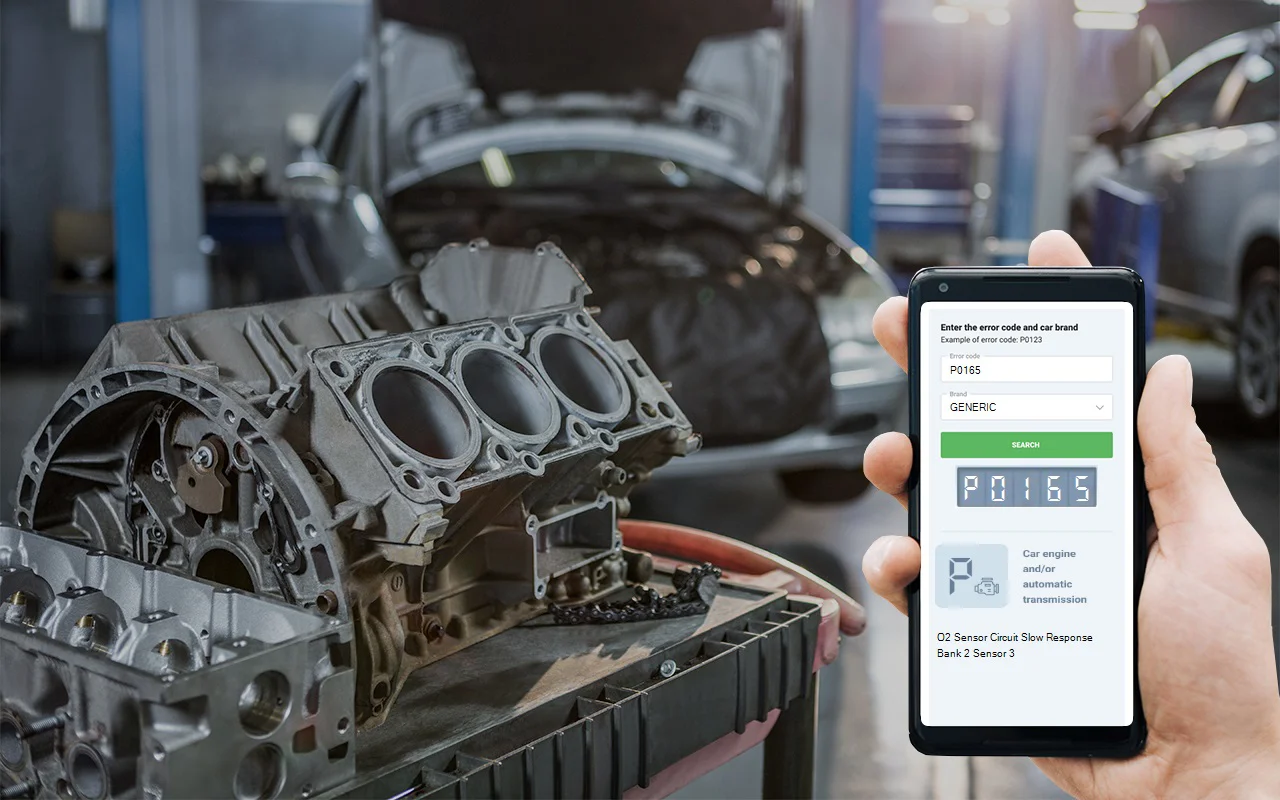
To sum it up, code P0165 means your car’s computer isn’t getting a quick enough response from the oxygen sensor after the catalytic converter on bank 2. This can lead to poor performance, higher emissions, and even expensive damage if ignored. I recommend starting with a careful inspection of the sensor and its wiring, then moving on to the catalytic converter if needed. Don’t let this one slide - it’s a moderate to high priority fix, and getting it sorted out promptly is the best way to keep your car running clean and smooth.
 5552
 6 minutes of reading