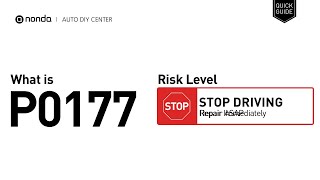
Causes of P0177 trouble code
From my time under the hood, I’ll tell you the number one cause of a P0177 is a bad fuel composition sensor. These things just don’t last forever-especially if you’ve ever had questionable fuel in the tank. But don’t overlook the wiring. I’ve chased this code only to find a crusty connector or a wire chewed through by a critter. Every so often, the PCM itself is the culprit, or it’s just running outdated software. Here’s what I run into most often:
- Fuel composition (flex fuel) sensor failure
- Wiring or connector issues in the sensor’s circuit
- PCM failure or the need for a PCM software update
Pro-tip from the garage: Always start with the sensor and its wiring before blaming the computer. Saves a lot of headaches down the road.
Symptoms of P0177 code
When P0177 is on the table, the check engine light usually shows up first. But in my experience, that’s just the start. Drivers come in complaining about rough running, hesitation, bogged-down acceleration, or even stalling out-especially if the fuel blend in the tank isn’t what the car thinks it is. Hard starts in the morning? Yep, seen that too. And don’t be surprised if your fuel mileage takes a nosedive. Basically, if your engine can’t adjust to the right fuel mixture, things start going sideways pretty quickly. If you’re noticing any of these, don’t wait around-get it checked out before things get worse.

Common mistakes when repairing dtc P0177
A classic mistake I see all the time? Folks jump straight to swapping out the fuel composition sensor without checking the wiring. Nine times out of ten, it’s a crusty connector or a broken wire causing the headache. Another misstep: ignoring available PCM software updates. Sometimes a quick reflash is all it takes. Skipping the basics or not cracking open the OEM repair manual can turn a simple fix into a wild goose chase. Bottom line-always check the easy stuff before you start throwing expensive parts at the problem.

Repair procedures for obd code P0177
From my bench, the fix for P0177 usually comes down to replacing a bad fuel composition sensor. But don’t skip over the wiring-if connectors or wires are corroded or broken, you’ve got to repair or replace those first. Sometimes, a PCM software update is all you need, especially if there’s a TSB for your vehicle. Replacing the PCM itself is rare, and that’s only after you’ve ruled out everything else. Here’s my step-by-step approach:
- Check and repair any wiring or connector issues at the sensor
- Swap out the fuel composition sensor if it’s faulty
- Update the PCM software if there’s an update out there
- Only replace the PCM if it’s confirmed bad and nothing else worked
My advice? Stick with OEM parts and procedures for the best shot at a reliable repair.
Conclusion
If you take away one thing, let it be this: P0177 means your car’s brain is flying blind when it comes to what’s in your gas tank. That can quickly lead to lousy performance or even engine damage if you ignore it. Tackle it early-start with simple checks like wiring and connectors, then move on to the sensor, and only suspect the PCM if you’ve ruled everything else out. Waiting is risky business. In my shop, the most common fix is repairing some wiring or swapping the sensor, and that usually gets folks back on the road in no time.
Video for "Error p0177" on YouTube
The following error codes are often searched for

 6560
6560 5 minutes of reading