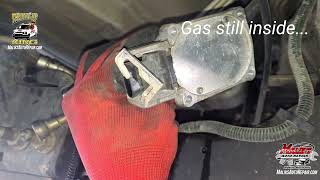
If you’re staring down a p0178 code, let me break it down for you like I would for a buddy at the shop. This code means your car’s PCM-the main computer-thinks it’s getting a reading from the fuel composition sensor that’s way too low. Now, that sensor (some folks call it the flex fuel sensor) is absolutely vital if your ride can run on both standard gas and higher-ethanol fuels like E85. Its job? Figuring out how much ethanol is blended into your fuel and sending that info straight to the PCM. The computer then tweaks fuel injection and spark timing based on what it sees, keeping your engine running smooth whether you’re filling up with regular or flex fuel. When that sensor signal drops below what the PCM expects-think below 45 Hz if you’re dealing with a GM-boom, p0178 gets set. What does this mean for you? Your car’s computer is basically flying blind about your fuel mixture, and that can throw your engine’s operation out of whack in a hurry.
DTC P0178
 6491
6491 5 minutes of reading
Causes and dtc P0178
From my time under the hood, the number one reason for a p0178 code is a bad fuel composition sensor. Happens all the time. But that’s not the only thing that can trip this code. Here’s what I always check, right in order:
- A failing or totally dead fuel composition (flex fuel) sensor-most common by far
- Wiring or connector problems at the sensor-corrosion, loose pins, frayed or broken wires are classic culprits
- PCM issues-rare, but not impossible
- PCM software that’s out of date and needs an update
Nine times out of ten, the sensor or its wiring is to blame, but I never assume. I always make sure to check the basics before pointing fingers at the computer.
Symptoms and obd code P0178
Whenever p0178 pops up, here’s what I usually see in the shop. The check engine light is almost a given-it’ll light up and stay on. You might notice your engine running rough, like it’s missing a beat, or maybe it even stalls out at a light. Sometimes, the car just doesn’t want to start at all, especially if the sensor’s really gone haywire. Another thing that gets people cursing at the pump is fuel economy taking a dive-suddenly you’re burning through more gas than usual. None of these are good signs, and if you catch them early, you’ll save yourself some real headaches.

Diagnosis and obd2 code P0178
Let me walk you through how I’d tackle a p0178 diagnosis in my own bay. First move: open up the hood and take a close look at the wiring and connectors on the fuel composition sensor. I’m talking about obvious stuff-damaged wires, green corrosion, loose plugs. Sometimes, just unplugging and snapping the connector back in can fix a bad connection. Next, I hook up a scan tool and watch the live data from the sensor. If the frequency stays stuck low-under 45 Hz-you’re onto something. Got a multimeter and know how to use it? Check for the right voltage at the power and ground wires feeding the sensor. If the wiring’s solid but the sensor’s output is still out of whack, odds are the sensor’s shot. If everything checks out and the code still won’t quit, I look into PCM updates or, in rare cases, suspect the PCM itself. If you’re not comfortable chasing down electrical gremlins, get a second set of hands. And always double-check those connections before you start swapping out parts.
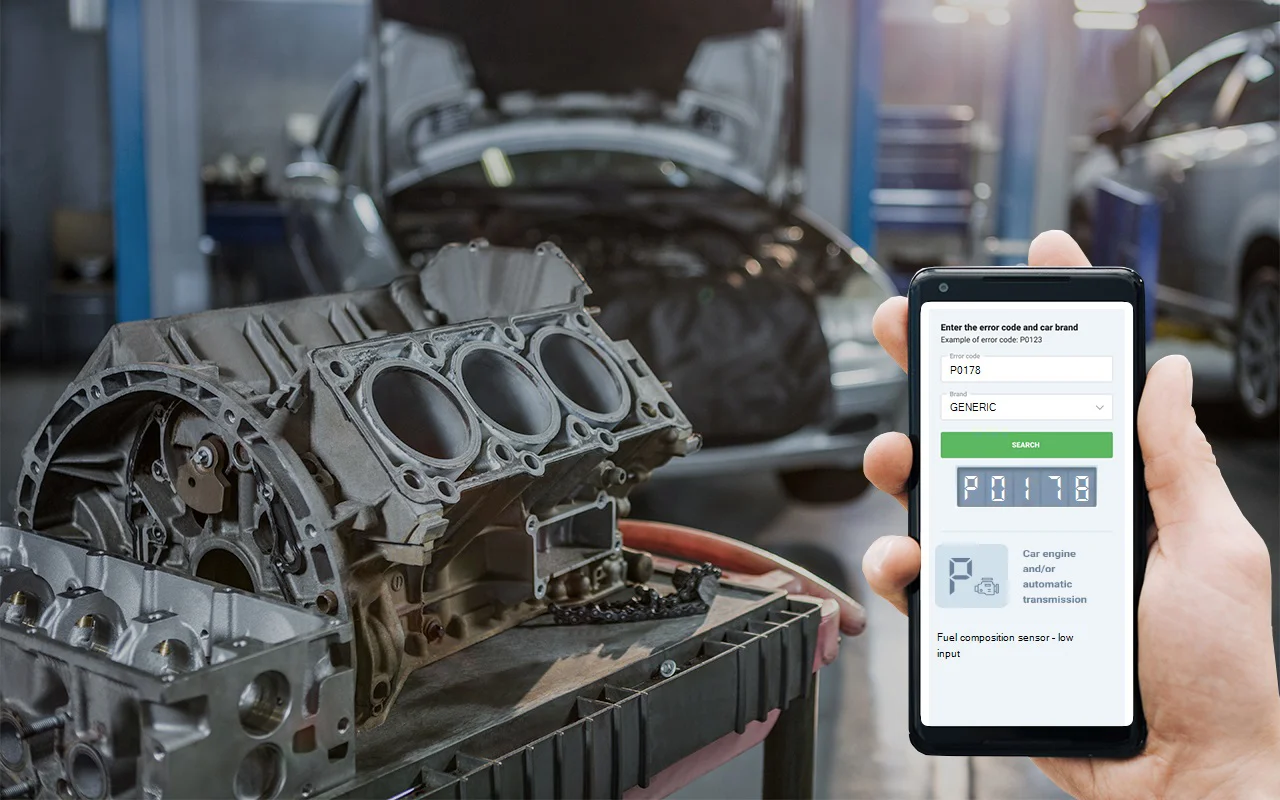
Common Mistakes with P0178 engine code
A classic mistake I see is folks immediately replacing the fuel composition sensor without even glancing at the wiring or connectors. Don’t fall into that trap-those connections are notorious for causing trouble, and skipping this step will cost you time and money. Another thing that slips under the radar is the PCM software; sometimes a quick reflash is all it takes. Don’t just clear the code and cross your fingers, either. If you don’t fix the real issue, that light is coming right back. And remember, it’s not always the sensor-always make sure you’ve checked the wiring and ruled out a PCM problem before buying parts you might not need.

Seriousness of P0178
Take it from someone who’s seen the fallout: you don’t want to ignore a p0178. When the PCM’s not getting the facts about your fuel mix, the engine can start running rough, stall out, or refuse to fire up altogether. If you let it go long enough, you could end up fouling spark plugs, clogging injectors, or even damaging the catalytic converter. It’s not just a nuisance-your car could leave you stranded or rack up a much bigger repair bill if you wait too long.
Repair Steps for P0178 code
Here’s my go-to game plan when I’m fixing a p0178:
- First, repair or replace any wiring or connectors at the fuel composition sensor that look suspect
- If the sensor itself is bad, swap it out for a new one
- Check if there’s a software update for your PCM and get it reflashed if needed
- In rare cases, if all else fails, replace the PCM
Start with the simple stuff-the wiring and connectors-before jumping to sensor or PCM replacement. That approach has saved me and plenty of customers a lot of time and cash over the years.
Conclusion
Bottom line: a p0178 code means your car’s computer isn’t getting the right message from the fuel composition sensor, and that’s critical for flex fuel vehicles. Don’t let it slide-ignoring this code can lead to bad performance, wasted fuel, and even engine damage. My advice? Start with the basics: check your wiring and connectors with a sharp eye, then move on to the sensor. Update your PCM software if you need to. Most of the time, once you sort out the sensor or its wiring, you’re back in business. Stay on top of it now, and you’ll dodge bigger, more expensive problems down the road.
- DTC P0178 : Diagnostic Trouble Code P0178 | Symptoms, Causes, and How To Trouble Shoot
- Chevrolet Suburban - GMC Yukon Code P0178
- P0178 Fuel Composition Sensor Circuit Low Input 🟢 Trouble Code Symptoms Causes Solutions

- GET RID OF CODES P0178-P0179 | GMC YUKON 5.3 2WD | FLEX FUEL | FUEL COMPOSITION SENSOR | Howto/Diy