When you see a P0179 code pop up, your car’s computer is basically telling you it’s picking up a high signal from the fuel composition sensor circuit. Now, from years spent diagnosing fuel issues, I can tell you this sensor is critical if you're running a flex-fuel vehicle-those that burn E85 or regular gasoline. Its main job? Figuring out just how much ethanol is mixed into your gas. The fuel composition sensor sends this info over to the powertrain control module (PCM), which then tweaks your fuel injection and ignition timing to suit the blend and keep your ride running right. If the PCM sees a voltage that’s way higher than normal coming from this sensor, that’s when it throws the P0179 code. In plain English: your car is waving a flag, saying, “Something’s not right with how I’m reading the fuel blend.”
DTC P0179
 5574
5574 6 minutes of reading
Causes of P0179
Let me break it down-after plenty of time chasing down this code, I can say the most common reason is a bad fuel composition sensor. But don’t overlook the wiring. I’ve lost count of how many times a simple corroded connector or a busted wire was the actual villain here. And while it’s rare, sometimes the PCM itself acts up, either by glitching out or running on outdated software. Here’s what I see most in the garage:
- Fuel composition sensor that’s failed or acting up
- Wiring headaches (think corrosion, snapped wires, or loose connectors)
- PCM gremlins (not common, but they do crop up)
- PCM software that needs an update
Nine times out of ten, it’s an electrical issue. My advice? Always start with the sensor and its wiring before you point fingers at the PCM.
Symptoms Related to obd2 code P0179
Here’s what tips me off to a P0179 in the shop: that pesky check engine light is almost always staring back at you. You might also notice your car just isn't itself-it could feel sluggish, maybe it takes a few extra cranks to fire up, or you’re making more trips to the pump than usual. I’ve had plenty of folks complain about rough idling or a lag when stepping on the gas. Watch out for the following:
- Check engine light glaring at you
- Engine not running as strong (sluggish, or hesitating)
- Hard starts
- Fuel mileage dropping off
If you spot any of these, don’t just shrug them off. It goes from a nuisance to a real problem in no time if you ignore it.

Diagnosis Steps for dtc P0179
When I’m tracking down a P0179, I stick to a tried-and-true process you can use too-assuming you’re comfortable getting your hands dirty. First, take a good look under the hood. Check the wiring running to the fuel composition sensor-look for frayed insulation, connectors that aren’t seated right, or any sign of corrosion. Next, give the sensor itself a once-over for cracks or physical damage. Then, grab a scan tool to confirm the code and poke around for any related trouble codes that might tell more of the story. If everything checks out visually, I’ll break out the multimeter and check the sensor’s voltage against the specs from the service manual. If the readings are off the charts, odds are the sensor’s toast. But if the sensor seems fine, I start digging into the wiring harness, looking for breaks or shorts. Only after all that do I start thinking about the PCM as a suspect. If you’re new to this, it helps to have a buddy around, and always disconnect the battery before unplugging anything-nothing ruins a day like an accidental short.
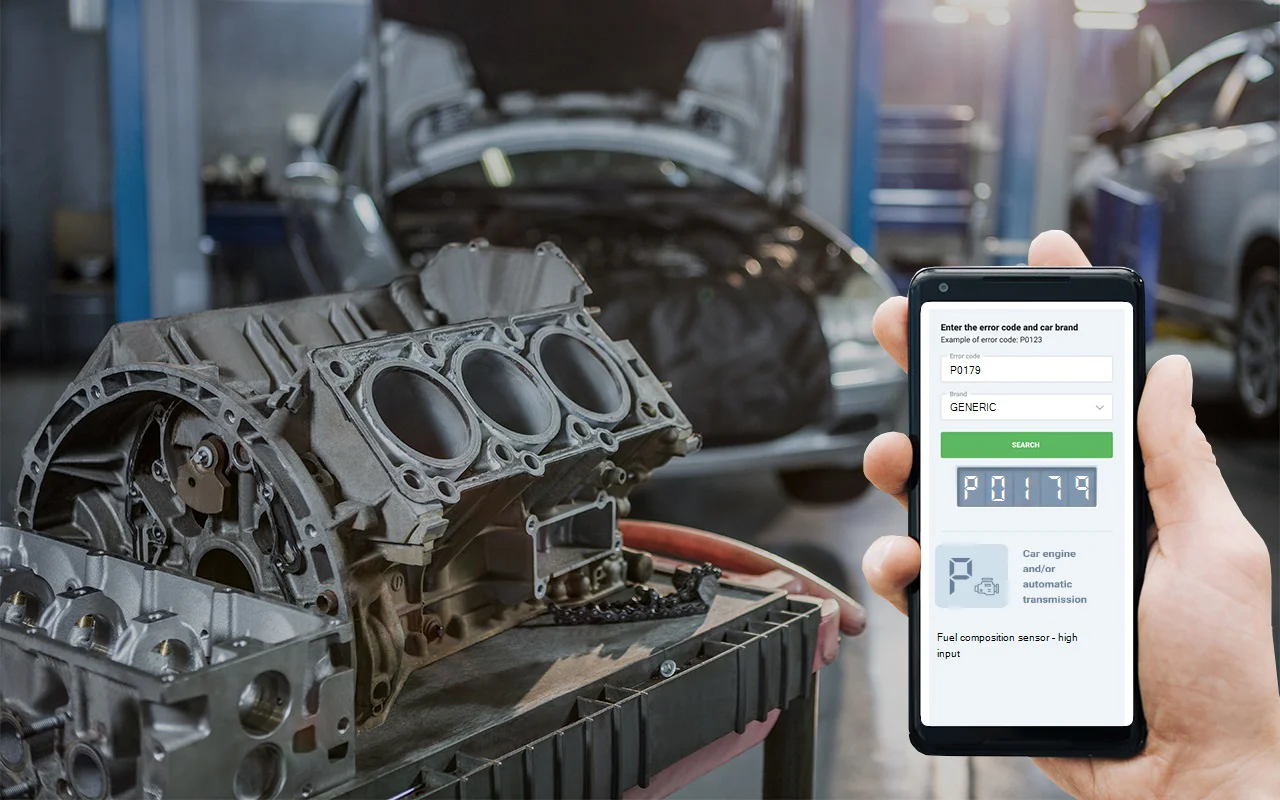
Common Mistakes When Fixing obd code P0179
A classic mistake I see all the time? People yank out the fuel composition sensor right away, thinking that’s the fix, but they never even glanced at the wiring. If the wiring’s actually the issue, you just wasted cash on a good part. Another one: folks ignore PCM software updates. Sometimes a simple reflash can clear everything up. And don’t skip checking for other codes-sometimes there’s a bigger story your car’s trying to tell you. Remember, chasing after expensive parts before covering the basics is an easy way to burn through money fast.

Seriousness of P0179 code
Take it from me-this isn’t a code you want to put on the back burner. When the fuel composition sensor isn’t doing its job, your engine’s flying blind, unable to adjust for whatever’s actually in your tank. That leads to poor performance, hard starts, and if you let it go, you risk real engine damage. I’ve seen everything from misfires to catalytic converters getting fried because someone waited too long. Bottom line: don’t mess around with this. Get it fixed before it snowballs into something nasty.
Repair Solutions for P0179 engine code
Most of the time, swapping in a new fuel composition sensor sorts things out. If you find busted wires or crusty connectors, patching or replacing those usually does the trick. Every now and then, updating the PCM software is all it takes-especially if there’s a technical service bulletin floating around for your car. In rare cases, you might have to replace or reprogram the PCM if it’s really fried. Here’s what I’ve found fixes this code most often:
- Replace the fuel composition sensor if it’s shot
- Repair or swap out bad wiring or connectors
- Update the PCM’s software when needed
- Replace or reflash the PCM, but only after you’re sure it’s to blame
Always stick to the specific steps in your vehicle’s service manual for best results. It’ll save you time-and headaches-down the road.
Conclusion
So here’s the bottom line: P0179 means your car’s computer is seeing a high signal from the fuel composition sensor circuit, usually because of a bad sensor or wiring trouble. This isn’t something to ignore, since letting it slide can set you up for even bigger headaches. The best move? Start with a thorough check of the sensor and wiring, then look at software or PCM issues if you strike out there. Moving fast is always smarter, and in my experience, fixing the sensor or wiring nails it most of the time. Don’t drag your feet-tackling this now keeps your engine running right and saves you a world of frustration down the line.