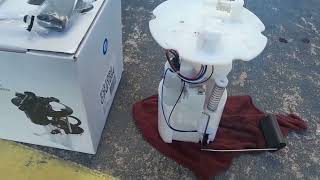
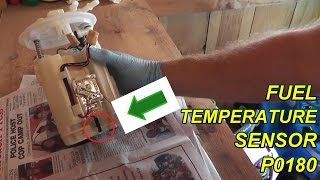
When you see the P0181 code show up, what you’re really dealing with is your car’s computer-what we call the PCM-picking up a strange voltage signal coming from the fuel temperature sensor circuit, specifically circuit “A.” In the real world, this basically means the PCM isn’t getting the fuel temperature info it expects. Now, from my time under the hood, I've seen that this particular sensor is usually tucked inside the fuel composition sensor, which you’ll find between the fuel tank and the fuel rail. Its job isn’t just to read temperature; it’s also telling the computer about the makeup of your fuel-things like ethanol or water content. The PCM uses all that data to fine-tune how much fuel it squirts into the engine, which matters even more if you’ve got a flex-fuel ride. When this sensor sends readings that don’t add up, or you see wild swings compared to the outside temp, the computer flags it, stores the code, and often lights up your check engine light. Sometimes, it might take a few trips for that light to finally come on, so don’t be surprised if it seems like it shows up out of the blue.
DTC P0181
 4780
4780 6 minutes of reading
Causes of the P0181 code
From what I see most often in the shop, the P0181 code is usually triggered by a handful of common issues. Here’s what tends to be at fault:
- A faulty fuel temperature or fuel composition sensor - these can wear out or fail over time.
- Problems with the wiring or connectors - things like broken wires, corrosion, or loose plugs can mess with the signal.
- A bad intake air temperature sensor or ambient temperature sensor - sometimes the PCM compares these readings, and a problem here can throw things off.
- PCM issues or programming errors - not as common, but I’ve seen it happen.
In cases like this, it’s usually one of the first two, but I always check the others just to be sure.
Symptoms of a P0181 engine code
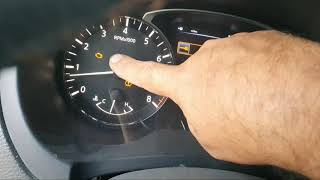
If I’m being honest, you might not feel anything different behind the wheel except for your check engine light glaring at you. That’s the most common sign. But sometimes, if things get worse, other fuel composition codes might crop up. On rare occasions-especially in flex-fuel cars-you could run into rough idling, lousy fuel mileage, or even hard starting. Still, for most folks, it’s just that nagging warning light that brings you into the shop.

Diagnosis and testing for obd2 code P0181
Let me walk you through how I’d run down a p0181 code. First off, I always start simple: pop the hood and give all the wiring and connectors around that fuel composition sensor a close look. Keep your eyes peeled for burnt, brittle, corroded, or loose connections-these little gremlins cause more headaches than you’d think. Here’s a pro-tip from the garage: have a helper gently move the wires while you watch for any change in readings. Next, I hook up my scan tool and scan for related codes. Write them down-they can point you straight to the source of trouble. Then, with my trusty digital voltmeter, I check for the usual 5-volt reference and a solid ground at the sensor plug. Missing one? Time to trace those wires back to the PCM and hunt for a break or a short. If the power and ground check out, I’ll break out the oscilloscope to watch the sensor’s signal live. To make sure the sensor isn’t lying, compare its reading to the actual fuel temp with an infrared thermometer. If those numbers are way off, odds are your sensor’s toast. And don’t forget to look up any Technical Service Bulletins (TSBs) for your vehicle-sometimes the fix is already spelled out by the manufacturer. Once you’ve made your repairs, clear the codes and take the car for a spin. Code comes back? Time to dig deeper-sometimes it’s the PCM itself causing the trouble.

Common Mistakes when dealing with dtc P0181
A classic mistake I see all the time: folks jump straight to swapping out the sensor before checking the wiring. That’s an easy way to throw money down the drain. Another blunder? Overlooking TSBs-sometimes there’s a known issue with a simple fix you’re missing. I’ve also seen people skip comparing the sensor’s reading to the real fuel temp, and that can lead you chasing your tail. And here’s a real-world warning: always disconnect controllers before you start testing resistance with a voltmeter. Otherwise, you could fry something you didn’t mean to.

How serious is a P0181 trouble code
Let me be straight with you-this isn’t just a nuisance code. Your PCM is counting on good fuel temperature data, especially if you drive a flex-fuel vehicle. If you ignore it, you’re risking rough performance, increased emissions, or even damage to expensive parts like your injectors or the PCM itself. Once the computer starts getting bogus readings, things can go downhill fast. My advice: don’t put this off. Address it before it snowballs into a bigger (and costlier) problem.
How to repair P0181
From my experience, the fix is usually all about repairing or swapping out bad wiring or connectors. If you track it down to a bad sensor, go ahead and replace it. If there’s a TSB for your specific ride, always follow the factory fix-it’s there for a reason. On rare occasions, you might face a PCM that needs reprogramming or outright replacement. Once you’ve put everything back together, clear the code and take her for a test drive to make sure all’s well. And keep in mind, this p0181 headache isn’t limited to just one brand-I’ve seen it plenty with Nissan and Ford vehicles, too.
Conclusion
Bottom line? When you get a P0181, your car’s brain isn’t happy with what it’s hearing from the fuel temperature sensor. It’s essential to get a handle on this fast, since the wrong data can throw your engine’s performance way off and even lead to bigger headaches. Start with the basics-check the wiring and connectors, then put the sensor through its paces. Stick to a thorough, step-by-step diagnosis and don’t just guess or throw parts at it. Find the real root of the problem, fix it right, and you’ll save yourself a ton of trouble in the long run.