Let me break down what p0182 really means, from the viewpoint of someone who's spent plenty of time peering into engine bays. This code shows up when your vehicle’s PCM (that’s the powertrain control module, or in simpler terms, the car’s main computer) spots a hiccup with the fuel temperature sensor circuit. Specifically, it’s seeing a voltage that’s lower than it should be. Now, the fuel temperature sensor might seem like a tiny player, but it’s got a crucial job: keeping tabs on your fuel’s temperature and sending that info back to the PCM. Why does that matter? Because the PCM tweaks things like fuel delivery and ignition timing based on this data to keep everything running smooth and efficient. You’ll usually find this sensor mounted somewhere between the fuel tank and the injectors-out of sight, but not out of mind. So, when the PCM gets a reading that’s way off (in this case, much too low), it flags p0182. Don’t underestimate this sensor. Even though it’s small, it’s a key part of your engine’s overall fuel management system. If it’s not working right, you’ll feel it.
DTC P0182
 6402
6402 6 minutes of reading
Causes of P0182 engine code
From my time under the hood, I can tell you there are a handful of usual suspects behind a p0182 code. Here’s the short list I always check first:
- Faulty fuel temperature sensor. Hands down, this is the one I run into most. Sensors age, fail, or just plain give up after years of heat and vibration.
- Trouble with the wiring-damaged insulation, corroded pins, or connectors that have worked themselves loose. I’ve even found cases where a mouse decided to snack on the wiring harness!
- Issues with the PCM itself, or even outdated software. Admittedly, this is less common, but every once in a while, it’s the root of the problem.
In the majority of jobs, you’ll find the sensor or the wiring to blame. But, as any seasoned tech will tell you, always verify-never guess.
Symptoms of P0182
What should tip you off to a p0182? For starters, that trusty check engine light is almost guaranteed to be staring you in the face. But there’s more. You might notice the engine feels rough, misfires, or stumbles-like it’s just not as smooth as you’re used to. Sometimes the car drives fine, but don’t let the lack of symptoms fool you. That warning light is like your car waving a red flag. Ignore it, and you could be setting yourself up for bigger issues later.

Diagnosis process for P0182 code
My approach to diagnosing p0182 is pretty methodical-no shortcuts here. I always start with a visual check of the fuel temperature sensor and its wiring. Look for cracked insulation, signs of corrosion, loose plugs, or wires that look like they’ve seen better days. Here’s a pro-tip from the garage: have someone gently move the harness while you keep an eye on the scan tool’s live data. If the numbers dance around, there’s a wiring gremlin hiding somewhere. Next, grab your multimeter and check voltage at the sensor connector. Compare what you get to the manufacturer’s specs. If it’s way off, you’ve found your lead. I’ll also unplug the sensor-if the code changes or readings jump to a default value, that’s another clue. If the sensor and wiring check out, I take a close look at the PCM and see if there are software updates or technical bulletins related to this code. And here’s something many folks miss: scan for related codes. Sometimes they point you right to the root cause. Remember, always start with the basics before you start replacing parts or chasing down rare possibilities.
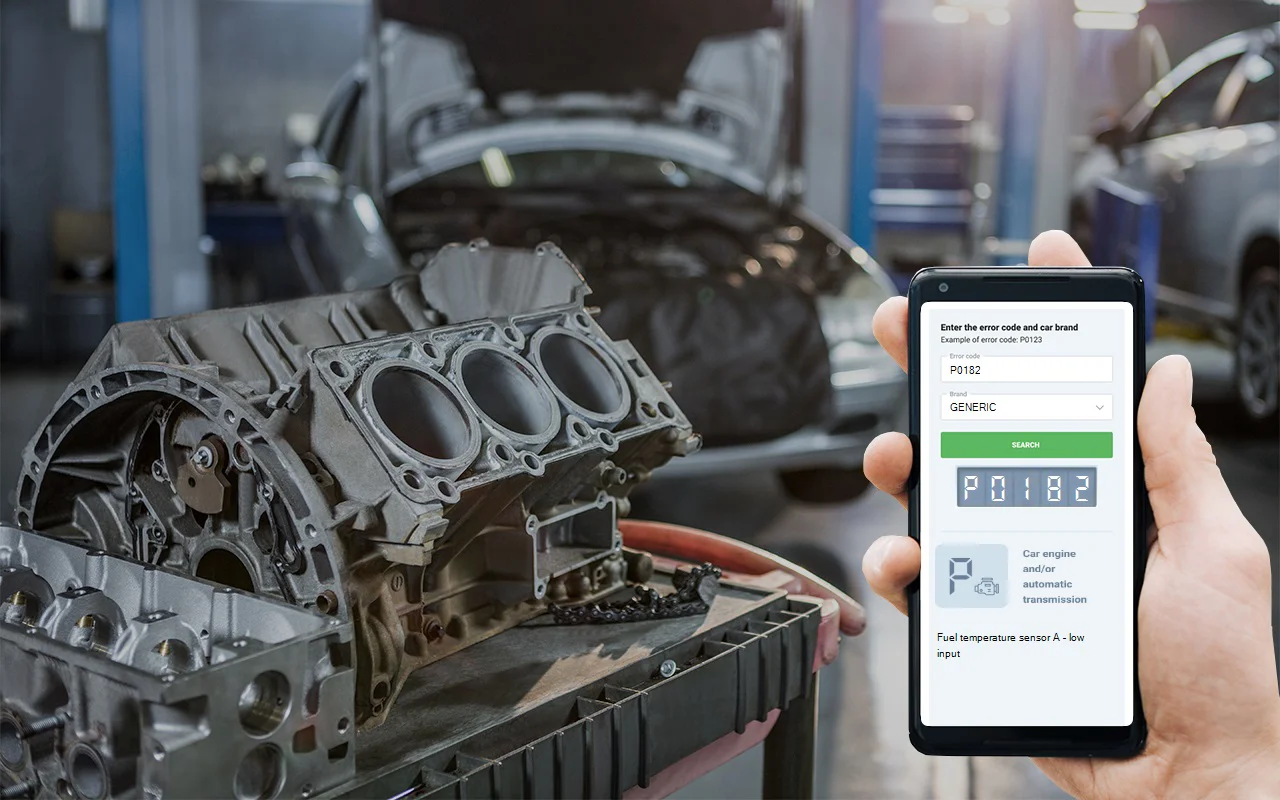
Common Mistakes when troubleshooting dtc P0182
A classic mistake I see is folks swapping out the fuel temperature sensor right away without so much as glancing at the wiring. Damaged or corroded wires are just as likely to trip this code. Another misstep? Not checking the service manual for the exact voltage numbers-guesswork here can send you down a rabbit hole. Overlooking PCM software updates is another one I see; sometimes, a simple update fixes the whole mess. Rushing or skipping these steps wastes both your time and your money. Be thorough, and you’ll save yourself a headache.

Seriousness of obd2 code P0182
Let me be blunt: p0182 isn’t something you can safely ignore. Sure, your car might still get you from A to B, but a faulty fuel temp reading can throw the whole fuel management system out of whack. That leads to rough running, lousy mileage, and even misfires. Left unchecked, those misfires can torch your catalytic converter or hurt other expensive parts. So, what does this mean for you? Delay fixing it, and you’re taking a real gamble with your engine and your wallet.
Repair options for P0182 trouble code
When it comes time to fix a p0182, here’s how I tackle it: First, if the sensor’s bad, replace it. If the wiring or connectors are damaged, repair or swap them out. If there’s a software update or technical bulletin for the PCM, get that handled-sometimes, that’s all it takes. Rarely, the PCM itself needs attention, but that’s not my first stop. Once repairs are done, always clear the code and take the car for a test drive. Make sure everything’s back to normal before calling it good. That’s how you know the job’s really done.
Conclusion
Bottom line? P0182 means your car’s PCM is getting a bogus low reading from the fuel temp sensor, and that can throw your engine out of balance. Don’t drag your feet-rough running and misfires aren’t just annoying, they can cost you big if ignored. Start with a careful inspection, double-check the wiring, look for software fixes, and only replace parts when you’re sure they’re toast. Acting quickly and methodically is the best way to keep your ride running like it should and avoid a world of trouble down the road.