
Causes of P0184 engine code
After years turning wrenches, I can tell you that P0184 usually comes down to a few usual suspects. Here’s what I see most often in the bays:
- First up: wiring problems. Think frayed wires, corrosion inside connectors, or even a broken pin-these are the most common troublemakers I find in the fuel temperature sensor circuit.
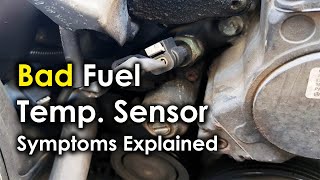
- A bad fuel temperature or composition sensor is next on the list. Sometimes, these just give up the ghost and start sending bogus readings.
- Every now and then, issues with other sensors-like your intake air temperature or ambient temp sensor-can trip this code, especially if they share circuits or data.
- And, although it’s rare, I have chased down a few PCM (engine computer) glitches or programming hiccups that set off P0184.
I always tell folks: start with the basics and check your wiring and connectors before blaming the sensor or computer. Nine times out of ten, that’s where the problem hides.
Symptoms of obd2 code P0184
Here’s what you might notice when P0184 shows up. First thing, that check engine light will probably come on-that’s your main clue. Sometimes, you won’t feel much else, especially if the issue is just beginning. In other cases, you might see additional fuel composition codes, or the engine could start acting up if the fuel mixture isn’t being calculated correctly. On flex-fuel vehicles, I’ve seen rough idling, hesitation, or even hard starts-especially if you’re running E85 or another blend. But honestly, a lot of the time, the only thing you’ll see is that pesky check engine light staring back at you from the dash.

Diagnosis process for P0184 code
Let me walk you through the steps I use in the shop to chase down a P0184 code-this is the same method you’ll see at the dealership, just without the fancy waiting room coffee:
- First, I always check for Technical Service Bulletins (TSBs) for your vehicle. Sometimes, the factory already knows about a recurring problem and has a straightforward fix.
- Next, I get up close with the wiring and connectors for the fuel temperature/composition sensor. Look for anything loose, corroded, burnt, or otherwise beat up. Don’t skip the harnesses near the tank-those spots get the most abuse from road grime and moisture.
- If everything passes the eye test, I clear the code and see if it returns. Every once in a while, a fluke will set this code, but if it comes back, it’s time to get serious.
- With a scan tool and a digital voltmeter (DVOM), I check for that 5-volt reference signal and a solid ground at the sensor connector. If either’s missing, I start chasing wires back to the PCM to find a short or open circuit.
- If the wiring holds up, I’ll use an oscilloscope (if I’ve got one handy) to watch the sensor’s output with the engine running. I’m looking for a nice, steady signal-not one that jumps around or drops out.
- Here’s a trick: I’ll use an infrared thermometer to measure the actual fuel temperature at the rail or tank and compare it to the live data from the sensor. If they don’t match up, the sensor’s probably lying.
- Finally, I’ll unplug the sensor and check its resistance against the specs in the service manual. And trust me-always unplug it before checking resistance, or you risk frying your PCM.
If you’re poking around near the fuel lines, grab a buddy for an extra set of hands. You can’t be too careful with fuel system work.
Common mistakes when troubleshooting obd code P0184
A classic mistake I see is folks running out and swapping the fuel temperature sensor before ever looking at the wiring. More often than not, the real headache is a damaged or corroded connector. Another one? Skipping the TSB check-sometimes the answer’s right there from the manufacturer, and you’d miss it. Don’t forget to check what the sensor is actually reporting compared to the real fuel temperature, or you’ll end up buying parts you don’t need. And here’s a pro-tip from the garage: always disconnect the sensor before checking its resistance. If you don’t, you might toast your PCM, and trust me, that’s an expensive mistake you’ll regret.

How serious is P0184
Take it from me-P0184 isn’t something to brush off. That fuel temperature sensor is vital for making sure your engine gets the right fuel mixture, especially if you’re running flex-fuel. If it’s out of whack, the engine can run rich or lean, which leads to lousy performance, higher emissions, and even long-term damage to your catalytic converter or oxygen sensors. In rare cases, you could be left stranded with hard starts or a stall out on the road-and that’s not just an inconvenience, it’s a safety issue. Bottom line: don’t let this one slide. Fix it before it turns into a bigger headache.
Repair recommendations for dtc P0184
When it comes to fixing P0184, here’s what’s worked best for me over the years:
- First, repair or replace any damaged or corroded wiring and connectors in the fuel temperature sensor circuit. That’s usually where the trouble starts.
- If the wiring checks out but the problem sticks around, replace the fuel temperature or composition sensor itself.
- If you’ve got related sensor issues-like with the intake air or ambient temperature sensors-tackle those too, since they can affect the circuit.
- And if you’ve exhausted all other options, sometimes you’ll need to reprogram or replace the PCM, though that’s pretty rare in my experience.
Don’t forget to clear the code and take the car for a test drive after you’ve made repairs. That’s the only way to know for sure you’ve nailed the fix and the code’s not coming back.


Conclusion
So, here’s the bottom line: P0184 means your PCM’s getting a sketchy signal from the fuel temperature sensor circuit-a critical piece of the fuel management puzzle, especially on flex-fuel vehicles. It’s not something you want to sit on, since ignoring it can snowball into bigger, costlier problems. Your best bet is to start with a careful check of the wiring and connectors, double-check the sensor’s readings, and only suspect the PCM if everything else is solid. The sooner you jump on this, the better your chances of keeping your ride running strong and trouble-free.
 4528
 6 minutes of reading