
Causes of dtc P0188
From my time under the hood, these are the biggest troublemakers I run into with a P0188:
- The fuel temperature or composition sensor itself-these guys can fail internally or just start sending the PCM bogus readings.
- Wiring gremlins-broken, corroded, or shorted wires and connectors between the sensor and the PCM are far more common than most folks realize.
- Problems with the intake air temp or ambient temperature sensors-when their readings are out of sync with the fuel temp, the computer gets confused.
- PCM faults or software glitches-pretty rare, but I've chased my tail on a couple that turned out to be a bad computer or a programming hiccup.
Usually, it's the sensor itself or a wiring issue. My advice? Check each step the old-fashioned way before replacing anything.
Symptoms of P0188
Truth be told, a lot of the time you won't feel much of anything when this code is active. Most folks just notice the check engine light staring back at them. If the problem gets worse, you might run into rough idling, hesitation when you hit the gas, or your MPG taking a nosedive-especially if you’re running a flex-fuel setup. Sometimes you’ll see related fuel composition codes in the system, too. But honestly, most drivers won’t notice a single hiccup while cruising down the road.

Diagnosis of P0188 trouble code
Here's how I chase down a P0188, step by step:
- Always start by checking for any Technical Service Bulletins (TSBs) for your make and model-sometimes the fix is already spelled out by the factory.
- Next up, I give all the wiring and connectors to the fuel composition/temp sensor a close look. You’d be surprised how often it’s a simple broken wire, loose pin, or corroded connector. Don’t just look at the sensor end-work your way down the whole harness.
- If everything looks clean, I’ll clear the code and take the car for a spin to see if it trips again-sometimes just reseating a connector does the trick.
- With my scan tool, I’ll pull up live fuel temp sensor data and compare that to what I get from a handheld infrared thermometer on the fuel line. If the numbers are way off, you’ve found a clue.
- If those numbers don't add up, I grab the DVOM and check for 5 volts reference and a solid ground at the sensor connector. If that’s missing, it’s time to trace those wires back to the PCM.
- When power and ground check out, I’ll unplug both the sensor and the PCM, then test the sensor’s resistance against the manufacturer’s specs.
- If you’ve ruled everything else out, only then do I start to suspect the PCM-but that’s a last resort.
Here’s a pro tip: if you’re not used to poking around electrical systems, grab a buddy to help, and always double-check your readings before ordering expensive parts.
Common Mistakes when fixing obd code P0188
I’ve watched plenty of folks trip up on these:
- Swapping out the sensor right away without checking the wiring-a classic rookie move. Bad connections are sneaky and a lot more common than you’d think.
- Skipping those TSBs-sometimes there’s a free fix or a reflash waiting for you at the dealership.
- Measuring sensor resistance with the PCM still hooked up-you’ll get weird readings or, worse, risk frying your computer.
- Ignoring other codes-sometimes P0188 is just one piece of a bigger puzzle, and missing the others means you’re stuck chasing your tail.
Slow down, work methodically, and you’ll save yourself a world of frustration.

Seriousness of obd2 code P0188
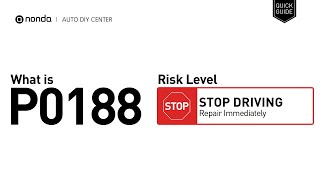
Take it from me, this isn’t one of those codes you want to ignore. That fuel temp reading plays a critical role in how your engine doles out fuel, especially if you’re running a flex-fuel vehicle. If the PCM is getting bad info, you’ll end up with a lousy air-fuel mixture, which can wreck performance, bump up emissions, and even do long-term damage to the engine. I’ve seen hard starting and stalling pop up, too-and that’s dangerous if it happens in traffic. Let a problem like this fester, and you could be looking at damage to the PCM or those pricey fuel injectors. Bottom line? Don’t let this one linger.
Repair steps for P0188 code
Here’s my usual fix-it routine for a P0188:
- Patch up or replace any busted wires or connectors on the fuel temp/composition sensor circuit.
- If the sensor’s readings are junk or it flunks the resistance test, swap it out for a new one.
- Take a look at the intake air temp and ambient temp sensors-if they’re acting up, replace as needed.
- If there’s a PCM software update or reflash available, get it done by the book.
- The PCM itself? Only after you’ve exhausted every other option and are sure it’s the problem.
After you finish repairs, don’t forget to clear the codes and take the car for a shakedown drive. That’s how you know you’ve got it licked.


Conclusion
If you see a P0188, your PCM is basically complaining about a fuel temp reading that’s out of bounds-most times, it’s a sensor or a wiring fault. Don’t drag your feet fixing this one. Left unchecked, it can snowball into bigger issues, especially if you’re running a flex-fuel setup. I always tell folks: start by inspecting wiring and the sensor, look up any TSBs, and test everything before replacing parts. Nine times out of ten, repairing the wiring or popping in a new sensor sorts it out. Handle it promptly, and you’ll keep your ride running strong and reliable.
 4472
4472 6 minutes of reading