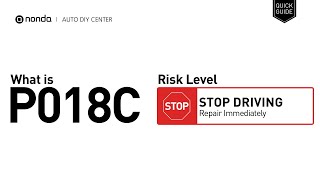
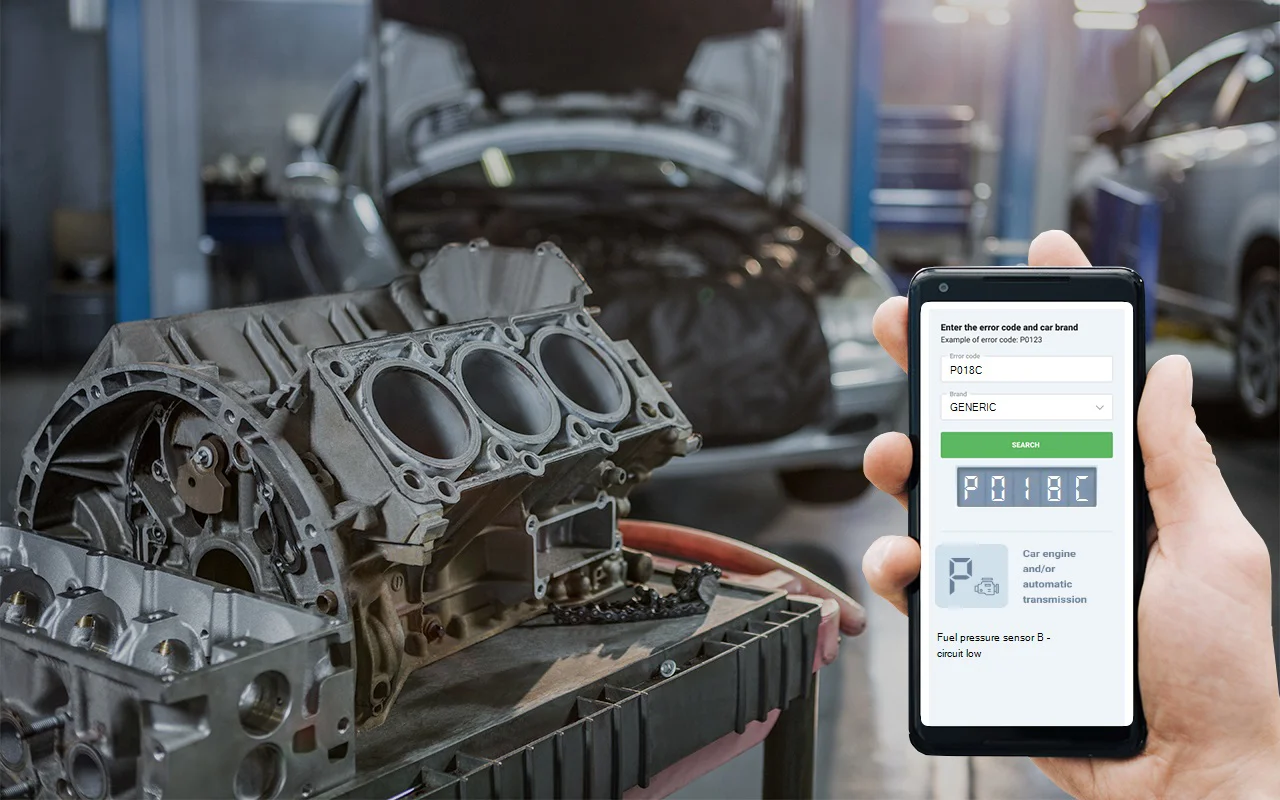
Let me break down what P018C means for you: this code stands for “Fuel Pressure Sensor ‘B’ Circuit Low.” In plain English, your car’s computer (the PCM) is keeping an eye on the fuel pressure sensor, which measures how much pressure is in the fuel rail. This sensor’s job is to send information to the computer so it can adjust the fuel pump and keep your engine running smoothly. If the computer notices that the sensor is sending a lower-than-expected signal, it triggers the check engine light and stores this code. Most modern vehicles use a returnless fuel system, so the sensor is crucial for keeping the right fuel-air mix. If this sensor or its wiring isn’t working right, the engine can’t get the fuel it needs, and that’s when problems start popping up.
DTC P018C
 4067
4067 5 minutes of reading
Causes of dtc P018C
From experience, I can tell you that the P018C code usually comes down to a few main culprits. Here’s what I see most often in the shop:
- A bad fuel pressure sensor - this is the most common cause, hands down.
- Wiring problems - damaged wires, corroded connectors, or loose plugs going to the sensor or PCM can easily trigger this code.
- Fuel pump issues - sometimes the pump itself isn’t delivering enough pressure, which the sensor picks up on.
- Faulty PCM - it’s rare, but sometimes the computer itself can be at fault.
In cases like this, it’s usually the sensor or wiring, but I always check the whole system to be sure.
Symptoms and obd code P018C
If your car has a P018C code, here’s what you’ll probably notice while driving:
- The check engine light will be on - that’s your first clue.
- The engine might run rough or even stall, especially when you’re idling or accelerating.
- You could see your fuel economy take a hit - the car might start using more gas than usual.
These symptoms can sneak up on you, so don’t ignore them if you spot any of these signs.

Diagnosis steps for obd2 code P018C
Here’s how I usually go about diagnosing a P018C code, step by step:
- First, I pop the hood and do a visual inspection. I look closely at the wiring and connectors going to the fuel pressure sensor. I’m checking for frayed wires, corrosion, or anything that looks out of place. Don’t forget to gently tug on the connectors to make sure they’re snug.
- Next, I grab a scan tool and compare the desired fuel pressure (what the computer wants) to the actual fuel pressure (what the sensor is reporting). If there’s a big difference, that’s a red flag.
- With the engine running, I watch the signal voltage from the sensor. Revving the engine should make the voltage change. If it doesn’t, the sensor is likely bad.
- If everything checks out so far, I’ll test the fuel pump to make sure it’s delivering enough pressure. Sometimes you need a mechanical gauge for this step.
- If all else fails, I’ll check the PCM, but honestly, that’s rarely the issue.
It’s best to start with the simple stuff - wiring and connectors - before moving on to the sensor or pump. And if you’re not comfortable with these checks, it’s safer to let a pro handle it.
Common mistakes with P018C trouble code
I’ve seen a lot of folks jump straight to replacing the fuel pressure sensor without checking the wiring first. That’s a surefire way to waste money if the real problem is just a loose connector or a broken wire. Another common mistake is ignoring the fuel pump - if it’s weak, you’ll get the same symptoms. Don’t forget to check for blown fuses or relays in the fuel system circuit, either. Skipping these steps can lead to frustration and unnecessary parts swapping.

Seriousness of P018C engine code
This isn’t something you want to put off. A faulty fuel pressure sensor or related wiring can cause your engine to run poorly, stall, or even leave you stranded. In the worst-case scenario, running with low fuel pressure can damage your fuel injectors or even the catalytic converter if the engine starts running too rich. Honestly, it’s dangerous to ignore this - things can go south quickly if you’re out on the road and your engine cuts out. Don’t take chances with your safety or your car’s health.
Repair options for P018C code
Here’s what usually fixes a P018C code, based on what I see in the field:
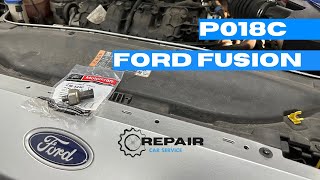
- Replace the fuel pressure sensor if it’s faulty - this is the most common repair.
- Repair or replace any damaged wiring or connectors going to the sensor or PCM.
- If the fuel pump is weak or failing, swap it out for a new one.
- In rare cases, reprogram or replace the PCM if it’s been confirmed as the problem.
Always clear the code and test drive the car after repairs to make sure the fix worked.
Conclusion
To sum it up, P018C means your car’s computer isn’t getting the right signal from the fuel pressure sensor, which can cause rough running, stalling, and poor fuel economy. This is a moderate to high-priority issue - don’t wait to get it checked out. Start with the basics: inspect the wiring and connectors, then move on to the sensor and fuel pump if needed. The most reliable fix is usually replacing the sensor or repairing the wiring. Take care of it promptly to avoid bigger headaches down the road.