When I see a P018D code pop up, I know the vehicle’s computer-your PCM-isn’t happy with what it’s hearing from the fuel pressure sensor’s "B" circuit. Over the years, I’ve run into this code on all sorts of rides, but Dodge and Ram trucks seem to be repeat offenders. Here’s the deal: that fuel pressure sensor is the watchdog of your fuel system. It feeds the engine computer real-time info about the pressure inside the fuel rail, and if that info suddenly goes haywire-usually because the circuit’s open, broken, or shorted-the PCM throws this code to let you know something’s off. The sensor’s usually bolted right onto the fuel rail or line. It’ll have three wires coming out: power, ground, and the all-important signal wire. If anything in this little network goes sideways, your fuel delivery won’t be right, and let me tell you, that can snowball into bigger problems fast. So, when P018D shows up, don’t drag your feet-it needs your attention.
DTC P018D
 3317
3317 6 minutes of reading
Causes of P018D engine code
From experience, the most common reasons I see for a p018d are:
- A faulty fuel pressure sensor. This is often the culprit, especially if the sensor’s been exposed to heat or vibration for a long time.
- Problems with the wiring-like damaged, frayed, or corroded wires, or loose connections at the sensor or PCM. I’ve seen rodents chew through wires, too.
- Issues with the fuel delivery system, such as a weak or failing fuel pump, though this is less common for this specific code.
- A bad PCM (engine computer), but honestly, that’s pretty rare. I always check everything else first before suspecting the PCM.
Most often, it’s either the sensor itself or something simple in the wiring. I recommend starting your checks there.
Symptoms of dtc P018D
Every time this code triggers, the check engine light’s your first clue. In my shop, I’ll usually hear folks complain the engine’s tough to start or, worse, refuses to fire up at all. I’ve seen engines stumble, hesitate, or even shut off unexpectedly. Those symptoms are your car’s way of telling you it’s not getting the right fuel pressure info. Ignore it, and you’ll likely end up with a bigger headache down the line.

Diagnosis with P018D code
Here’s what I usually do when I’m tracking down a p018d:
- Start with a visual inspection. Check the fuel pressure sensor and its wiring for any obvious signs of damage-look for loose connectors, broken wires, or corrosion. Don’t forget to check both ends: at the sensor and at the PCM.
- If everything looks good, I use a digital multimeter to check for the correct reference voltage at the sensor (usually 5 volts with the ignition on). If you don’t see voltage, there could be a break in the wiring or a problem with the PCM.
- Next, I check the ground circuit for continuity. A bad ground can cause all sorts of weird issues, so make sure it’s solid.
- Then, I check the signal wire between the sensor and the PCM for continuity. If there’s an open circuit, you’ll need to trace and repair the break.
- If the wiring checks out, I compare the actual fuel pressure (using a mechanical gauge on the fuel rail) to what the sensor is reporting through a scan tool. If the readings are way off, the sensor is likely bad and needs replacing.
- If both readings are low, the problem might be with the fuel pump or another part of the fuel delivery system, not the sensor itself.
It’s better to have someone assist you if you’re not comfortable with electrical checks, and always double-check your work before moving on to more expensive parts.
Common Mistakes When Repairing P018D trouble code
Let me tell you, a classic mistake I see is folks swapping out the fuel pressure sensor right away, thinking it’s a magic fix. Don’t fall into that trap. Nine times out of ten, the real culprit is a crusty connector, a pinched wire, or a corroded ground. Another one? Skipping over technical service bulletins that might spell out a known issue or updated repair steps. Here’s a pro-tip from the garage: always run through the basics first-verify power, ground, and signal continuity-before you reach for your wallet.

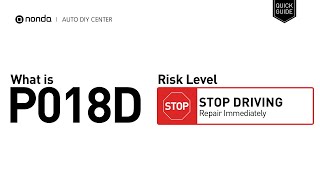
Seriousness of obd code P018D
Take my word for it, you don’t want to let this one slide. When the fuel pressure sensor circuit is acting up, your engine can end up stalling, running rough, or flat-out refusing to start. I’ve seen people get stranded because of it. If the fuel system runs too lean or too rich for long, you could do some real harm to your fuel pump or injectors. Ignoring P018D is playing with fire-it’s just not worth the risk.
Repair Tips for obd2 code P018D
Here’s what’s worked best for me fixing p018d:
- Repair or replace any sketchy wiring or connectors at the fuel pressure sensor or PCM. I can’t stress enough how often a simple fix here does the trick.
- If the sensor fails your tests, toss it and bolt in a new one. Just make sure you’re not masking another issue further down the wire.
- If your fuel pressure is low all around, you may be looking at a tired fuel pump or clogged filter-don’t skip these checks.
- Swapping the PCM is a last resort. Only go there if you’ve ruled out every other possibility, and be sure to confirm it with solid diagnostics.
After any repair, always clear the code and take the car for a test drive. There’s no better proof that your fix worked than a happy engine and no warning lights.
Conclusion
Bottom line: P018D means your ride’s computer isn’t getting the right info from the fuel pressure sensor circuit. That leads to all sorts of driveability headaches if you let it slide. My advice? Start with a thorough inspection-don’t rush. Check every wire, voltage, and ground, and only swap parts once you’re sure they’re toast. Catch it early, fix it right, and you’ll save yourself from a wallet-draining repair or a roadside rescue later.