Causes of dtc P0198
From experience, the most common culprit behind a nissan dtc p0198 is a faulty engine oil temperature sensor itself. But I’ve also seen cases where the wiring to the sensor is damaged-maybe a wire rubbed through or a connector got corroded. In rare situations, the problem can be with the vehicle’s computer (the PCM), but that’s not where I’d start. Here’s what I usually find:
- Bad engine oil temperature sensor
- Broken, shorted, or corroded wiring or connectors to the sensor
- Faulty PCM (very uncommon, but possible)
Symptoms of P0198 code
When this code pops up, the most obvious thing you’ll notice is the check engine light coming on. In most cases, you probably won’t feel any difference in how the car drives right away. But if the sensor is way off, the computer might not manage the engine as well as it should, especially during hard driving or in extreme temperatures. That could mean rough running, poor fuel economy, or even the engine going into a protective mode if things get bad enough.
Common Mistakes when fixing P0198
One thing I see a lot is folks replacing the oil temperature sensor right away without checking the wiring or connector first. That’s a surefire way to waste money if the real problem is a broken wire or corroded terminal. Another mistake is not using the correct specs for the sensor when testing it-different vehicles can have different resistance values. Don’t forget to double-check the basics before moving on to expensive parts.
Repair options for obd code P0198
In cases like this, it’s usually a matter of replacing the faulty oil temperature sensor or repairing the wiring. Here’s what I recommend: first, repair or replace any damaged wiring or connectors you find. If the wiring checks out, swap in a new sensor-make sure it’s the correct part for your vehicle. Clear the code and test drive to make sure it doesn’t come back. Only if the problem persists after all that would I look at the PCM, but honestly, that’s very rare.
Conclusion
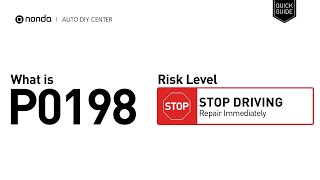
To sum it up, P0198 means your car’s computer isn’t getting the right signal from the oil temperature sensor. It’s a moderate to severe issue that can lead to big engine problems if ignored. I personally recommend starting with a careful inspection of the sensor and its wiring, and replacing the sensor if needed. Don’t wait on this-getting it fixed promptly is the most reliable way to keep your engine safe and running strong.
Video for "Error p0198" on YouTube
The following error codes are often searched for

 5369
5369 5 minutes of reading