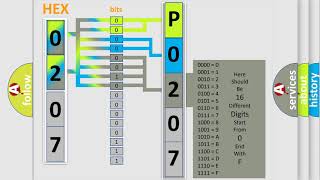
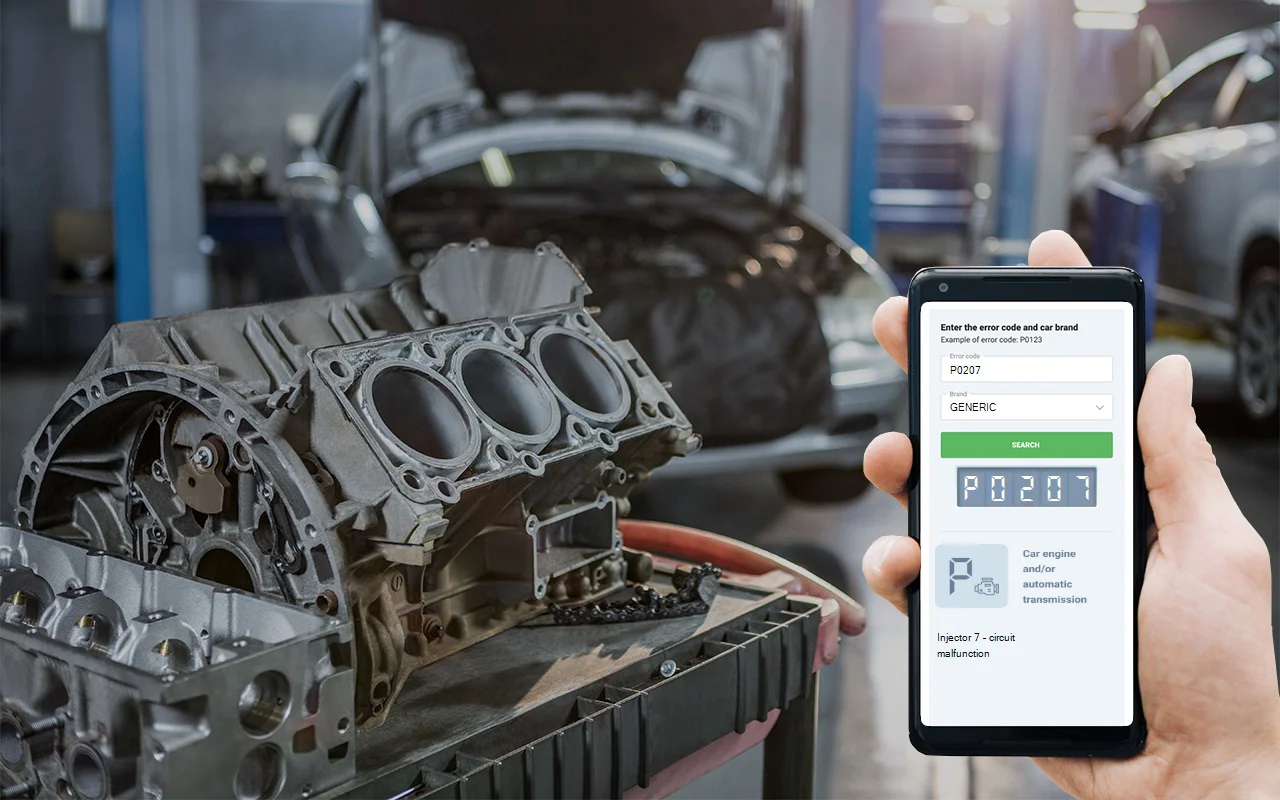
When you see the p0207 code pop up, it’s your vehicle’s PCM (that’s the powertrain control module-the main computer) signaling that something’s up with the fuel injector circuit on cylinder number 7. Now, from years of working on these systems, I can tell you the PCM is always checking the resistance and voltage in each injector’s wiring. If it spots resistance that’s way out of whack-too high, too low-or if the voltage isn’t lining up with what it expects when the injector’s firing or at rest, it’ll set this code. Injectors are the heart of your fuel delivery, all electronically managed these days. So when the wiring, connector, or the injector itself isn’t playing nice, the PCM can’t keep things running as smoothly as it should. Bottom line: p0207 is your car’s way of flagging a hiccup in the injector circuit for cylinder 7, and ignoring it is asking for trouble.
DTC P0207
 6211
6211 5 minutes of reading
Causes of P0207 trouble code
From what I see most often in the shop, the p0207 code usually comes down to a few main culprits. Here’s what tends to trigger it:
- Wiring issues-like damaged, corroded, or loose wires or connectors going to the #7 injector. This is the most common cause in my experience.
- A bad fuel injector itself-sometimes the injector just fails electrically and can’t do its job.
- Less commonly, a malfunctioning powertrain control module (PCM)-the computer that manages the injectors-can be the source.
In cases like this, it’s usually a wiring or connector issue, but I always check the injector itself too, just to be sure.
Symptoms and dtc P0207
If you’re driving around with a p0207 code active, you’ll probably notice a few things aren’t quite right. Most folks report the engine running rough, especially at idle or when accelerating. You might feel a misfire or a sort of stumbling sensation. Another big clue is poor fuel economy-you’ll find yourself filling up more often. Sometimes, the check engine light is the only sign, but honestly, if the injector isn’t working right, the engine just won’t feel as smooth or responsive as it should.

Diagnosis steps for P0207 code
Here’s how I tackle a p0207 code, step by step, and you can follow along if you’re comfortable with some basic tools. First, I always start with the simple stuff: pop the hood and inspect the wiring and connector going to injector #7. Look for any obvious damage, corrosion, or loose connections. Sometimes just wiggling the connector can reveal a bad contact. Next, I use a multimeter to check for proper voltage at the injector connector with the ignition on. If the wiring looks good, I’ll test the injector’s resistance (ohms) with the engine off-compare it to the specs in your repair manual. If the resistance is way off, that injector is likely bad. If both wiring and injector check out, I’ll move on to checking for injector pulse using a noid light or a test light while cranking the engine. No pulse? That could mean a PCM issue or a break in the wiring further up. It’s best to have someone assist you with these checks, especially when cranking the engine. And don’t forget to double-check the fuse for the injector circuit before diving deeper.
Common Mistakes when resolving P0207
I’ve seen a lot of folks jump straight to replacing the injector without checking the wiring first. That’s a surefire way to waste money if the real problem is just a loose connector or a broken wire. Another common mistake is skipping the resistance test on the injector-sometimes it looks fine on the outside but is bad internally. Also, don’t overlook the PCM or the fuse; I’ve seen cases where a blown fuse or a rare PCM fault was the real culprit. Always work methodically and don’t skip steps.

Seriousness of P0207 engine code
This isn’t something you want to ignore. A faulty injector circuit means one cylinder isn’t getting the right amount of fuel, which can lead to rough running, poor fuel economy, and even damage to the catalytic converter if unburned fuel gets through. Over time, you could end up with bigger repair bills-like needing a new catalytic converter or even engine damage from prolonged misfires. Honestly, it’s dangerous to let this slide, especially if you notice the engine running rough or losing power. Things can go south quickly if overlooked.
Repair guide for obd2 code P0207
Once you’ve pinpointed the problem, here’s what usually fixes it: If it’s a wiring or connector issue, repair or replace the damaged section and make sure the connection is solid and corrosion-free. If the injector itself is bad, swap it out with a new or known-good one. In rare cases where the PCM is at fault, it may need reprogramming or replacement, but that’s not common. Always clear the code after repairs and take the car for a test drive to make sure everything’s back to normal. I personally recommend double-checking your work before buttoning everything up, just to be sure you’ve got it fixed for good.
Conclusion
To sum it up, p0207 means your car’s computer has spotted a problem with the injector circuit for cylinder 7, usually caused by wiring issues or a bad injector. Don’t put this off-left unchecked, it can lead to bigger headaches and costly repairs. The best way forward is to start with a careful inspection of the wiring and connector, then test the injector itself. Fix what you find, clear the code, and confirm the repair with a test drive. That’s the most reliable way to get your engine running smoothly again and avoid further trouble down the road.