
Causes of P020B Trouble Code
From experience, the most common reasons for a P020B code are usually tied to electrical or mechanical issues in the injector circuit for cylinder two. Here’s what I see most often:
- A faulty fuel injector solenoid for cylinder two-this is a big one.
- Broken, shorted, or corroded wiring or connectors in the injector’s control circuit.
- A bad fuel injector itself (not just the solenoid).
- Problems with the engine’s timing components, like the camshaft or crankshaft position sensors, or even the timing mechanism itself.
- Issues with the high-pressure fuel system, such as leaks or failing components.
It’s worth noting that sometimes, a problem elsewhere-like a sensor fault-can trigger this code, so it’s important to check everything thoroughly.
Symptoms Associated with P020B Code
If you’re dealing with P020B, you’ll almost always notice the engine isn’t behaving as it should. Over the years, these are the symptoms I’ve seen drivers mention the most:
- Misfires, stumbling, or hesitation-especially when you’re asking for some power.
- That gutless, sluggish feeling under the hood. The engine just doesn’t have its usual pep.
- Sometimes you’ll catch a strong whiff of diesel, usually because unburned fuel isn’t getting where it’s supposed to go.
- Your wallet takes a hit too, since poor injection timing will almost always kill your fuel mileage.
The check engine light doesn’t always come on right away with this code; sometimes it takes a few trips before you see it light up. Don’t let that lull you into ignoring the problem, though.

Diagnosis Steps for P020B
Here’s how I’ve learned to approach a P020B diagnosis-trust me, a methodical approach will save you headaches. First, always start simple:
- Begin by checking the high-pressure fuel system and all related wiring harnesses. Look for obvious stuff: fuel leaks, damaged wires, loose or corroded connectors. I can’t tell you how many times a barely-seated plug has been the culprit.
- Next, dig up any technical service bulletins (TSBs) for your vehicle and this code. Sometimes the factory’s already seen this issue and has a fix or update ready to go.
- Hook up a scan tool to pull all stored codes and freeze frame data. This tells you exactly what was happening when the code tripped. I always clear the codes, then take the car for a spin to see if it comes back.
- If you see any codes for crankshaft or camshaft sensors, handle those first. Faulty readings from those sensors can throw off your injector timing and cause this exact code.
- When the code returns, grab a digital volt/ohm meter (DVOM) and check the injector solenoid for cylinder two. Compare your readings with the manufacturer’s specs. Out of spec? Time to replace that solenoid or injector.
- If the solenoid checks out, unplug the injector controller and use your DVOM to test the wiring for shorts or opens. Any wire that doesn’t test right needs to be fixed or swapped out.
- When everything electrical checks out, that’s when I start hunting for mechanical problems-timing system issues or high-pressure fuel leaks. These are trickier and sometimes need specialized tools to track down.
Pro-tip: get a buddy to help with some of these tests, especially when you need eyes on the wiring while the engine’s running. And never, ever loosen high-pressure diesel fuel lines while the engine’s running. Those pressures can be dangerous.
Common Mistakes When Fixing DTC P020B
A classic mistake I see is folks tossing in a new injector right away, without checking the wiring or connectors first. That’s an expensive guess. Ignoring other codes-especially ones for crank or cam sensors-is another misstep. Those sensors can be the actual source of your headache. Skipping a good old-fashioned visual inspection will send you chasing your tail, too. And don’t forget to search for TSBs-sometimes the fix is easier than you’d think if there’s a known issue already documented.

Seriousness of OBD2 Code P020B
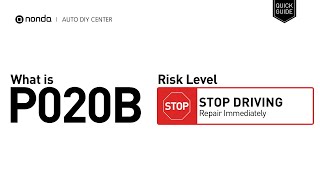
I’ll be blunt: this is not a code you can safely ignore. Problems with high-pressure fuel injection don’t just make your engine run rough-they can spiral into major misfires, loss of power, or even serious internal engine damage if left unchecked. I’ve seen neglected timing issues take out injectors, high-pressure pumps, pistons, and valves-none of which are cheap. Plus, a diesel fuel leak is a fire hazard you absolutely don’t want in your engine bay. Get on top of this one before it snowballs.
Repair Solutions for P020B Engine Code
When it comes to fixing P020B, here’s what’s proven reliable in my shop:
- Swap out a bad injector solenoid or the whole injector for cylinder two if it fails your tests.
- Repair or replace any damaged wiring or connectors in the injector’s circuit. Don’t just patch it and hope for the best-make sure the fix is solid.
- Replace faulty crankshaft or camshaft position sensors if those readings are off.
- If you find timing issues, fix or replace worn components. Timing is everything on these engines.
- Address any leaks or faulty parts in the high-pressure fuel system. These systems can’t afford even a little slop.
After making repairs, I always clear the codes and take the rig for a solid test drive. If the code stays gone and everything runs smooth, you’ve nailed it.


Conclusion
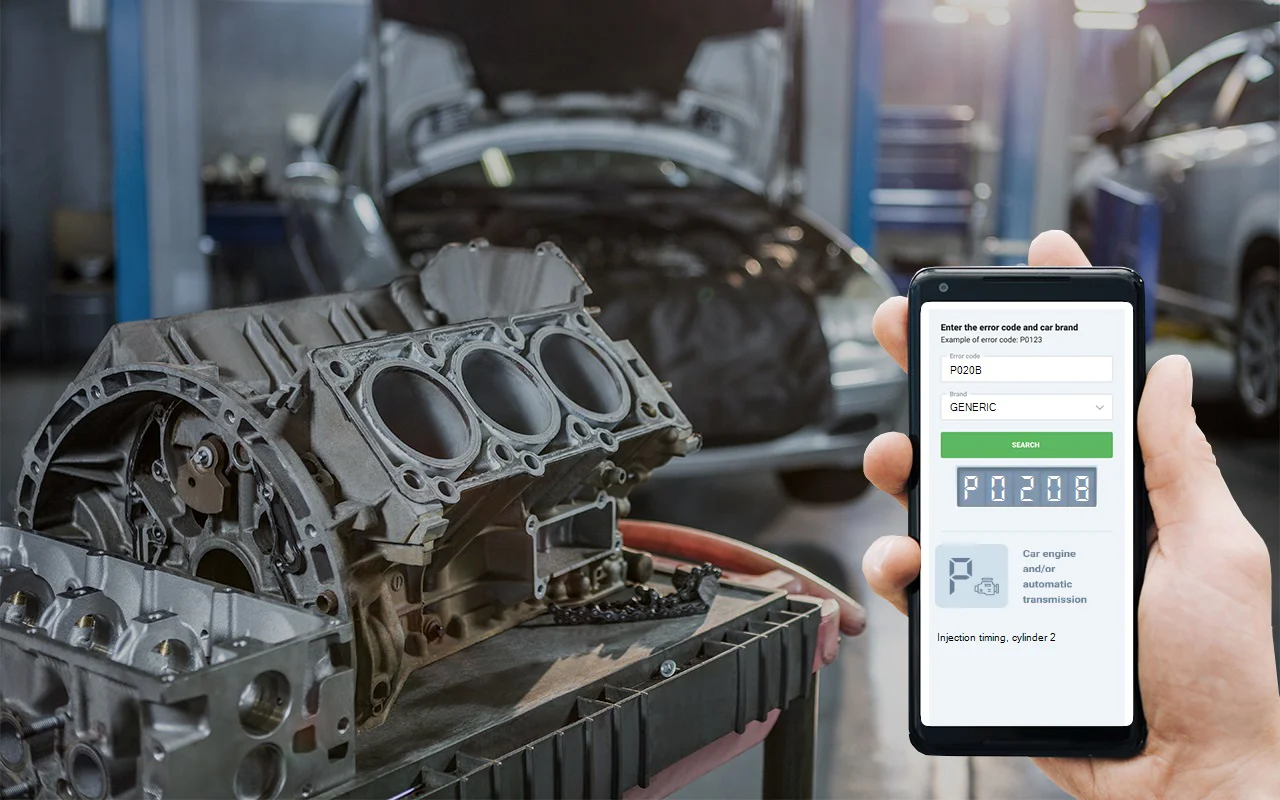
Bottom line? P020B means your PCM is seeing an issue with injector timing on cylinder two-usually on diesel engines running high-pressure fuel. Don’t wait on this one; it can turn into a much bigger headache if ignored. Start with the basics: double-check wiring, connectors, and the sensors that keep timing in check. If those are good, move on to the more serious stuff. Tackling it step-by-step is the surest way to get your ride back on the road, running strong and safe.
 5631
 6 minutes of reading