
Causes of obd2 code P020D
From experience, the most common reasons I see for a P020D code are:
- A faulty fuel injector solenoid for cylinder four. This is often the main culprit.
- Broken, shorted, or corroded wiring or connectors in the injector circuit. Even a small wiring issue can throw off the timing.
- A bad fuel injector itself, not just the solenoid.
- Problems with the engine’s timing components, like the camshaft or crankshaft position sensors, or their circuits.
- Internal mechanical issues with the engine’s timing system.
In my shop, wiring and connector issues are surprisingly common, so don’t overlook those simple things before jumping to bigger repairs.
Symptoms associated with P020D code
When this code is active, you’ll probably notice some clear signs. Most drivers report the engine running rough, especially at idle or under load. You might feel the engine misfire, stumble, or hesitate. There’s usually a noticeable drop in power, and sometimes you’ll smell raw diesel fuel-especially if there’s a leak or the injector is stuck open. Fuel economy often takes a hit too. If you see the check engine light and your diesel just doesn’t feel right, this code could be the reason.

Diagnosis process for P020D trouble code
Here’s how I usually tackle a P020D code, step by step:
- First, I always start with a good visual inspection. Look closely at the wiring and connectors going to the fuel injectors, especially cylinder four. Check for any signs of rubbing, corrosion, or loose connections. Don’t forget to look for any fuel leaks around the injector area-diesel leaks are a big red flag.
- Next, I recommend checking for any Technical Service Bulletins (TSBs) related to your vehicle and this code. Sometimes, manufacturers release updates or known fixes that can save you a lot of time.
- Then, I hook up a scan tool and pull all stored trouble codes and freeze frame data. This info can help pinpoint when and how the problem started. Clear the codes, take the vehicle for a test drive, and see if the code comes back.
- If you get codes for the crankshaft or camshaft position sensors, deal with those first-they can cause injector timing issues.
- If the code returns, I use a digital volt/ohm meter (DVOM) to test the injector solenoid for cylinder four. Compare your readings to the manufacturer’s specs. If it’s out of range, replace the injector or solenoid.
- If the injector checks out, disconnect the PCM or injector controller and use the DVOM to check the wiring harness for shorts or open circuits. Repair or replace any wiring that doesn’t meet spec.
- After any repairs, clear the codes again and drive the vehicle until the PCM completes its self-check. If the code stays gone, you’re in the clear. If it comes back, there’s still an issue to track down.
It’s best to have someone assist you during these checks, especially when inspecting wiring or running the scan tool during a test drive.
Common mistakes when fixing obd code P020D
One thing I see a lot is folks jumping straight to replacing the fuel injector without checking the wiring or connectors first. That’s a surefire way to waste money and time. Another common mistake is ignoring related codes for the crankshaft or camshaft sensors-these can absolutely cause injector timing problems. Skipping the visual inspection or not checking for TSBs can also lead you down the wrong path. Always start simple and work your way up.

Seriousness of dtc P020D issues
This is not a code you want to ignore. Problems with high-pressure diesel injection can quickly lead to bigger issues-like raw fuel washing down cylinder walls, damaging the engine, or even causing a fire if there’s a leak. You could end up with severe engine damage, failed injectors, or a no-start condition. Honestly, things can go south quickly if overlooked. For your safety and to avoid a costly repair bill, don’t put this off for later.
Repair steps for P020D engine code
Here’s what I typically do to fix a P020D code:
- Repair or replace any damaged wiring or connectors in the injector circuit for cylinder four.
- Replace the fuel injector or solenoid if it’s out of spec or faulty.
- Address any issues with the camshaft or crankshaft position sensors and their circuits.
- Fix any mechanical timing problems if found during diagnosis.
- Clear all codes and test drive to confirm the repair.
Always follow the manufacturer’s procedures and specs-diesel fuel systems are no place for guesswork.

Conclusion
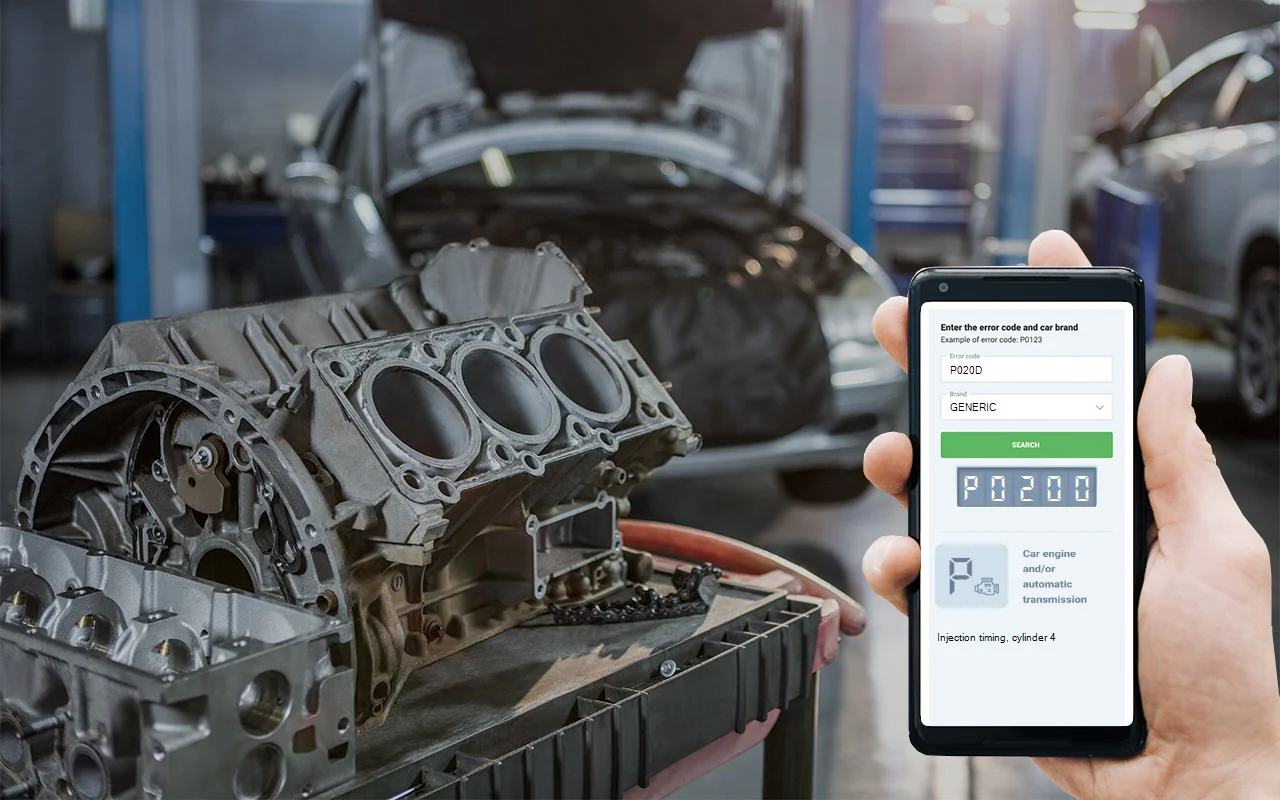
To sum up, P020D means there’s a problem with the fuel injector timing circuit for cylinder four-usually in a diesel engine. It’s a high-priority issue that can lead to serious engine damage or safety risks if ignored. The best approach is to start with a careful inspection of wiring and connectors, check for related sensor codes, and test the injector and its circuit before replacing parts. Acting quickly and methodically is the most reliable way to get your diesel running right again and avoid bigger headaches down the road.
 4787
 5 minutes of reading