
Causes of obd2 code P021A
After years of wrenching on diesels, I can tell you the usual suspects behind a P021A code are pretty consistent:
- Most often, it’s a faulty fuel injector solenoid for cylinder 7. That’s the one I check first every time.
- Another common culprit? Wiring issues-broken, shorted, or corroded connectors in the injector circuit can throw this code just as easily.
- Sometimes, the injector itself just gives up the ghost.
- I’ve also run into timing problems-stretched chains or worn gears can mess with injector timing.
- Last but not least, don’t overlook those crankshaft or camshaft position sensors, or their wiring. If they’re not sending the right signals, everything else goes out of sync.
From my experience, electrical gremlins or a dead solenoid top the list. But don’t rule out a timing or sensor issue; I’ve seen more than one tech chase their tail by overlooking the basics.
Symptoms of P021A trouble code
When this code pops up, you’ll probably feel it before you see it. Expect the engine to misfire, stumble, or hesitate when you hit the throttle. I’ve had customers complain about a raw diesel smell-usually a dead giveaway that fuel isn’t burning right. You’ll notice you’re filling up more often, too, because your fuel economy takes a nosedive. Sometimes the check engine light waits to show up, but in my shop, folks usually come in saying, ‘My truck just doesn’t feel right,’ and they’re spot on.

Diagnosis steps for P021A engine code
If you want to track down a P021A code, here’s the process I’ve honed over the years:
- Start with your eyes. Grab a flashlight and check the high-pressure fuel system, paying close attention to the wiring and connectors for cylinder 7’s injector. Look for anything out of place-fuel leaks, frayed wires, loose plugs. I can’t tell you how many times a simple chafed wire was the culprit.
- Always check for technical service bulletins (TSBs) tied to your ride and this code. Manufacturers sometimes have quick fixes or known problems.
- Next, plug in a scan tool. Pull not just the P021A, but any other stored codes and freeze-frame data. Those details often point you right to the problem’s root.
- Clear the codes and take her for a spin. If the code comes back, you know you’re dealing with an active issue.
- If you see any codes for crankshaft or camshaft sensors, fix those first. Trust me, those sensors are the backbone of timing-if they’re off, nothing else will work right.
- Still stuck with P021A? Time to break out a digital volt/ohm meter. Check the injector solenoid for cylinder 7 and match your readings to factory specs. Out of range? You’ve found your problem.
- If the solenoid passes, disconnect the controller and use your meter to hunt for shorts or open circuits in the wiring. Anything that doesn’t match specs needs to be repaired or replaced.
- Once you’ve repaired what you found, clear the codes again and take another test drive. If that code stays gone, you’re golden. If not, keep digging-at that point, I focus on timing components or possible leaks in the high-pressure fuel system.
Don’t go it alone if you’re unsure about working with high-pressure diesel-these systems pack a punch. And always, always double-check your work against the specs in your service manual.
Common mistakes when fixing obd code P021A
A classic mistake I see-folks throw a new injector at the problem without checking the wiring or connectors first. Sometimes all that’s wrong is a loose plug or a wire that’s gotten hot and brittle. Another misstep? Ignoring codes for crankshaft or cam sensors. Those need fixing before you waste time on injector timing. Skipping the visual inspection is another one-you’d be surprised how often a visible leak or damaged connector is staring you in the face. And don’t forget to check for TSBs; I’ve saved customers a bundle just by following a bulletin the dealer put out.

How serious is dtc P021A
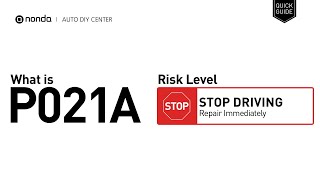
Let me be blunt-this one’s serious. Issues with high-pressure fuel injection aren’t something you can put off until next weekend. Misfires, loss of power, and raw diesel slipping into the exhaust can destroy pricey components like the catalytic converter or diesel particulate filter. Ignore it, and you’re gambling with major engine damage-or finding yourself stranded when you least expect it. With today’s diesel pressures, things can go sideways fast. If you see this code, don’t wait around.
Repair solutions for P021A
Here’s how I tackle a P021A repair in the shop:
- First, fix any damaged wiring or connectors in the injector circuit for cylinder 7. That alone has solved more cases than I can count.
- If the injector solenoid or the whole injector is out of spec, swap it out.
- If I’ve found trouble with the crankshaft or camshaft sensors-or their wiring-I fix those before moving on.
- Any issues with timing components get addressed right away. Chains, gears, tensioners-anything worn or out of sync needs attention.
- If I spot leaks or faults in the high-pressure fuel system, those get fixed before I button things up.
Once repairs are done, I always clear the codes and take the vehicle for a solid road test. If the light stays off and everything runs smooth, I know the job’s done right.



Conclusion
Bottom line? When you see P021A, your engine’s telling you there’s trouble with injector timing on cylinder 7-usually in a diesel setup. This isn’t something to push aside; left unchecked, it’ll snowball into bigger, costlier headaches. Start with a thorough visual check, look for related sensor codes, and test the injector and wiring before you start swapping parts. Move fast, follow the right steps, and you’ll save yourself a world of grief-and get your rig back to running like it should.
 6411
 6 minutes of reading