
Common Causes of P021E
From my time under the hood, the most frequent culprits behind a p021e code usually trace back to the injector or its wiring harness. Here’s what I see tripping folks up most often:
- A faulty injector solenoid in cylinder eleven-these can go bad, especially on higher-mileage rigs
- Wiring issues: broken, corroded, or shorted wires and plugs leading to the injector
- A failed injector, plain and simple
- Trouble with the engine’s timing gear or chain-don’t overlook these if you’ve had any strange noises or recent timing work
- Crankshaft or camshaft position sensors throwing off the PCM’s ability to time the injection event
I can’t tell you how many times I’ve found more than one issue at once, especially on trucks that have seen rough roads or high mileage. It pays to check everything on that list before jumping to conclusions.
Typical Symptoms of P021E Engine Code
When P021E is active, your engine just won’t act right. Here’s what I’ve noticed most drivers complain about:
- Misfires, stumbles, or hesitation-especially when you’re putting your foot down
- Noticeable loss of power or sluggish acceleration
- That telltale diesel smell-sometimes a lot stronger than normal
- Your fuel mileage dropping off faster than you’d expect
Sometimes that check engine light jumps on right away, but I’ve seen it take a few trips before the warning shows up. If you’re dealing with any of these issues, don’t ignore them-it’s your engine’s way of asking for help.

Steps for Diagnosing a P021E Trouble Code
If a rig rolls into my bay with a p021e, here’s how I get started-and if you’re handy, you can tackle some of this yourself. First up: a thorough visual check. Get in there and inspect the wiring and connectors for cylinder eleven’s injector. Look for cracked insulation, green corrosion, loose plugs, or spots where wires might have rubbed through. Always scan for any signs of diesel leaks around the high-pressure lines or at the injector itself. Next, here’s a pro-tip from the garage: before you start tearing things apart, check for technical service bulletins (TSBs). Manufacturers sometimes know about these issues and have fixes on file. Then, grab a scan tool and pull all stored trouble codes, plus freeze-frame data. Take notes, clear the codes, and give the truck a good test drive to see what comes back. If there are codes for crank or cam sensors, fix those first-they can throw off the fuel timing and trigger false injector codes. When the code returns, I’ll grab my digital volt/ohm meter and check the injector solenoid’s resistance-if it’s out of spec, swap it out. If the solenoid is fine, start tracing the wiring from the PCM to the injector. Any resistance or continuity issue means that wire needs repair or replacement. If all the electricals check out, but the code is still there, you might be staring down a mechanical timing problem or an issue with the high-pressure fuel system. At that stage, unless you’re well-versed in diesel systems, it’s time to let a pro handle it-those high pressures are nothing to mess with.
Avoiding Common Mistakes with OBD Code P021E
One classic mistake I see with p021e is folks swapping out injectors right away-don’t do it! Many times, it’s just a corroded connector or frayed wire. Another pitfall is ignoring related sensor codes, especially for crank and cam position sensors-they can trigger this code and send you on a wild goose chase. Skipping the basics, like a thorough visual once-over or forgetting to look for TSBs, is another way to waste time and cash. Always check the simple stuff first before you reach for your wallet.

How Serious Is a P021E Code
Let me be blunt: don’t mess around with this one. Issues in the high-pressure fuel system can escalate quickly-think severe misfires, sudden power loss, or even internal engine damage if you ignore it. And don’t forget the real danger of fuel leaks, which are a fire risk you definitely don’t want. If you keep driving with a P021E, you risk taking out the injector, high-pressure fuel pump, and even causing piston or valve damage if misfires keep up. My advice? Get this sorted right away. High-pressure diesel fuel isn’t something to take lightly.
Repair Steps for DTC P021E
Most fixes I’ve performed for this code usually fall into one of these categories:
- Repairing or swapping out damaged wiring or connectors in the injector circuit
- Replacing the faulty injector solenoid or the entire injector for number eleven
- Changing out a bad crankshaft or camshaft sensor
- Tackling mechanical timing issues-maybe a stretched chain or worn gear
- Clearing the codes and giving it a solid test drive to make sure it’s fixed
After any repair, always clear the codes and put some miles on the truck so the PCM can retest everything. No codes after that? You’re good. Still seeing P021E? Time to dig deeper.


Conclusion
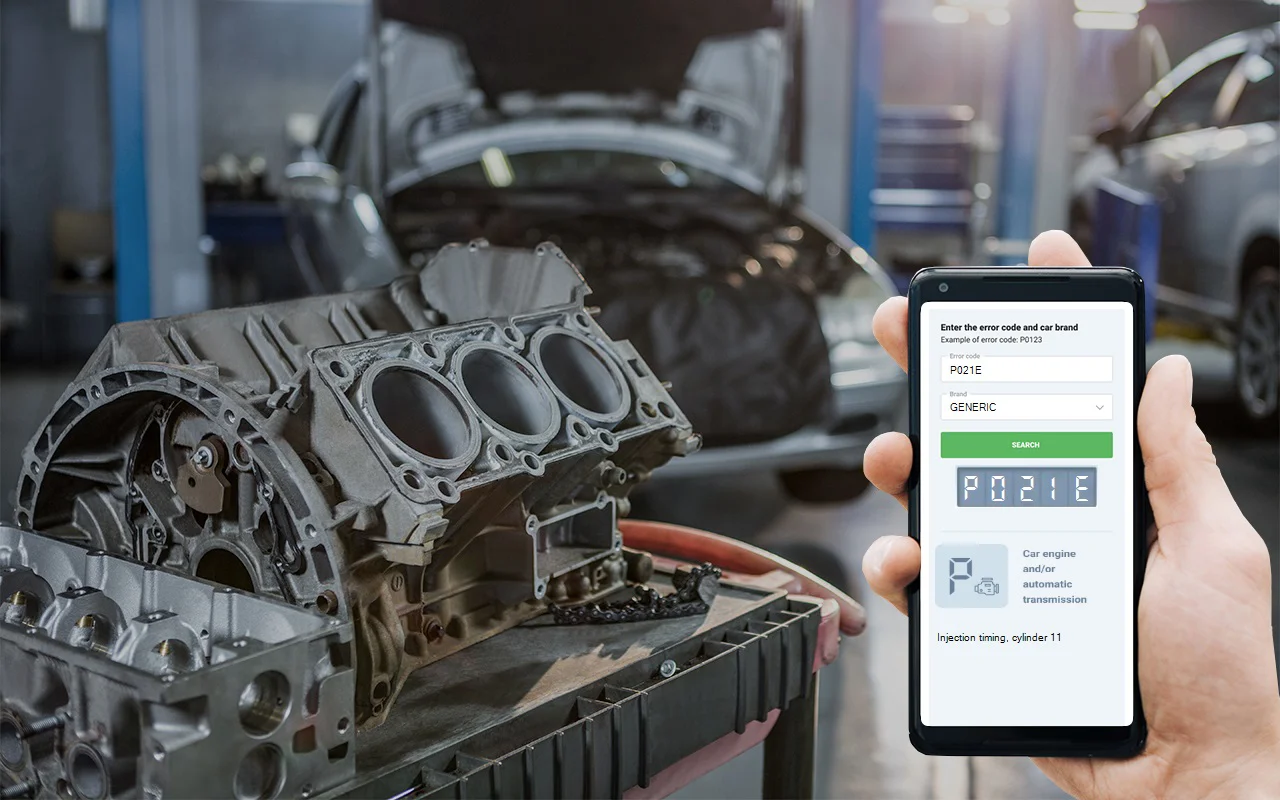
At the end of the day, P021E means your engine’s PCM has picked up on a fuel injection timing issue for cylinder eleven-almost always on a high-pressure diesel. You don’t want to let this one sit, since it can go from a minor annoyance to a big, expensive problem (or even a safety risk) in no time. My advice? Start with a careful look at the wiring and connectors, check for any related codes, and save the big-ticket parts for last if the basics come up clean. Nine times out of ten, I’ve found the fix to be a wiring problem or a bad injector, but you have to go through the steps to be sure. Don’t put this off-your safety and your engine’s life depend on it.
 6234
6234 6 minutes of reading