
Causes of P0225 code
From my time in the shop, these are the issues I run into most when dealing with a P0225 code:
- A faulty throttle position sensor (TPS)-hands down, this is the most frequent offender.
- Corroded or damaged connectors at the TPS or MAP sensor-road salt and moisture love to sneak in and wreak havoc here.
- Problems with the wiring harness, like wires that are broken or rubbed raw from years of vibration.
- A sticky throttle return spring, which can stop the throttle plate from closing all the way.
- Once in a blue moon, a bad PCM is the culprit, but honestly, I wouldn’t start there unless everything else checks out.
In most cases, you’re looking at a sensor or wiring headache, not a computer failure.
Symptoms of obd code P0225
Here’s what usually tips drivers off that something’s wrong when P0225 shows up:
- The check engine light (MIL) comes on-sometimes that’s the only heads-up you’ll get at first.
- The engine might idle rough or even misfire, especially when you’re sitting still or cruising down the highway.
- Keeping the engine running at idle can turn into a real chore-it might stall or flat-out refuse to idle.
- Every now and then, you’ll get it started, only for it to die almost immediately.
From what I’ve seen, sometimes the symptoms are just a nuisance, and other times the car becomes barely drivable-it all depends on how bad the TPS signal problem is.

Diagnosis steps for dtc P0225
When I’m tracking down a P0225, here’s the game plan I stick to:
- Start with the basics: take a good look at the connectors for the TPS and MAP sensors. Loose, dirty, or corroded terminals stick out like a sore thumb and can save you hours if you spot them early.
- With the engine idling, gently wiggle the wiring harness. If the engine coughs, stumbles, or the idle changes, you’ve likely uncovered a wiring problem.
- Key on, engine off-grab your scan tool or a digital voltmeter and watch the TPS signal. You want to see about 0.45 volts with the throttle closed, rising smoothly up to 4.5-5 volts as you work the pedal. If the voltage jumps around, skips, or gets stuck, you’re probably staring at a bad sensor.
- If your readings are way off, unplug the TPS and check the connector for a proper 5-volt reference and a solid ground. If either is missing, you’ve got a wiring or PCM issue to chase down.
- If both the sensor and wiring check out but the code won’t clear, then-and only then-do I start thinking about the PCM as the suspect. But let me tell you, that’s rare.
Here’s a pro tip: have someone help you work the pedal while you watch the readings. And don’t skip verifying both the sensor and wiring-it saves you from throwing good money after bad parts.
Common Mistakes when fixing P0225 trouble code
A classic mistake I see-folks swap in a new TPS right away without checking the wiring or connectors. That’s a quick way to empty your wallet for no reason. Another thing people miss is the corrosion hiding inside the connectors. Just a little green crud can cause a lot of headaches. Guessing at the problem and skipping the voltage test? That’s a recipe for frustration. Always check the simple stuff first before shelling out for new parts.

Seriousness of obd2 code P0225
Don’t shrug this one off. A TPS sending bad info can really mess with your engine’s fuel delivery and timing. You could wind up with stalling, hesitation, or-worst case-a sudden loss of power, which is no joke if you’re in traffic. Letting this slide could even damage your catalytic converter from misfires, or put extra wear on the transmission. Bottom line: get on top of this quickly, or you might be looking at bigger (and pricier) problems down the road.
Repair solutions for P0225
From real-world fixes I’ve done, here’s what gets the job done when it comes to P0225:
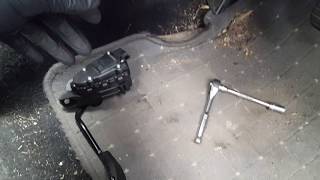
- Swap out the throttle position sensor if it flunks the voltage test or you catch it sending jumpy readings.
- Clean or repair any connectors at the TPS or MAP sensors that show signs of corrosion or damage.
- Patch up or replace any bad wiring going to the sensor-don’t cut corners here.
- If you find the throttle return spring sticking, lubricate it or replace it as needed.
- Only after ruling out everything else should you even consider replacing the PCM. That’s almost never the first move.
After you wrap up repairs, clear the code and take the car for a test drive. If the code stays gone and the symptoms are gone, you’re golden.


Conclusion
Here’s the bottom line, straight from the shop floor: P0225 means your car’s computer isn’t happy with the signal it’s getting from the throttle position sensor circuit. That can mean anything from a simple check engine light to your car running rough or stalling out. The smart play is to get after this quickly-start with the easy stuff like checking the sensor, connectors, and wiring. Nine times out of ten, a new sensor or a wiring fix sorts it out. Don’t roll the dice by ignoring it-the risks just aren’t worth it. The best way to nail down the fix is to check each part of the circuit one by one, knock out any issues you find, and finish up with a test drive to make sure your repair holds up.

 3766
3766 6 minutes of reading