Causes and obd code P0237 issues
From what I’ve seen in the shop and what the official manuals say, there are a handful of usual suspects when it comes to p0237. Most often the issue is with the boost sensor itself-it can fail or get gummed up. But I’ve also run into cases where the turbocharger isn’t working right, or there’s an exhaust leak messing with the pressure readings. Sometimes, it’s as simple as a wiring problem, like a broken wire or a bad connection. And, though it’s rare, the car’s computer (PCM) can be at fault. Here’s what I typically look for:
- Faulty boost sensor “A” (MAP/boost pressure sensor)
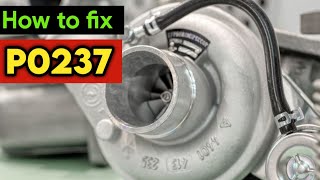
- Turbocharger problems (not building pressure)
- Exhaust leaks before the turbo
- Wiring issues (damaged wires, loose connectors)
- PCM failure (very uncommon, but possible)
Symptoms associated with the P0237 code
If you’re driving around with a dtc p0237, you’ll probably notice a few things. The check engine light will almost always come on first. From experience, I can say you might feel the car is sluggish-like it just doesn’t have the power it used to, especially when you try to accelerate. Some folks notice they’re burning through more fuel than usual. And if you’re used to hearing or feeling the turbo kick in, you might notice that’s missing too. In short, the car just feels off and less responsive.

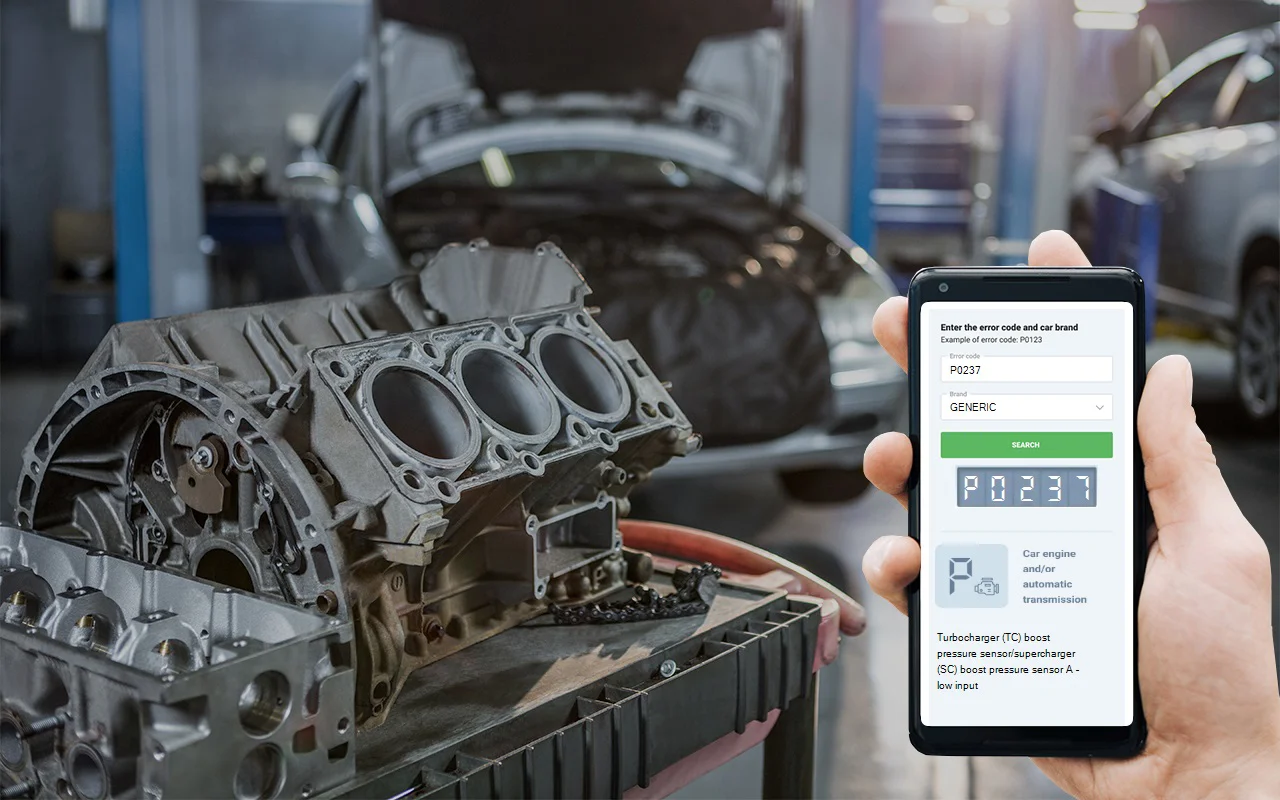
Common mistakes when addressing the P0237 trouble code
One thing I see a lot is folks jumping straight to replacing the boost sensor without checking the wiring or connectors first. That’s a surefire way to waste money. Another common mistake is overlooking small exhaust leaks-they can be tricky to spot but make a big difference. Sometimes, people forget to check for software updates or TSBs related to this code, which can save a lot of time if there’s a known issue. Always make sure to inspect the simple stuff before moving on to expensive parts.

Repair options for obd2 code P0237
In cases like this, it’s usually a matter of replacing the faulty boost sensor, repairing any damaged wiring, or fixing leaks in the exhaust system. Sometimes, cleaning the sensor connector or tightening up a loose plug is all it takes. If the turbocharger itself is the issue, that’s a bigger job and might mean a rebuild or replacement. I personally recommend always double-checking the wiring and connectors before buying any new parts. If you’re not comfortable with these repairs, it’s best to have a professional handle it, especially when it comes to the turbo system.
Conclusion
To sum it up, P0237 means your car’s computer isn’t seeing the boost pressure it expects, usually because of a sensor, wiring, or turbo problem. It’s a moderate to high priority-don’t ignore it, because it can lead to bigger issues and expensive repairs down the road. The most reliable way to fix it is to start with simple checks-wiring, connectors, and hoses-then move on to the sensor and turbo if needed. Acting quickly is the best way to keep your car running safely and efficiently.
Video for "Error p0237" on YouTube
The following error codes are often searched for

 4902
4902 5 minutes of reading