
Causes of P023C code
From experience, I can tell you there are a handful of usual suspects when it comes to P023C. Most often the issue is:
- A mechanical blockage inside the intercooler coolant pump-something’s stuck or jammed, stopping it from working right.
- Broken, damaged, or melted wiring going to the pump-heat from the engine bay can do a number on these wires over time.
- Problems with the connectors-think corrosion, loose pins, or a broken locking tab that keeps the plug from staying tight.
- In rare cases, a fault inside the engine control module (ECM) itself.
Honestly, electrical and mechanical failures are about equally likely here, so it’s important to check both sides.
Symptoms of P023C engine code
If you’re driving around with a P023C code active, here’s what you might notice:
- The check engine light (MIL) will be on-that’s usually the first sign for most folks.
- You might feel the engine running rough or not as strong as usual, especially when you’re accelerating hard.
- Fuel economy can take a hit, so you’ll notice you’re filling up more often.
- Sometimes, the engine temperature might act up or seem a bit off, especially under heavy load or hot weather.
In some cases, you might not feel much at all right away, but the warning light is your cue that something’s not right under the hood.

Diagnosis steps for dtc P023C
Here’s how I usually go about diagnosing this code, step by step:
- First, I always check for any technical service bulletins (TSBs) for your specific make and model. Sometimes the manufacturer already knows about a common issue and has a fix.
- Next, I locate the intercooler and trace the coolant lines to find the pump. These pumps are often tucked away, so it helps to have a good look around the front of the engine bay or under the bumper.
- Before touching anything, let the engine cool down-coolant systems can get dangerously hot.
- I inspect the wiring and connectors around the pump for any signs of melting, corrosion, or damage. Don’t forget to check the harness all the way back to the ECM if you can.
- Then, I check the coolant level and condition. Make sure it’s full and clean. If it’s low or dirty, top it up with the right type for your car.
- With a multimeter, I test the control circuit for continuity and proper voltage. This means disconnecting the pump and ECM connectors and checking the wires in between. Always disconnect the battery before doing any electrical work.
- If the wiring checks out, I’ll bench-test the pump itself. Remove it from the car, hook it up to a 12-volt power source, and see if it runs. It doesn’t need to move a ton of fluid, but it should spin up and push coolant through.
- Only after all these checks, if nothing else is found, do I consider testing or replacing the ECM. That’s a last resort, since it’s rarely the root cause.
It’s best to have someone help you with the physical checks, especially when removing the pump or tracing wires.
Common Mistakes when fixing P023C
In cases like this, I’ve seen a few common mistakes that can waste time and money:
- Jumping straight to replacing the pump without checking the wiring or connectors first. Many times, it’s just a bad wire or a corroded plug.
- Overlooking the coolant level or using the wrong type of coolant. That can throw off the whole system.
- Not letting the engine cool before working on the system-burns and spills are no joke.
- Skipping the TSB check. Sometimes there’s an easy fix from the manufacturer that gets missed.
Take your time and go step by step-rushing leads to missed details.

How serious is obd code P023C
While this code isn’t an immediate safety emergency, it’s not something to ignore. If you let it go too long, the intercooler won’t cool the intake air properly, which can lead to higher engine temperatures, reduced performance, and even engine knock or damage in extreme cases. Over time, you could end up with a damaged turbocharger, warped cylinder head, or blown head gasket. You don’t want this kind of trouble on the road, so I recommend getting it checked out sooner rather than later.
How to repair P023C trouble code
Here’s what usually fixes a P023C, based on what I see in the shop and official repair guides:
- Repair or replace any damaged wiring or connectors going to the intercooler coolant pump.
- Replace the intercooler coolant pump if it’s seized, blocked, or not running when bench-tested.
- Clean or replace any corroded or loose connectors.
- Top up or flush the coolant if it’s low or contaminated, using the correct type for your vehicle.
- In rare cases, replace or reprogram the ECM if it’s proven faulty after all other checks.
Always double-check your work and clear the code after repairs to make sure it doesn’t come back.



Conclusion
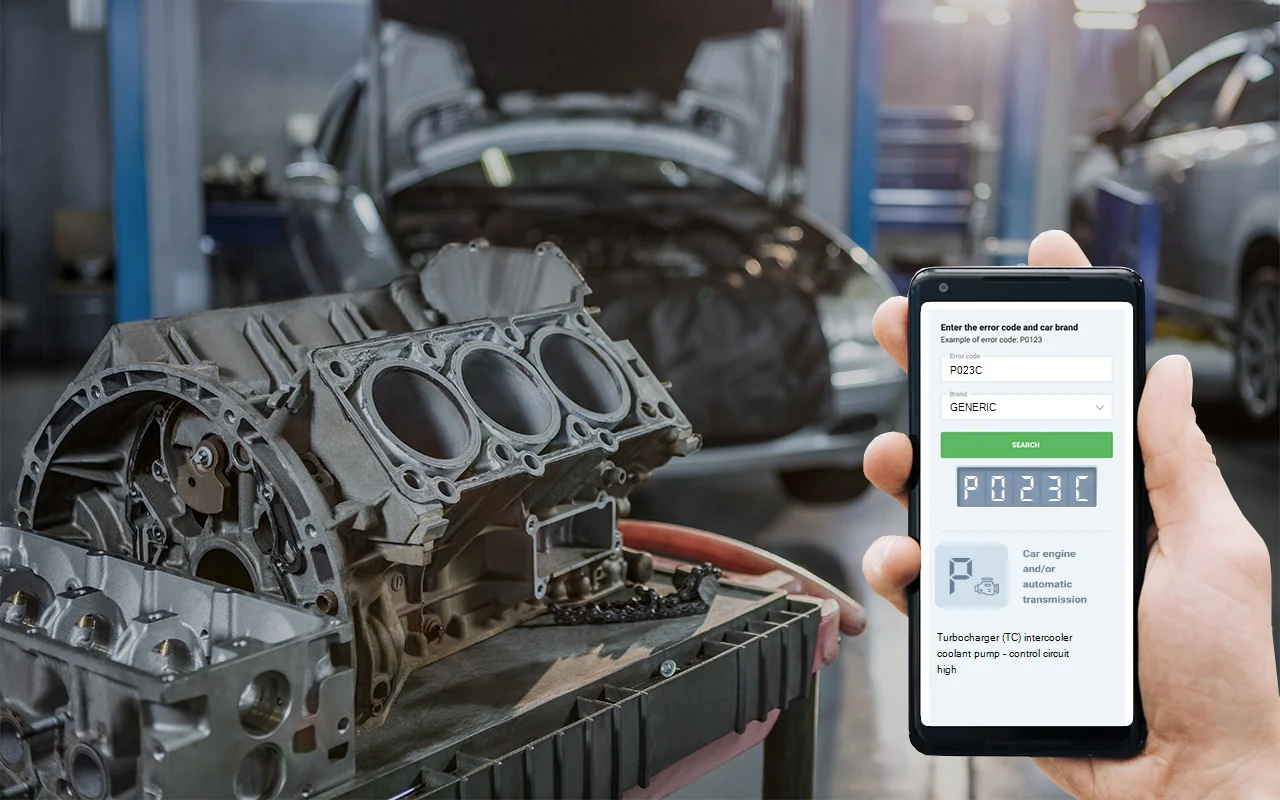
To sum it up, P023C means there’s a problem with the control circuit for your intercooler coolant pump-usually electrical or mechanical. It’s not a code to panic over, but don’t put it off, either. Ignoring it can lead to bigger headaches down the road. The best way forward is to start with the simple checks: wiring, connectors, coolant level, and the pump itself. Most of the time, fixing a bad wire or replacing the pump gets you back on the road with full power and peace of mind.
 4673
 6 minutes of reading