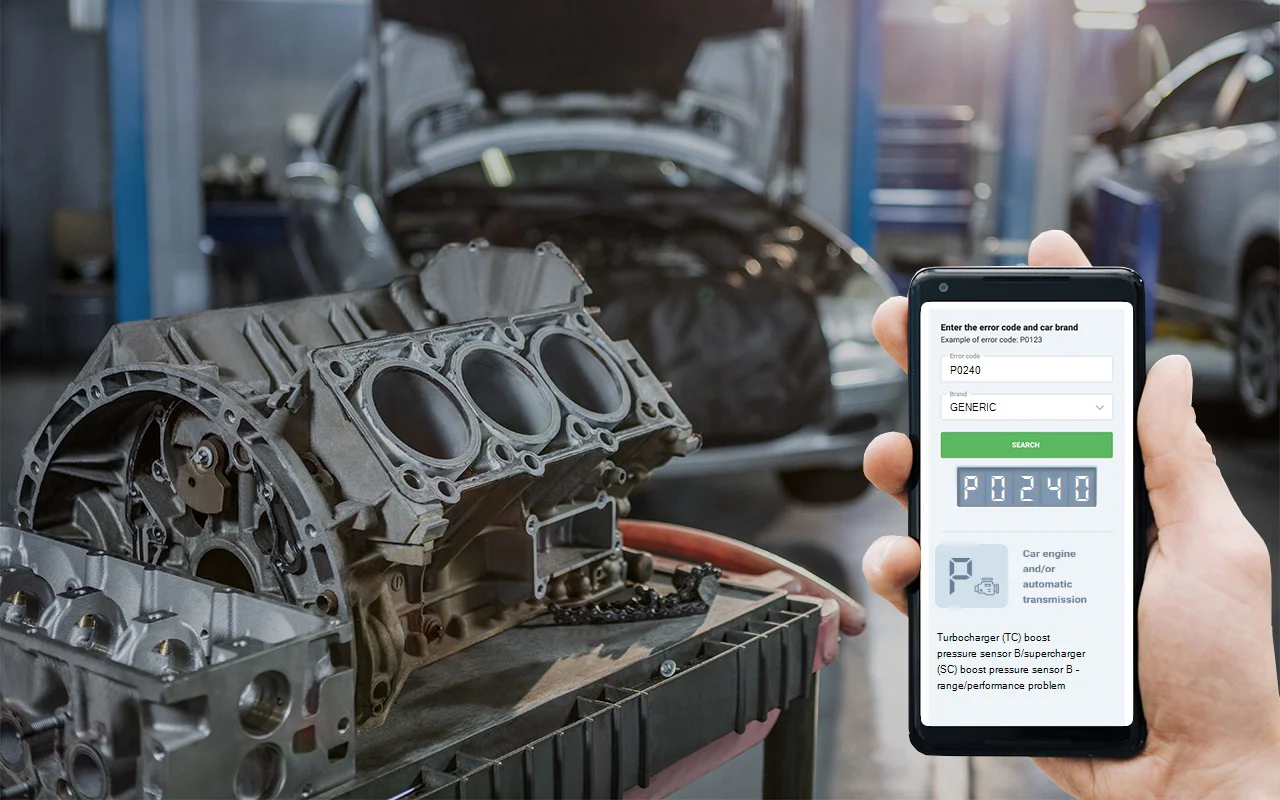
P0240 is one of those codes that shows up on turbocharged or supercharged rigs when the engine computer, or PCM, senses the boost pressure is running hotter than it should. In plain English, your turbo is shoving more air into the engine than the PCM expects, and it’s not happy about it. Over the years, I’ve seen the PCM keep tabs on boost with either a dedicated sensor or a MAP sensor-depends on your make and model. The real trick is how the PCM controls boost, usually with a bypass valve (wastegate) hooked up to vacuum lines and a solenoid. When something in that system goes sideways and boost doesn’t stay in check, you get this code and a glowing check engine light. Trust me, too much boost isn’t just a minor hiccup-it’s a recipe for engine or catalytic converter damage if left alone. So don’t brush off P0240 when you see it.
DTC P0240
 6007
6007 5 minutes of reading
Causes for dtc P0240
From my time under the hood and going by what the factory guides spell out, this code almost always boils down to trouble in the vacuum system or boost control hardware. Here’s what I’ve pinned down most often:
- Vacuum leaks-old, cracked, or pinched hoses top my list every time.
- Boost control solenoid failure-the solenoid that wrangles the wastegate can quit, letting boost run wild.
- PCM glitches-rare, but sometimes the computer just loses the plot and can’t keep boost under control.
- Weak vacuum supply-if the pump isn’t pulling its weight, nothing in the system works right.
Most times, you’re chasing a simple hose, but now and then a stubborn wiring fault or bad solenoid can keep you scratching your head for hours.
Symptoms of obd code P0240
Whenever P0240 pops up, your ride’s going to feel off. In my experience, the first thing you’ll notice is a loss of power-especially when you mash the throttle. The check engine light will be front and center. Sometimes, there’s a weird noise from the turbo area, but usually it’s that sluggishness that tips people off. The PCM steps in to save the engine by cutting back fuel and timing, so it’ll feel like your car isn’t giving you full effort.

Diagnosis steps for obd2 code P0240
Here’s my go-to routine when I’m chasing down P0240:
- Start with technical service bulletins (TSBs) for your make and model. Manufacturers sometimes know about recurring issues and have quick fixes.
- Next, take a close look at every vacuum line. I’m talking about anything cracked, pinched, brittle, or hanging loose. Don’t just eyeball the ones right on the turbo-trace every line back to its source.
- If that checks out, grab a vacuum gauge and measure vacuum at the boost control solenoid’s input side. If it’s not pulling vacuum, I suspect problems with the vacuum pump or supply.
- If vacuum’s good, test the boost control solenoid. With a digital voltmeter on duty cycle or frequency, look for a control signal at the solenoid plug while the engine’s idling. Got a signal but the solenoid’s dead? Replace the solenoid. No signal at all? Time to check PCM or wiring.
Here’s a pro-tip: a second set of hands goes a long way when you’re hunting leaks or checking signals. Sometimes it’s just easier with a buddy.
Common Mistakes when addressing P0240 trouble code
What I’ve often found is folks jump the gun by swapping out turbos or pricey sensors before looking at the basics. Skipping a thorough vacuum line inspection is a rookie move I see all the time. Missing TSBs is another-sometimes there’s a service update that solves the whole mess. Also, don’t just clear the code and hope it stays gone. Unless you dig up and fix the real problem, it’ll be back soon enough.

Seriousness of P0240
This isn’t a warning you want to ignore. Too much boost can wreck an engine or blow out the catalytic converter in a hurry-trust me, that’s a bill nobody wants. I’ve seen folks end up stranded or stuck in limp mode while trying to pass on the highway. Bottom line: don’t put off fixing P0240. The risk just isn’t worth it.
Repair options for P0240 code
Here’s what actually solves this code in my shop, and what the manuals back up:
- Replace any busted or leaking vacuum hoses-this is almost always the simplest fix and the cheapest.
- If the boost control solenoid isn’t responding to PCM commands, swap it out.
- If the vacuum pump’s not pulling enough vacuum, repair or replace it.
- On rare occasions, sort out wiring faults or swap the PCM if it’s dropping the ball.
After you’ve done the work, always run the system again to make sure that code doesn’t sneak back in.
Conclusion
In short, P0240 means your turbo system is building more boost than the computer wants, so it steps in to keep the engine safe. You’ve got to take it seriously-engine and catalytic converter damage aren’t cheap or easy fixes. Always start by inspecting every vacuum line and the boost control solenoid, since those are usually the culprits. Don’t gamble by ignoring this code; sort out any leaks or faulty parts, clear the code, and make sure everything’s running smooth before you hit the road again.