
Causes of P024C
From what I see most often in the shop, P024C usually comes down to a handful of common culprits. Here’s what tends to cause this code:
- The bypass valve itself is stuck open or closed-sometimes debris or carbon buildup gets in the way.
- There’s a physical blockage in the valve’s movement range, like a piece of plastic or grime.
- The bypass valve position sensor has failed or is giving bad readings.
- The wiring harness to the valve or sensor is damaged-think frayed wires, corrosion, or broken connectors.
- A fuse or relay in the circuit has blown.
- There’s a problem with the ECM (engine computer), though that’s less common.
- Poor electrical connections, like corroded or loose plugs, especially if the car’s seen a lot of weather.
From experience, mechanical issues with the valve itself are the most frequent, but I never rule out electrical gremlins until I check everything.
Common Symptoms of P024C Code
If your car’s throwing a P024C code, here’s what you might notice behind the wheel:
- The engine just doesn’t feel right-maybe it’s running rough or hesitating.
- Sometimes the car will go into what’s called “limp mode,” where it limits power to protect itself.
- You might feel the engine misfire, especially under boost or acceleration.
- Fuel economy can take a hit, so you’ll be filling up more often than usual.
Basically, you’ll know something’s off, even if it’s subtle at first. Don’t ignore these signs-they’re your car’s way of asking for help.

Diagnosis Steps for OBD Code P024C
Here’s how I usually tackle a P024C code, step by step:
- First, I always check for any Technical Service Bulletins (TSBs) for your specific make and model-sometimes there’s a known fix that can save a lot of time.
- Next, I locate the bypass valve on the charge air cooler system. It’s often mounted right on the intercooler piping, which could be in the front bumper, fender, or under the hood depending on your car. Make sure the engine is off before poking around.
- I look for obvious physical damage-cracks, broken parts, or anything that looks out of place on the valve and surrounding pipes.
- If it’s easy to remove the valve (and your service manual says it’s safe), I’ll take it off and check for anything blocking its movement. Sometimes a good cleaning is all it needs.
- Then, I inspect the wiring harness. I’m looking for cuts, worn spots, or corrosion-especially where the wires are exposed to the elements. Don’t forget to disconnect the battery before doing any electrical work.
- If I have a scan tool, I’ll command the valve open and closed while watching its movement. If it sticks or doesn’t move smoothly, the valve is probably bad.
- Finally, I check the electrical side with a multimeter-testing for continuity in the wires and making sure the sensor is getting power and sending a signal back to the ECM. If everything checks out but the code remains, I might suspect a deeper issue with the ECM or the sensor itself.
It’s best to start with the basics and work your way up-sometimes it’s just a dirty valve, but you want to be thorough.
Avoiding Common Mistakes with P024C Trouble Code
I’ve seen a few common pitfalls when folks try to fix this code:
- Jumping straight to replacing the sensor or valve without checking for simple blockages or wiring issues first.
- Overlooking damaged or corroded connectors-these can cause all sorts of weird electrical problems.
- Not disconnecting the battery before working on the electrical system, which can lead to accidental shorts.
- Skipping the TSB check-sometimes there’s a manufacturer update or known issue that’s easy to miss.
Don’t rush the process. A careful inspection saves time and money in the long run.

Seriousness of the P024C Engine Code
This isn’t something you want to ignore. While it might start as a moderate issue, it can quickly turn into a bigger problem if left unchecked. A stuck or malfunctioning bypass valve can cause poor engine performance, increased fuel consumption, and even engine damage if the air-fuel mixture gets too far out of whack. You don’t want to risk damaging expensive parts like the turbocharger, intercooler, or even the engine itself. Honestly, it’s dangerous to let this slide-things can go south quickly if overlooked.
Repair Solutions for DTC P024C
Here’s what usually fixes a P024C code, based on what I see in the field and in the OEM manuals:
- Cleaning or replacing the bypass valve if it’s stuck or blocked.
- Repairing or replacing damaged wiring or connectors in the valve circuit.
- Replacing the bypass valve position sensor if it’s faulty.
- Swapping out a blown fuse or faulty relay in the circuit.
- In rare cases, addressing a problem with the ECM, but that’s usually after everything else checks out.
Always double-check the manufacturer’s recommendations before replacing parts-sometimes a simple cleaning or wiring fix is all it takes.
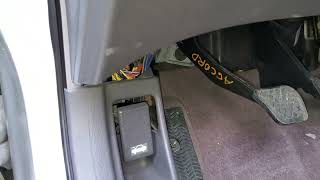
- 1998 To 2002 Honda Accord OBD2 / OBDII Connector Port Location On-Board Diagnostics - DTC Codes
- 🔥 Códigos DTC (OBD2): Qué son, qué Significan y más【Actualizado 2024】

- 📲 DTC Codes - What are they and how to understand them? Definitive guide 🔔
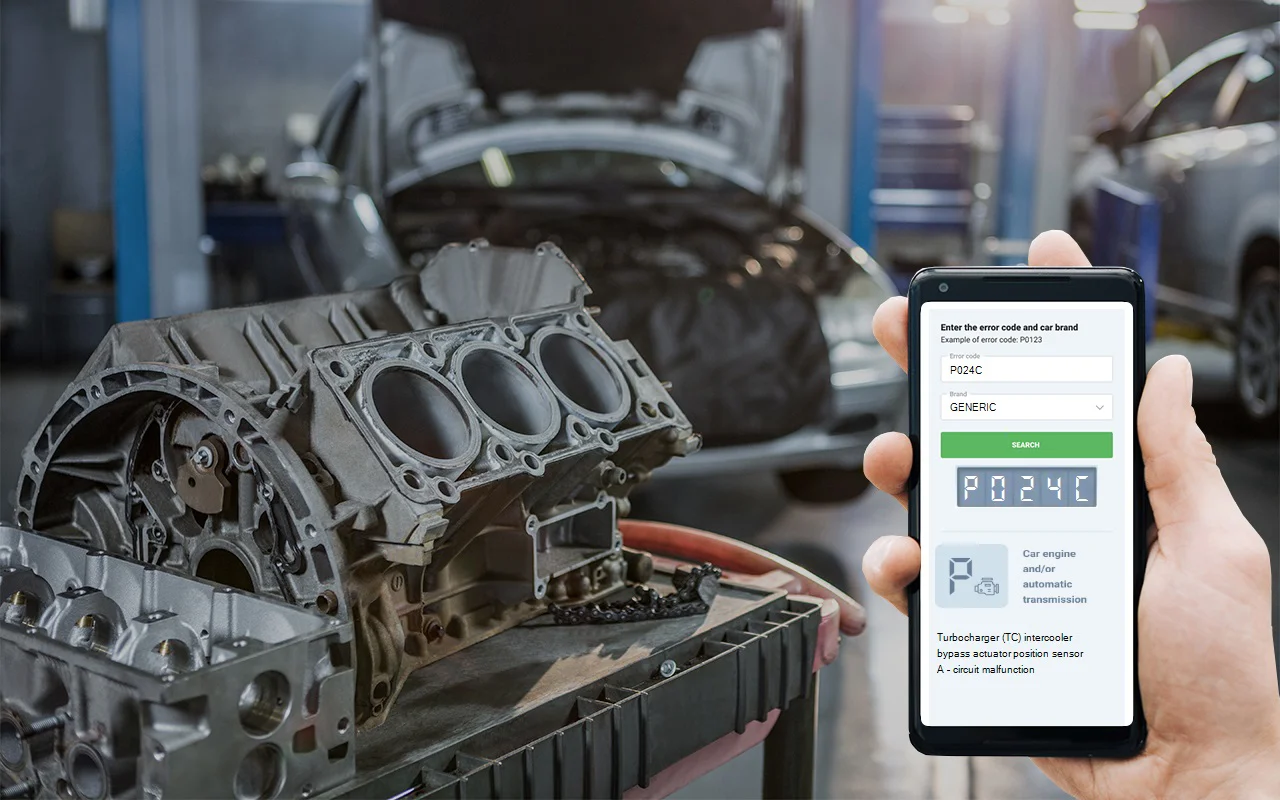
- How to Diagnose and Fix P024C Engine Code - OBD II Trouble Code Explain

Conclusion
To sum it up, P024C means your car’s charge air cooler bypass valve or its sensor isn’t working right, and that can mess with engine performance and reliability. Don’t put this off for later-acting quickly can prevent much bigger headaches down the road. Start with the simple stuff: check for blockages, inspect the wiring, and clean the valve. If those don’t solve it, move on to the sensor and electrical checks. The most reliable way to fix this is to follow a step-by-step diagnosis and address the root cause, not just the symptoms. Your engine-and your wallet-will thank you for it.
 4737
4737 6 minutes of reading