
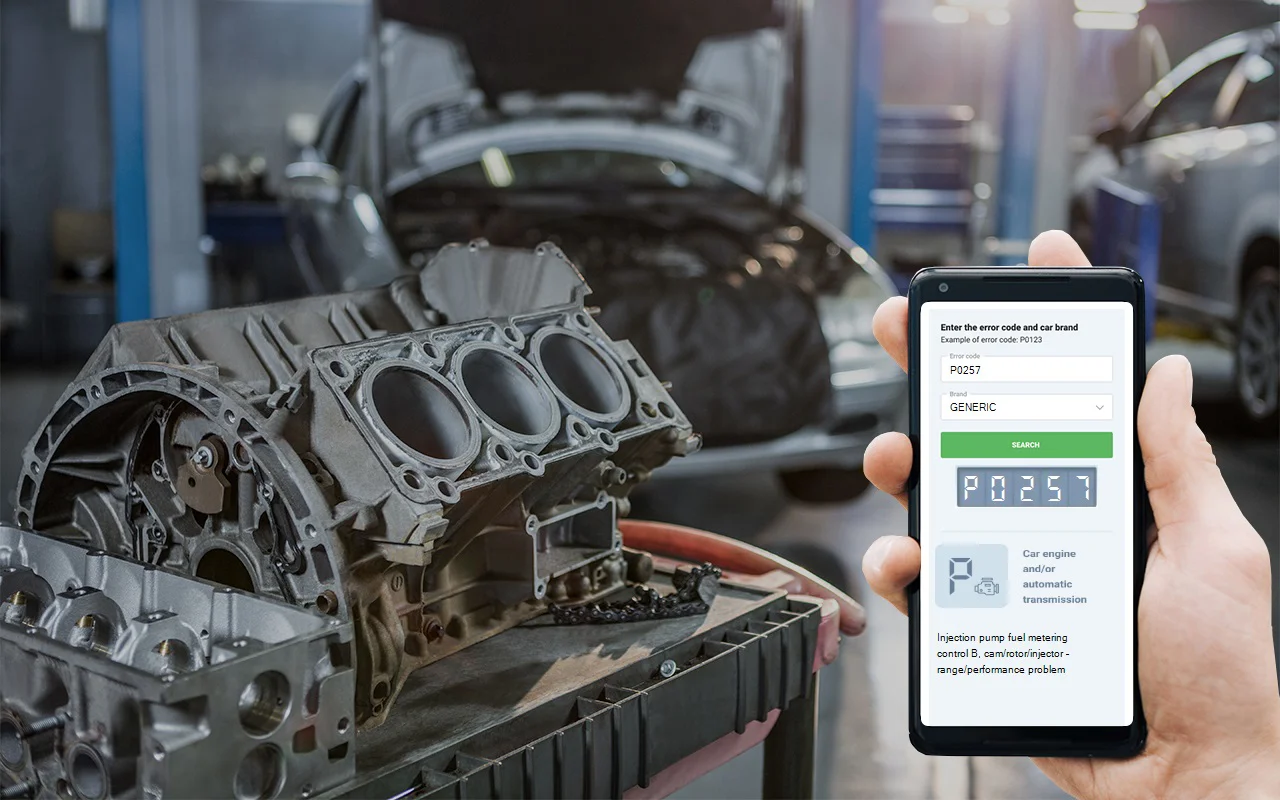
When I see a P0257 code pop up, I know the vehicle's PCM (that's the engine computer) has flagged an issue with the fuel quantity control-specifically in what's called the 'B' circuit on the injection pump. This one's a usual suspect in diesel engines, especially if you're driving a Mercedes Benz or VW, though I've seen it turn up in other makes too. Here’s what’s happening: There’s a Fuel Rail Pressure (FRP) sensor and a fuel quantity actuator working together to make sure just the right amount of diesel gets sent into the engine. The PCM is always on the lookout, comparing the FRP sensor’s signal to what it expects for the conditions at hand. If it spots anything out of line-even if it’s just for a blink-the code gets set. The point of all this? It’s to keep your engine running smooth and efficient, not too rich, not too lean.
DTC P0257
 4648
4648 6 minutes of reading
Causes of P0257 trouble code
From my time under the hood, the biggest culprits behind a p0257 code are electrical gremlins in the wiring or connectors for that FRP sensor, or the sensor itself giving up the ghost. Here’s a breakdown of what’s usually behind this code:
- Busted or worn-out wiring leading to the FRP sensor
- Short circuits to power or ground somewhere in the harness
- No power or ground reaching the FRP sensor
- A failed FRP sensor-this one's near the top of the list
- On rare occasions, the fault lands on the PCM itself
More often than not, it's the wiring or the sensor. My advice? Always start with the basics before you start blaming the computer.
Symptoms linked with P0257 engine code
If you’re dealing with this code, odds are the check engine light is glaring at you from the dash. Sometimes you’ll catch a dip in fuel mileage or notice the engine isn’t as silky-smooth as usual. Maybe there’s a bit of hesitation or it feels like you’ve lost some power. But honestly, there are times when that warning light is the only clue you get.

Diagnosis steps for P0257 code
When I’m faced with a p0257, I like to follow a methodical approach:
- First thing’s first-check for any Technical Service Bulletins (TSBs) tied to your make and model. You’d be surprised how often there’s already a known fix out there.
- Next, I’ll track down the FRP sensor. Usually, it’s hanging out near the injection pump, bolted right to the engine. If you’re scratching your head, just crack open the repair manual-it’ll show you exactly where to look.
- Then comes a good old-fashioned visual inspection. I’m looking for chafed wires, nicks, exposed copper, melted connectors, or any greenish corrosion on the terminals. If I spot anything, I’ll clean it up with some electrical contact cleaner and a soft brush, let it dry out, and dab on a bit of dielectric grease before snapping it back together.
- After tidying up, I clear the code and see if it rears its head again. If it stays away, you probably just fixed the issue with some basic TLC.
- If that code makes a comeback, it’s time to grab a digital voltmeter. With the key on and engine off, there should be 12V or 5V at the power wire, depending on your setup. No juice? Now you’re hunting a wiring or PCM fault.
- Checking the signal wire is next. You want to see about 5V with everything plugged in. If that’s missing, it’s usually wiring-or, in rare cases, the PCM acting up.
- If all the numbers look good but the code keeps coming back, nine times out of ten it’s a bad FRP sensor or the fuel quantity actuator. Swapping out the sensor usually does the trick in my experience.
If you’re not confident messing with electrical checks, get someone with experience to lend a hand. Oh, and here’s a safety reminder: Always disconnect the battery before fiddling with any connectors.
Common Mistakes when fixing obd code P0257
A classic mistake I see is folks throwing money at a new PCM or even an entire injection pump before checking the basics. That’s a fast way to burn through your wallet. Another slip-up? Ignoring corroded or loose connectors-they’re often the real troublemakers. Skipping the TSB search is another big miss; sometimes the factory fix is already out there, waiting to save you hours of hassle. Always work through the easy stuff first before jumping to the big-ticket parts.

How serious is dtc P0257
Trust me, this isn’t a code you want to brush off. If the root cause is mechanical, you could be looking at rough running, stalling, or even serious damage to your fuel system or injectors before you know it. If it’s electrical, the computer might limp things along for a bit-but you’re still gambling with bigger issues down the road. If you notice the engine running rough or losing power, that’s your cue to act fast. Letting this slide can chew up injectors, fry the injection pump, and, in the worst cases, hurt the engine itself if it starts running way off on fuel mix.
Repair solutions for P0257
Here’s what I’ve found works best for fixing p0257:
- Track down and repair or replace any beat-up wiring or connectors at the FRP sensor
- Give every electrical contact a good cleaning and make sure they’re locked in tight
- If the FRP sensor is the culprit, swap it out for a new one
- Only after exhausting all the above, consider the PCM-but remember, that’s rare and needs to be programmed for your vehicle
Stick to the manufacturer’s repair steps, and if you do end up replacing that PCM, make sure it’s flashed for your ride.
Conclusion
If there’s one thing I want you to take away, it’s that P0257 means your engine’s fuel delivery system isn’t being controlled the way it should-most often thanks to a cranky FRP sensor or sketchy wiring. Don’t put this repair off, or you could be in for some real headaches down the line. Always start with the easy checks: look at the wiring, connectors, and sensor first. Nine times out of ten, fixing a bad connection or swapping the sensor sorts it out. If you’re stuck or not sure what you’re seeing, don’t hesitate to call in a pro. The sooner you get this sorted, the better your engine-and your wallet-will be in the long run.


