
Causes of P0260 trouble code
Speaking from years on the bench, the number one thing I chase for a P0260 code is an electrical gremlin in the FRP sensor circuit, or sometimes just a bad FRP sensor. Here’s the short list of usual suspects:
- Broken or open wires going to the FRP sensor
- Shorts to ground or power in the FRP sensor wiring
- No power or ground making it to the FRP sensor
- A failed FRP sensor itself (honestly, this one tops my list nine times out of ten)
- And every so often, a faulty PCM-but that’s pretty rare
Don’t forget: both mechanical hiccups and electrical faults can set this code. So, keep your mind open-don’t get tunnel vision for just one or the other.
Symptoms of P0260
When P0260 is in play, you can bet the check engine light’s going to light up your dash. I’ve seen plenty of customers notice their fuel economy nosedive-suddenly they’re burning through diesel faster than usual. Sometimes the engine starts running rough, hesitates, or even struggles to fire up, especially if the issue gets worse. But here’s the kicker: sometimes, that check engine light is all you’ll see. So if you spot it, don’t ignore it-even if your truck still seems to run okay.

Diagnosis steps for obd code P0260
Let me walk you through how I’d go after a P0260. Here’s my playbook:
- First thing I do is check for Technical Service Bulletins (TSBs) for your make and model. Sometimes the factory already knows about this headache and has an official fix ready.
- Next, I track down the FRP sensor. You’ll usually find it bolted on or near the injection pump, right up against the engine. If you’re unsure, crack open your owner’s manual or a repair manual-they’ll point you to it.
- Then, I inspect the sensor, the connector, and all visible wiring. I’m looking for classic trouble: frayed wires, burnt or melted spots, that nasty green corrosion, or even loose plug connections. Don’t overlook wires that have been rubbing or pinched, either.
- If I spot any crud or corrosion, I clean up the connector with electrical contact cleaner and a soft plastic brush. Let it dry, then dab on a little dielectric grease to keep moisture out. This trick alone has solved plenty of these codes for me.
- Once everything’s cleaned up, I clear the code with a scan tool and take the car for a spin, or just let it run. If the code stays gone, it was probably just a bad connection.
- If P0260 comes back, it’s time for the multimeter. With the key off, unplug the FRP sensor and check for proper voltage and ground at the connector. You’ll usually see 5 or 12 volts on the power wire-double-check with a wiring diagram for your model.
- If power and ground are good, I move on to the signal wire. With the connector plugged in and the key on (engine off), I check for a 5-volt reference signal. If it’s not there, you might have a wiring issue or a deeper PCM problem.
- If all the wiring looks solid but the code won’t die, odds are you’ve got a bad FRP sensor or fuel quantity actuator. Only in rare cases have I seen a PCM be the culprit.
If chasing wires or using a multimeter makes you nervous, grab a buddy who’s comfortable or leave it to a pro. And always have the correct wiring diagram on hand before you poke around.
Common Mistakes when addressing dtc P0260
A classic mistake I see is folks swapping out the FRP sensor right away, without giving the wiring and connectors a proper look. That’s an easy way to blow cash on a part you didn’t need. Another one-skipping the TSB check. Sometimes the fix is spelled out, but gets missed. Don’t forget to verify power and ground at the sensor, either; overlooking these basics can send you on a wild goose chase. And here’s a pro-tip: don’t blame the PCM unless you’ve ruled out everything else. Nine times out of ten, it’s not the computer.

Seriousness of obd2 code P0260
P0260 isn’t something to brush off. If you’re dealing with a mechanical problem in the injection pump or actuator, you could be risking your engine running rough, stalling, or not starting at all. That’s a nightmare if you’re caught in traffic or far from home. Even if it’s 'just' an electrical issue, you’ll end up with lousy fuel economy and extra wear on your engine. Let it go too long, and you might wreck the injection pump, the injectors, or even fry the PCM. Bottom line-this can snowball fast. Get on it before it turns into a bigger headache.
Repair options for P0260 code
Here’s how I usually tackle a P0260 fix:
- Clean and tighten every connector and wire around the FRP sensor and fuel quantity actuator
- Repair or swap out any wires or connectors that look damaged
- If the FRP sensor checks out as bad, replace it-don’t guess, test first
- If the problem sticks around, and you’ve ruled out everything else, replace the fuel quantity actuator or, in rare cases, the PCM
- Once repairs are done, clear the code and take it for a test drive to make sure P0260 doesn’t pop back up
Always use the repair steps for your exact vehicle, and if you end up replacing the PCM, remember it’ll likely need reprogramming or calibration. Don’t skip that step, or you’ll end up right back where you started.


Conclusion
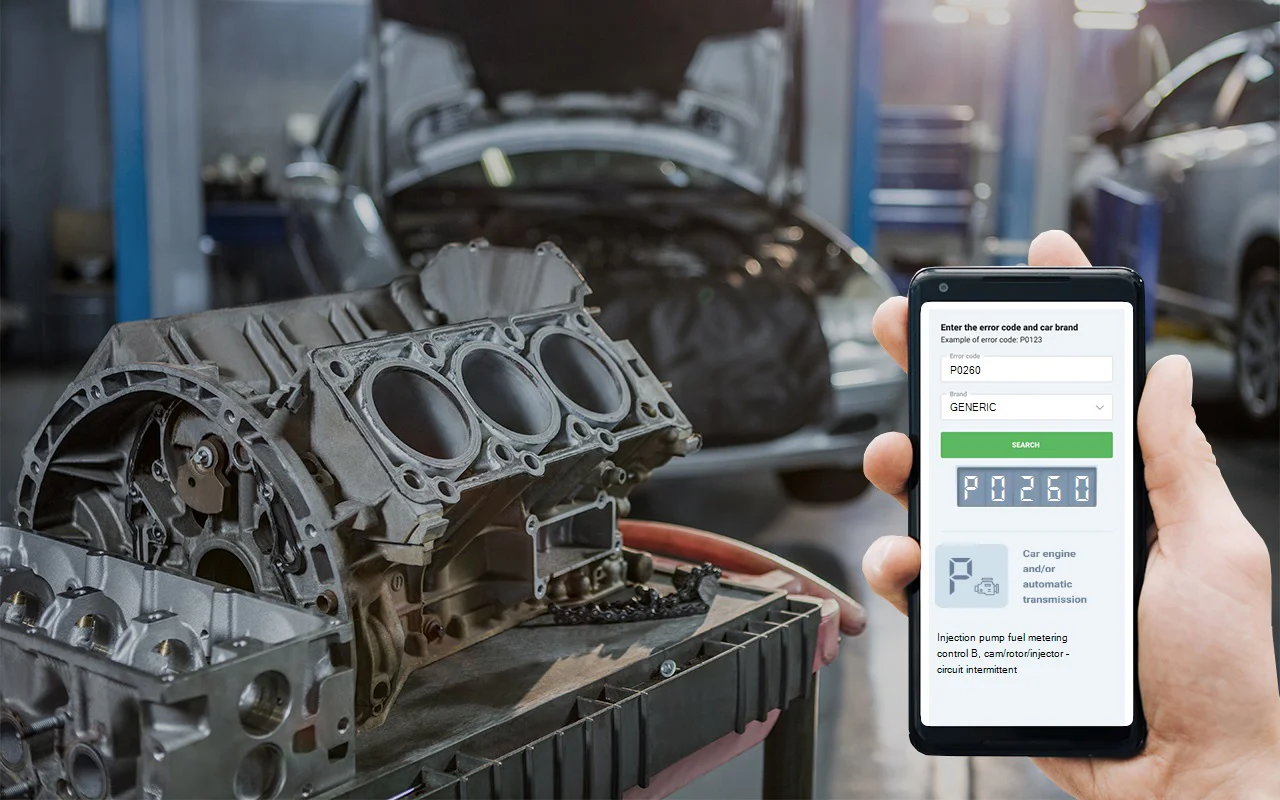
Wrapping it up: if you get a P0260, your diesel’s fuel metering control circuit 'B' is acting up, usually because of a sensor or wiring issue. Don’t let it linger-jump on the simple stuff first: check for TSBs, give the wiring and connectors a good once-over, and only start swapping parts when you’re sure they’re the problem. In my shop, most of these fixes are pretty straightforward if you don’t skip steps. Take care of P0260 quickly, and you’ll avoid bigger, costlier problems down the road. Trust me-your engine (and your wallet) will thank you.
 4795
 6 minutes of reading