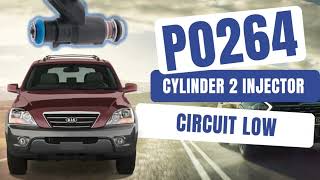
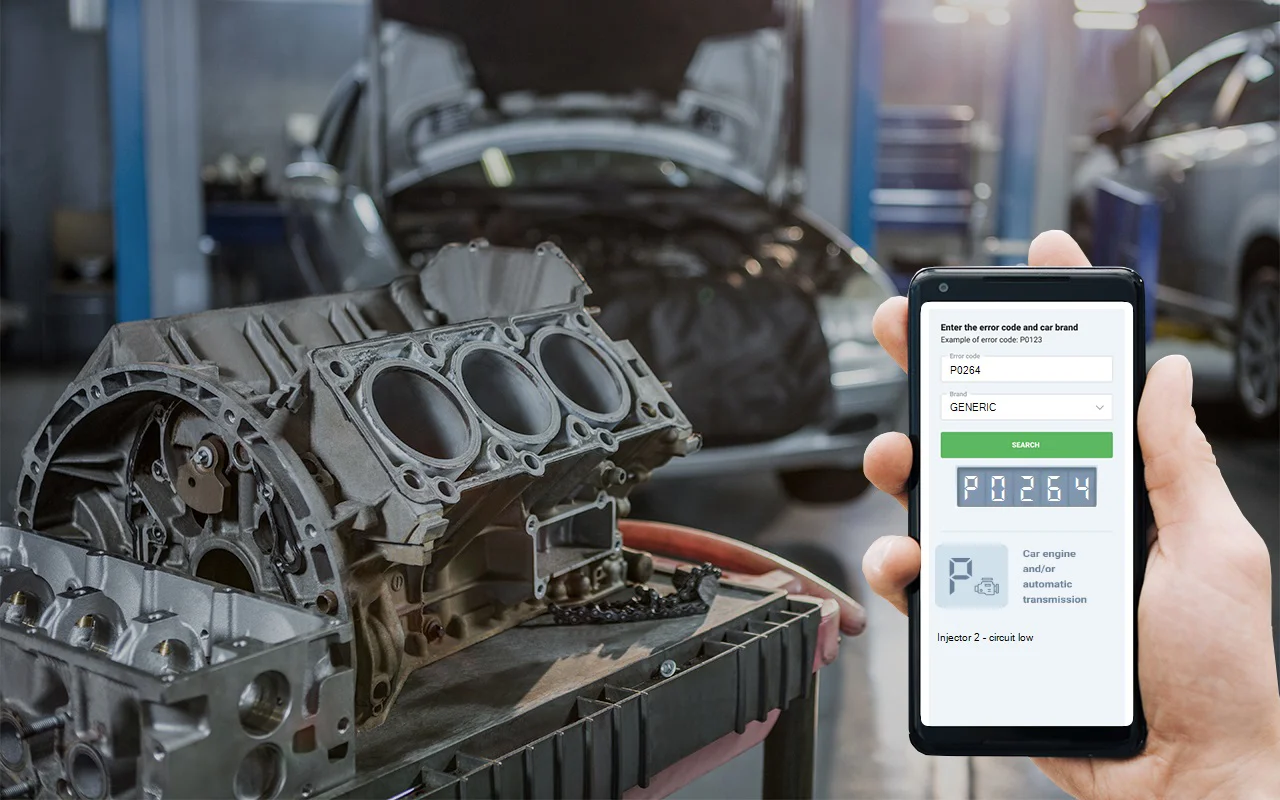
When you see a P0264 code, what’s really happening is your car’s computer-what we call the PCM-has noticed a weak voltage signal coming from the fuel injector circuit on cylinder #2. In plain language, that injector isn’t getting the juice it needs to open up and spray fuel the way it should. Over the years, I’ve seen this kind of thing cause all sorts of headaches-fuel injectors are supposed to atomize fuel so the engine burns it efficiently, and when they don’t, you get rough running, lousy performance, and sometimes even a no-start. The PCM or, on some trucks and diesels, a separate fuel injector control module (the FICM) calls the shots on when and how long the injector sprays. If the signal drops too low, the injector may not open at all or it might just dribble, leaving your engine gasping for fuel. So, a P0264 is the computer’s way of telling you there’s a hiccup in the fuel delivery or electrical side of things-problems you don’t want to ignore if you care about how your engine runs.
DTC P0264
 4764
4764 6 minutes of reading
Causes and obd2 code P0264
From my time under the hood, here’s what usually triggers a P0264:
- The #2 fuel injector itself has failed-honestly, this is what I see most often, especially with high-mileage rigs.
- The injector’s clogged up-dirt or varnish can gum up the works, and you’d be surprised how often a simple cleaning solves it.
- Wiring gremlins-broken, chafed, or corroded wires or connectors in the injector circuit are classic culprits. Sometimes it’s the stuff you can’t see until you really dig in.
- A failing fuel injector control module (FICM)-not as common, but on certain diesels, I’ve had to swap these out more than once.
- PCM on the fritz-rare, but I’ve learned not to rule anything out if the basics all check out.
In real-world diagnostics, it’s almost always the injector or the wiring leading to it. Don’t get tunnel vision, though-check everything before you start replacing parts.
Symptoms and P0264 engine code
When this code shows up, here’s what I tell drivers to keep an eye (and ear) out for:
- First, you’ll probably get the check engine light-that’s your car’s way of waving a flag.
- The engine might start running rough, especially when you’re idling at a stoplight or trying to accelerate up a hill.
- Notice the car struggling to get up to speed? That hesitation or loss of power is a dead giveaway.
- Your wallet might feel it too-fuel consumption can shoot up, so you’ll be filling the tank more than usual.
- In some cases, you’ll have trouble starting, or the engine might even stall out unexpectedly.
When you hear or feel a misfire-maybe it sounds like the engine’s skipping a beat-that’s a sign something’s off with that injector circuit. Trust your senses; they’re your best diagnostic tools.

Diagnosis and P0264
Let me walk you through how I’d chase down a P0264:
- Start simple-clear the code, then see if it comes right back. Sometimes a fluke spike triggers it, but if it returns, you know you’ve got a real issue.
- Next, I get hands-on with the wiring and connector at the #2 injector. Look for obvious stuff-burned, cracked, or corroded wires. Here’s a pro-tip: with the engine running, gently wiggle the connector. If the engine stumbles or changes tone, you’re onto something.
- Grab a multimeter and check for battery voltage at the injector connector (key on). The other pin should pulse to ground when the engine’s cranking or running.
- If the wiring checks out, I move to a noid light or test light to make sure the PCM or FICM is firing the injector correctly.
- Still nothing? Time to ohm out the injector-compare resistance readings with the specs and with other injectors. If #2 is way out of line, you’ve found your suspect.
- Sometimes, I’ll swap the #2 injector with another cylinder. If the problem moves with the injector, case closed-it’s the part, not the wiring or computer.
Having an extra set of hands is a big help, especially for checking injector pulse or swapping parts. And don’t skip checking the harness all the way back-sometimes the break is nowhere near the connector. The devil’s in the details.
Common Mistakes with P0264 trouble code
I’ve watched both rookies and seasoned techs fall into these traps:
- Swapping injectors right away without checking wiring-more often than not, a bad wire or loose connection is the real issue.
- Missing corrosion inside the connector-even a tiny bit of green or white crust can ruin your day.
- Neglecting to compare resistance across all injectors-you need a baseline, or you’re just guessing.
- Skipping over Technical Service Bulletins (TSBs)-manufacturers sometimes issue fixes or improved parts, and you don’t want to miss out on an easy solution.
I can’t stress this enough: start with the basics. You’ll save yourself time, money, and a whole lot of frustration if you check the easy stuff first.

Seriousness of a P0264 code
Don’t brush this one off. Running with a faulty injector circuit can make your engine misfire, stumble, or even stall out right in the middle of traffic. That’s not just annoying-it’s downright dangerous. Plus, ignoring it can clog your catalytic converter, foul your spark plugs, and even cause engine damage if left unchecked for too long. Problems like this have a way of going from bad to worse in a hurry, so you’ll want to jump on it as soon as you notice something’s off.
Repair tips and obd code P0264
Here’s what’s worked best for me in the garage when it comes to fixing a P0264:
- Repair or replace any damaged wiring or connectors you find in the injector circuit-don’t be tempted to just tape it up and hope for the best.
- Clean or swap out the #2 injector if it’s clogged or toast-sometimes, a good injector cleaner does the trick, but often you’ll need a replacement.
- If the FICM’s the problem, replace or reprogram it, depending on what your scan tool and the manufacturer’s info say.
- Very rarely, if the PCM just won’t send the right signal, it might need to be reprogrammed or replaced-but only after you’ve ruled out everything else.
Don’t forget to clear the code and take the car for a solid test drive before calling the job done. That’s the only way to know for sure you’ve nailed it.
Conclusion
Here’s the bottom line: a P0264 code means your engine’s #2 injector isn’t getting the electrical signal it needs, and that spells trouble-rough running, wasted fuel, and possible engine damage if you let it slide. My advice? Start with a close look at the wiring and injector, since those are almost always to blame. Don’t wait around; the risks just aren’t worth it. Tackle it step by step, and with a little patience and the right know-how, you’ll have your engine purring again in no time.