
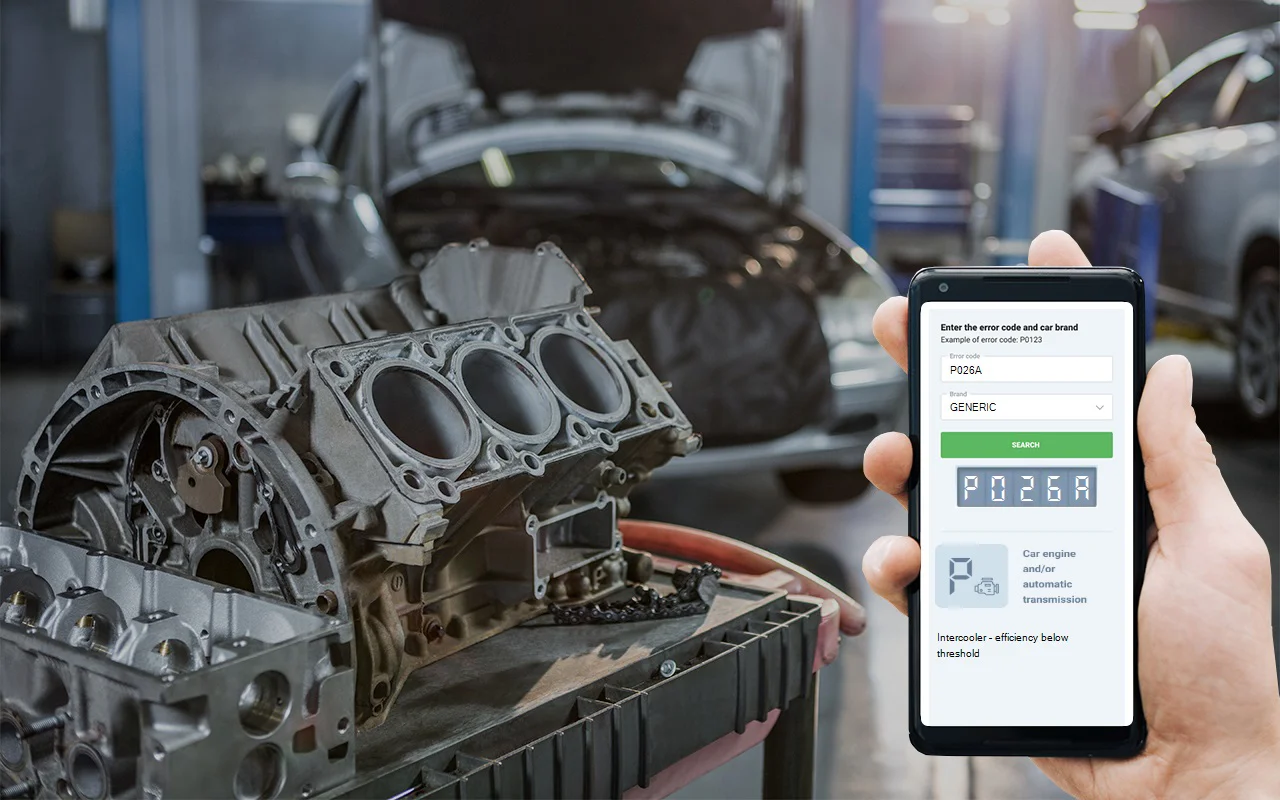
Causes and obd code P026A
From what I’ve seen in the shop and what the official repair information says, the most common reasons for a P026A code are:
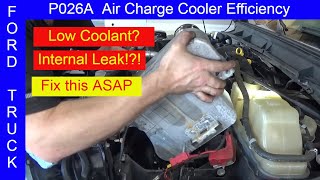
- Restricted or clogged charge air cooler (intercooler) - usually from debris, oil contamination, or internal blockage.
- Boost or intake air leaks - split hoses, loose clamps, or cracks anywhere between the turbo, intercooler, and intake manifold.
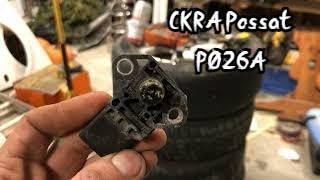
- Faulty or inaccurate intake air temperature sensors (either before or after the intercooler).
- Cooling fan or radiator issues - if the fan isn’t working, the intercooler can’t shed heat properly.
- Obstructions in front of the intercooler - like leaves, plastic bags, or even a bent grille blocking airflow.
Most often the issue is with airflow or a leak, but I’ve also seen sensor problems throw this code.
Symptoms and P026A trouble code
Let me tell you what you’ll likely notice when this code is active. Usually, there’s a drop in engine power, and it’s most obvious when you’re putting your foot down or hauling something heavy. Sometimes the check engine light pops up, and maybe the engine starts to stumble or hesitate. You might also catch the fuel gauge dipping faster than usual, or spot a little black smoke coming out the tailpipe. If things get bad, your vehicle can slip into limp mode to save itself from real damage. In my experience, anytime you feel the engine lagging or just not acting right, don't ignore P026A-it’s probably behind it.

Diagnosis and P026A code
Here’s how I usually tackle a P026A code, step by step:
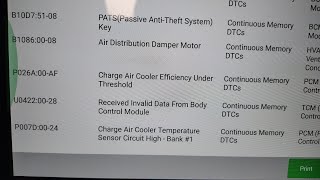
- First, I check for any other codes that might point to a related problem, like boost pressure or sensor issues. It’s always smart to look at the big picture.
- Next, I do a thorough visual inspection under the hood. I look for loose or damaged hoses, oil leaks around the intercooler, and make sure nothing is blocking the front of the intercooler (leaves, debris, or even snow can cause problems).
- Then, I check the intake air temperature sensors. I use a scan tool to compare the readings from before and after the intercooler, and make sure they make sense compared to the outside air temperature. If one sensor is way off, it could be faulty.
- After that, I pressure test the intake system. This means checking for any leaks in the hoses or intercooler itself. Even a small split in a hose can throw off the readings.
- If everything looks good so far, I inspect the intercooler for internal blockages or oil contamination. Sometimes oil from the turbo can build up inside and reduce efficiency.
- Finally, I make sure the cooling fan is working properly, especially if the vehicle tends to overheat or the code comes up in hot weather or heavy traffic.
It’s better to have someone assist you when checking for leaks or blockages, since a second set of eyes can spot things you might miss.
Common Mistakes when repairing P026A
A classic mistake I see all the time is swapping out sensors first without hunting for leaks or blockages. Too many people overlook the intercooler itself-forgetting to check for junk or oil inside. Skipping the pressure test is another blunder; it’s an easy way to miss a leak hiding in plain sight. And don’t get tunnel vision-if you forget about the cooling fan, you’re asking for trouble. If you rush through and just clear the code, you’ll almost always see it come back. Take your time, do it right, and you’ll save yourself a headache.

Seriousness of obd2 code P026A
You really don’t want to let this one slide. If you ignore it, you’re setting yourself up for weaker engine performance, higher emissions, and possibly even engine damage down the road. Hot intake air can make the engine knock or run lean-both of which are bad news. If you depend on your vehicle for towing or heavy loads, this isn’t a risk worth taking. I’ve seen blocked or leaking intercoolers take out turbochargers and rack up costly repairs. Problems can pile up fast if you don’t tackle this promptly.
Repair steps for dtc P026A
Here’s how I usually get a P026A code sorted, based on what’s worked for me and what the manuals say:
- Clean out or swap the charge air cooler if it’s clogged or full of oil.
- Fix or replace any busted or leaking intake hoses, clamps, or connectors.
- Switch out intake air temp sensors if their readings don’t match reality.
- Pull any junk off the front of the intercooler and check that the cooling fan is working like it should.
- Every now and then, you’ll need a whole new intercooler if it’s damaged inside or leaking.
Here’s a pro-tip from the garage: start simple. Look for leaks and blockages first before you spend cash on new parts.
Conclusion
So, if you’re staring down a P026A code, what it really means is your charge air cooler isn’t dropping the intake air temperature enough. That’s bad for performance and emissions. The usual suspects are leaks, blockages, or sensors on the fritz. Don’t wait-these sorts of problems only get worse, and you could be looking at some pricey repairs if you leave it. The smart move is always a thorough checkup: hunt down leaks, clear out blockages, and only swap sensors or the cooler if you’re sure that’s what’s wrong. That’s how you keep your ride running right and out of the shop for the long haul.
 5706
5706 6 minutes of reading