Causes of P026C engine code
From my time in the shop and what I’ve seen in the repair manuals, here are the issues that most often trigger a p026c code:
- Clogged or restricted fuel injectors-This one’s a classic. Years of buildup or dirty fuel will choke off the injectors, and suddenly they just can’t deliver what’s needed.
- Low fuel pressure-Maybe your pump’s getting tired, the filter’s full of junk, or a bad regulator’s not holding pressure where it should be. Any of those can drop fuel delivery below spec.
- Electrical issues-Don’t overlook the wiring. Broken, corroded, or loose connections to the injectors or sensors can throw signals way out of whack.
- Faulty fuel rail pressure sensor-If this sensor’s lying to the computer, the whole system can be off-balance and under-fuel the engine.
- Problems with the FSA system itself-Not common, but I have seen control modules or their software go bad and cause weird fueling problems.
Most of the time, it’s something simple-dirty injectors or a weak pump. But I always walk through the entire system to be sure. And just so you know, this isn’t just a Volvo thing; Ford and Renault drivers run into it, too.
Symptoms of P026C code
If you’re behind the wheel with a sa 16 dtc p026c00 showing, here’s what you’re likely to notice:
- The engine idles rough, maybe shakes more than normal, and just doesn’t feel right.
- Acceleration feels weak, or the car’s lagging when you try to climb a hill.
- Your fuel economy drops, and you’re suddenly filling up more often than you’re used to.
- The check engine light is glaring back at you-no surprise there.
- Sometimes, especially on cold mornings, the engine might struggle to start or even stall out after you get it running.
Trust me, these symptoms aren’t random. They’re your car’s way of waving a red flag that it’s not getting the fuel it needs to run right.

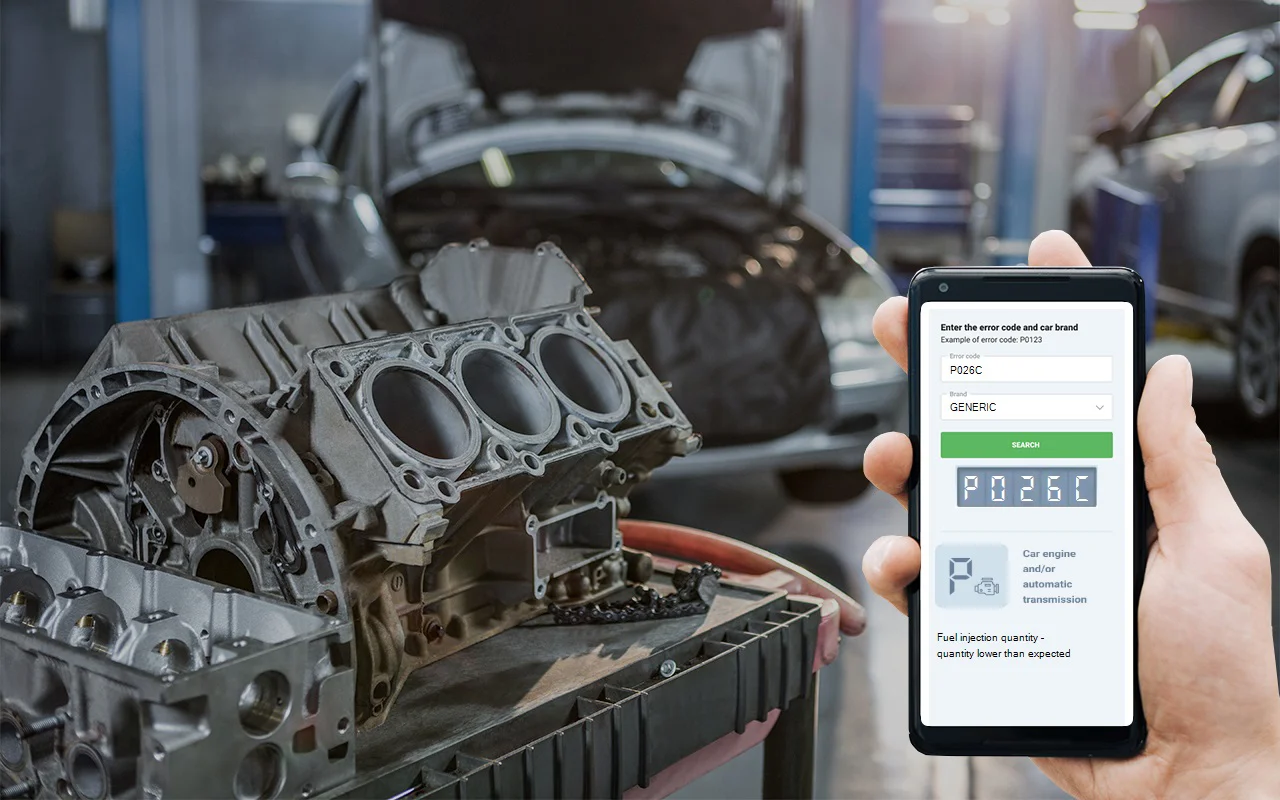
Common Mistakes when fixing obd2 code P026C
Over the years, I’ve seen some patterns in the mistakes folks make trying to fix this code:
- Diving right in and swapping injectors before checking if fuel pressure or the filter is the actual problem.
- Missing wiring issues-sometimes a single loose pin or corroded connector is all it takes to throw the code.
- Ignoring other related trouble codes. Those extra clues can point you straight to the real issue, like a fuel pressure sensor gone bad.
- Jumping to software or control module updates without working through all the basics first.
The big takeaway? Don’t skip steps. It’s easy to waste time and money if you overlook something simple.

Repair solutions for dtc P026C
When I’m fixing a volvo code sa 16 dtc p026c00, here’s what usually gets the job done, depending on what the diagnostics reveal:
- Clean or swap out any fuel injectors that are clogged or restricted.
- Put in a new fuel filter if the old one’s packed with debris.
- Repair or replace any sketchy wiring or connectors at the injectors or fuel rail pressure sensor.
- If the fuel pressure’s low, I check and, if needed, replace the fuel pump or pressure regulator.
- Replace a bad fuel rail pressure sensor if it’s not reading right.
- On rare occasions, update or reflash the engine control module software if there’s a known bug causing fuel delivery issues.
My rule? Don’t just clear the code and hope for the best. Fix the root cause so you know it won’t come back to haunt you.
Conclusion
If you’ve got a P026C on your hands, you’re dealing with an engine that’s running too lean-and that’s never good. Left alone, it’ll wreck performance and could cause damage you’ll really feel in your wallet. From what I’ve learned, tackling the basics first-fuel pressure, wiring, injectors-gets results. Don’t gamble with your engine’s health. Take care of it now, and you’ll save yourself a bigger headache down the line.
Video for "Error p026c" on YouTube
The following error codes are often searched for

 5158
5158 6 minutes of reading