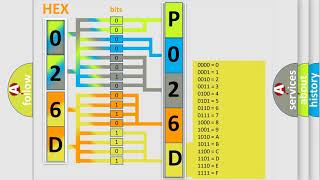
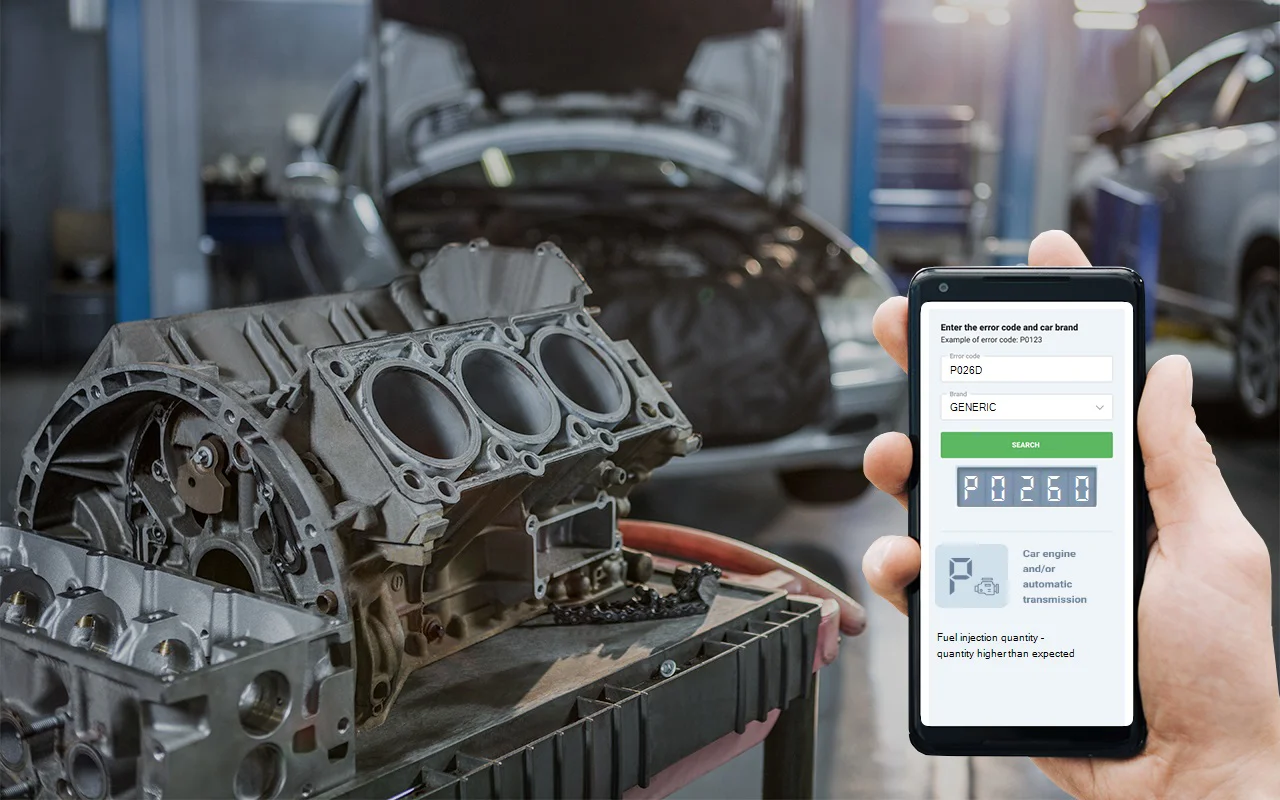
When you see the P026D code pop up, it’s your vehicle’s computer telling you that the fuel injection quantity is running higher than what it expects. In my experience, this means the ECU’s keeping a close watch on just how much fuel is making its way into the engine, and when it spots numbers over its set limit, it flags it. Think of it as your car’s way of making sure everything stays efficient and emissions stay in check. The big takeaway? The fuel correction value-basically, the system’s best guess for extra fuel needed-is just too high. That’s usually a sign of trouble with the fuel injectors, sensors, or sometimes the way the engine is burning fuel. I’ve seen it all: from a sticky injector to a misbehaving sensor, these are the usual suspects.
DTC P026D
 5156
5156 5 minutes of reading
Causes and obd2 code P026D
From my time under the hood, and flipping through more shop manuals than I can count, here’s what tends to bring on a p026d code:
- Leaking or sticking fuel injector-that injector might be dumping in way too much fuel
- Fuel pressure sensor that’s gone rogue and is feeding the ECU bad data
- Issues with the fuel rail pressure regulator messing with the system’s balance
- Wiring headaches-think corroded connectors or damaged harnesses at injectors or sensors
- Software or calibration gremlins in the engine control module-rare, but they do show up from time to time
Most of the time, though, it’s the injector or something tricking the system into thinking it needs to dump in extra fuel. And a heads-up: I’ve seen this error pop up on Fords, Renaults, and a handful of other makes, too.
Symptoms and P026D engine code
When this code sets in, usually the first thing you’ll spot is that all-too-familiar check engine light staring back at you from the dash. But there’s more-rough idle, lousy fuel economy, or even a puff of black smoke out the tailpipe. Sometimes the engine just feels lazy or gives you that annoying hesitation when you step on the gas. And here’s the tricky part: sometimes you won’t notice much at all, but that doesn’t mean you’re in the clear. Over the years, I’ve had drivers report these same symptoms when dealing with the sa 16 dtc p026d00 issue.

Diagnosis and obd code P026D
Let me walk you through how I usually get to the bottom of this one:
- I start by scanning for any other codes hanging around. P026D likes to show up with other fuel or injector codes, and that can be a big help in zeroing in on the problem.
- Next move? Clear the code and fire the engine back up. If it comes right back, you know you’re chasing an active issue-not just a one-off glitch.
- Then I put the spotlight on the fuel injectors-especially the one flagged by the code, if you’re lucky enough to get that info. Look for signs it’s leaking or stuck. Sometimes you’ll spot a wet spark plug or catch a whiff of raw fuel.
- Don’t skip the wiring and connectors at the injectors and fuel pressure sensor. Over time, grime and corrosion love to set in, so I make a point to check for clean, tight connections.
- If all that checks out, I’ll fire up the scan tool and keep an eye on live data-fuel pressure and injector balance rates tell you a lot. If one injector is acting up, it’ll stick out like a sore thumb here.
- And here’s a pro-tip from the garage: always look up Technical Service Bulletins (TSBs) for this code. Sometimes the fix is just a software update or a known quirk from the manufacturer.
If you’re checking for leaks or listening for odd injector noises, it’s always easier (and safer) to have an extra set of hands helping out.
Common Mistakes and P026D trouble code
One classic mistake I see all the time? Folks go straight for a new injector before checking the wiring or sensors. That’s a quick way to burn through your repair budget. Another one: ignoring TSBs or software updates that might solve the issue without touching a single part. And don’t overlook fuel contamination-I’ve pulled plenty of injectors only to find the real culprit was dirty fuel gumming up the works.

Seriousness and P026D code
Believe me, this isn’t the kind of code you want to let slide. Too much fuel can wash down the cylinder walls, and I’ve seen that lead to some expensive engine damage over time. On top of that, you’re flirting with a clogged catalytic converter or, in worst-case scenarios, even a fire risk if there’s a major leak. It’s no exaggeration-ignoring this can get dangerous fast. Parts at risk? Injectors, spark plugs, the catalytic converter, and sometimes the engine itself if you let things go too long.
Repair and dtc P026D
Here’s what’s worked best for me in the shop when tackling this code:
- Replace or give that faulty injector a proper cleaning
- Repair or swap out damaged wiring or crusty connectors
- If the fuel pressure sensor or regulator is bad, it’s got to go
- Apply any engine control module updates if a TSB points to a software solution
- If you find contaminated fuel, flush it out and start fresh
One last thing-don’t just assume the problem’s fixed. Always clear the code and take the car for a solid test drive. If that code stays gone, you know you’ve nailed it.
Conclusion
So, here’s the bottom line: P026D means your engine’s running richer than it should, usually because of a bad injector or a sensor that’s lost its mind. Treat this as urgent-letting it linger is a recipe for bigger, costlier problems down the line. Your best bet? Work through the diagnosis step by step, starting with the basics before you start swapping parts. Nine times out of ten, the fix is straightforward once you’ve tracked down the cause. Move quickly and you’ll save yourself a world of headaches-and probably a lot of money, too.