When you see a P0278 code, you're looking at a problem that I've run across more times than I can count: cylinder number six isn’t pulling its weight on the power stroke. What’s happening here is your engine control module-some folks call it the PCM-is watching how each cylinder speeds up the crankshaft. If number six lags behind the others, the module throws this code. Nine times out of ten, this points to an issue in fuel delivery for that cylinder. Maybe the injector’s not firing right, or it’s just not getting enough fuel. It’s a universal OBD-II code, so it shows up on just about any modern car or truck, but the nitty-gritty of how you fix it will depend on your specific ride. Bottom line: you want every cylinder firing evenly. If just one’s out of step, your engine’s performance and lifespan take a hit.
DTC P0278
 4634
4634 6 minutes of reading
Causes of P0278 code
From years in the field, I can tell you the most frequent root of a P0278 is a dirty or faulty fuel injector on cylinder six. Sometimes, all it takes is a little grit or varnish to gum up the works, while other times the injector just quits altogether-mechanically or electrically. Don’t overlook the simple stuff, either: a corroded connector, bent pins, or loose wiring at the injector can trip this code. Every now and then, a break somewhere in the wiring harness between the injector and the fuel pump relay is to blame. Less often, it’s something deeper, like low compression in that cylinder, but if you ask me, fuel issues are almost always the first place to look. Here’s what I run into most often:
- Fuel injector clogged with debris
- Injector failure-either mechanical or electrical
- Connector corrosion or damage at the injector
- Loose or broken wiring leading to the injector
- Crud or contamination in the injector filter
Symptoms of dtc P0278
If this code pops up, you’ll probably spot a few telltale signs behind the wheel. First, the check engine light’s almost guaranteed to make an appearance. Then you might feel the engine running rough, especially when idling-think extra vibration or a shaky ride. Loss of power and sluggish acceleration are common, so don’t be surprised if your car feels a bit lethargic when you mash the pedal. Watch your wallet too, because poor fuel economy usually follows. Sometimes, you’ll even get a misfire or a stumble as you try to accelerate.

Diagnosis steps for P0278
Let me walk you through how I’d chase down a P0278. I always start simple: open the hood and take a close look at the electrical connector on cylinder six’s injector. Any green corrosion, bent pins, or a connector that’s not snug? Fix those first. Don’t be shy about unplugging it and plugging it back in-a bit of dielectric grease can keep moisture out, too. Next, with the engine running, I grab a long screwdriver and use it like an old-school stethoscope-handle to my ear, tip pressed against the injector. You want to hear a crisp, steady clicking. No click? That injector might not be getting power, or it could be stuck. I’ll grab a voltmeter and check for battery voltage at the injector’s power lead. No voltage means you’re chasing a wiring problem upstream. If the voltage is there and the injector clicks, but the engine still runs rough, odds are the injector’s clogged. In those cases, I reach for a fuel injector cleaning kit that hooks up to the fuel rail and blasts cleaner through the system. If a good cleaning doesn’t clear things up, it’s time for a new injector. After any repair, always clear the code and take it for a road test-don’t skip this step, or you’ll never know if you’ve nailed the fix.
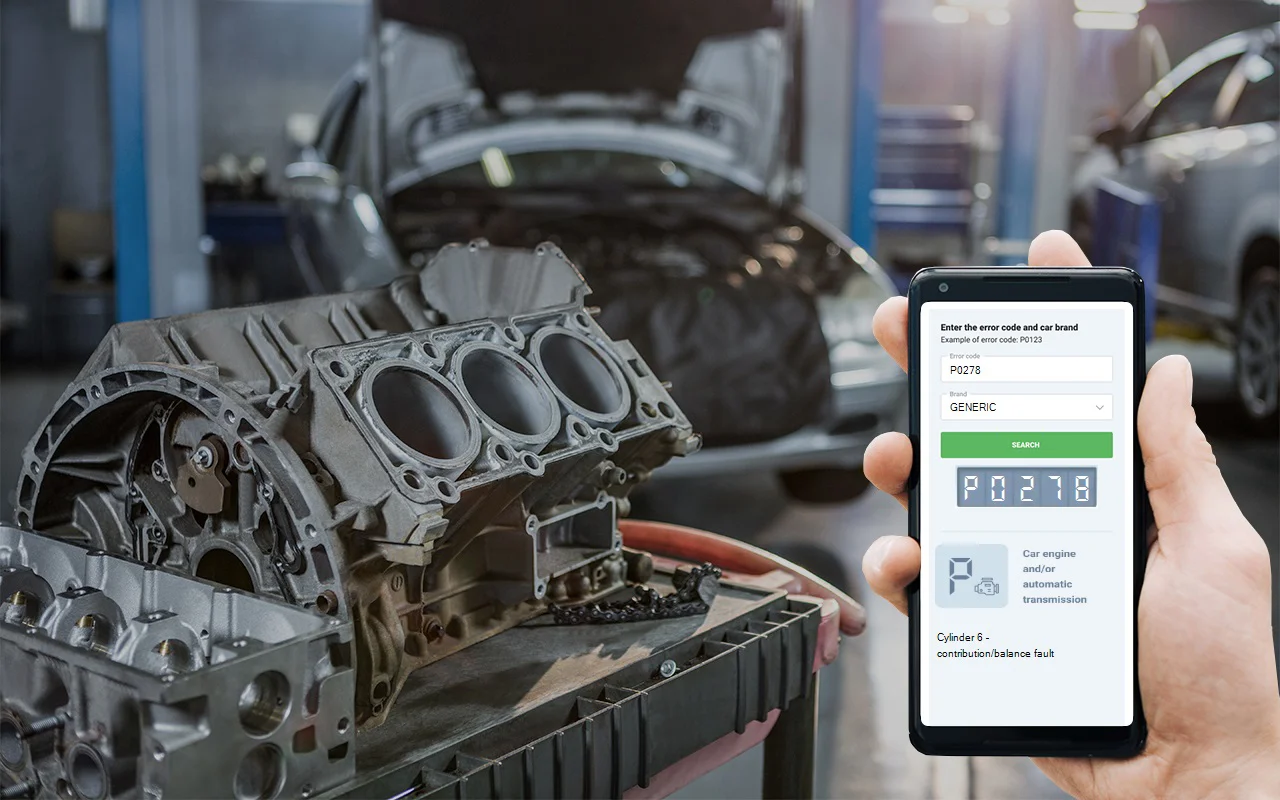
Common Mistakes when fixing P0278 trouble code
A classic mistake I see in the shop? Folks throw a new injector at the problem without checking the wiring or connector first. That’s an easy way to throw money down the drain if a loose pin or some corrosion is all that’s wrong. Another one: skipping the listening test with a screwdriver. If you don’t check for that injector click, you might miss a dead spot. Lots of people also forget to look up technical service bulletins for their vehicle-sometimes there’s a known problem or a special fix. And don’t forget the basics-fuel contamination or a gummed-up filter can cause all kinds of grief. Sometimes it’s the little stuff that trips you up the most.

Seriousness of obd code P0278
Trust me, this isn’t a code you want to brush off. Letting your engine run with a weak or misfiring cylinder can snowball into bigger headaches-think a fried catalytic converter, fouled spark plugs, or even internal engine damage if you let it go too long. Plus, you’ll burn more fuel and work the rest of the engine harder than it should. So, if you feel rough running, loss of pep, or see the check engine light, don’t wait-get it checked right away. Things can go bad fast if you ignore it.
Repair solutions for P0278 engine code
Here’s what usually gets a P0278 sorted out, based on what I’ve seen and what the manuals say:
- Clean or swap out the fuel injector for cylinder six
- Fix or replace any damaged wiring or connectors at the injector
- Flush the fuel system if you find contamination
- Look up and follow any technical service bulletins (TSBs) for your car
- Clear the code and take it for a test drive to make sure you’re in the clear
Conclusion
So, to wrap it up, P0278 means cylinder six is lagging behind-usually because its injector’s not up to snuff. Jump on it quickly and you’ll save yourself a lot of grief (and cash) down the road. Always start with the simple checks: wiring, connectors, listen for injector noise, and try cleaning before replacing anything. Don’t put off the repair-the best fix is a thorough, step-by-step approach to find and fix the real problem as soon as possible.