
Causes and P0287 trouble code diagnosis
From my time under the hood, and what the service manuals back up, the main reason for a P0287 is cylinder 9 running lean-just not getting the fuel it needs. Most often, here’s what’s behind it:
- Number one offender? A dirty or clogged fuel injector. It happens a lot, especially with older fuel or poor maintenance.
- Sometimes, the injector’s just dead-won’t open, won’t spray, nothing.
- Junk in the injector filter can choke off flow, too. Little bits of gunk sneak in and start causing trouble.
- Don’t overlook the injector’s electrical connector. Corroded pins or a loose wire can cause just as much grief as a clogged nozzle.
- Every now and then, I’ll see a wiring issue between the injector and the PCM, or a bad driver circuit.
Nine times out of ten, you’re chasing a fuel problem. But until you’ve checked the wiring and connectors, don’t rule out the electrical side.
Symptoms and P0287 engine code indicators
When you’ve got a P0287 giving you grief, you’ll usually notice a few red flags before you even hook up the scanner. Here’s what most folks (and I) run into:
- Check engine light is on-sometimes you’ll even see it flashing if things are really going sideways.
- That engine idle? Might feel rough, almost like it’s got the hiccups or it’s ready to stall out.
- She just doesn’t have the pep she used to-acceleration feels sluggish, and it’s like the engine’s holding back.
- Don’t be surprised if your fuel mileage takes a nosedive. The engine’s not firing cleanly, so it’s burning more fuel than it should.
Sometimes you’ll catch it hesitating or even misfiring, especially when you stomp on the gas.

Diagnosis steps for P0287
Here’s the playbook I follow when I’m chasing down a P0287 code:
- First up, get your eyes on the basics. Pop the hood and check out the wiring and connector at injector #9. Look for corrosion, bent or pushed-out pins, or anything that seems loose. The tiniest bit of green on a connector can cause headaches-don’t rush this step.
- Next, do the screwdriver trick. With the engine running, put the handle to your ear and the tip to the injector. You should hear a steady ticking. No tick? That injector’s probably dead in the water.
- After that, I check for power right at the injector. Grab a voltmeter and probe the power wire with the key on. If you’re not seeing battery voltage, you’re dealing with a wiring issue further up-could be a fuse, could be a break in the harness.
- If power’s good and the injector’s ticking but the engine still runs rough, I’m thinking it’s clogged. A professional-grade injector cleaning is the next step-run cleaner through the fuel rail (just be sure to relieve the pressure first). If you’re not comfortable with this, get a buddy or a pro to help.
- Still no love after cleaning, or if the injector’s silent? Time to swap in a new injector. Don’t forget to clear the code and take it for a spin to make sure you nailed it.
One last thing: always check for technical service bulletins (TSBs) for your ride. Sometimes automakers know about these quirks and have a shortcut fix or updated part that’ll save you hours.
Common mistakes with P0287 code troubleshooting
A classic mistake I see is folks jumping straight to buying a new injector before checking for a bad connector or a wiring fault. That’s a quick way to burn cash on parts you don’t need. Another one? Skipping the cleaning step. Sometimes all it takes is a good flush with the right cleaner. Don’t ignore TSBs, either-manufacturers sometimes have exact fixes or recall info for this code. And whatever you do, don’t clear the code before you’re sure the fix worked. Otherwise, you might find yourself right back at square one.

Seriousness of ignoring obd2 code P0287
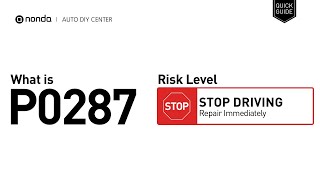
Trust me, this one’s not worth ignoring. Running with a cylinder that’s not firing right or running lean can send raw fuel into your exhaust, and that’s a fast track to killing your catalytic converter-a wallet-busting fix. Plus, you’ll end up with a rough engine, lousy fuel mileage, and maybe even a stall at the worst possible moment. If you notice power loss or rough running, don’t gamble on it getting better. Letting it slide can turn a small repair into a monster bill in no time.
Repair solutions for obd code P0287
Here’s what actually solves a P0287 in the real world, based on what I see on the job and what the manuals say:
- Give that fuel injector a good cleaning with the right kit and method.
- Fix or replace any injector connectors or wiring that look corroded, loose, or busted.
- If the injector’s still not working after cleaning, put in a new one.
- If there’s no power at the injector, you’ve got to track down and fix the wiring or fuse problem upstream.
- Once you’ve made the repair, clear the code and take the car for a test drive to double-check your work.
One last pro-tip: always look for TSBs or updated repair info for your exact make and model before you buy any parts. It might save you a lot of hassle.



Conclusion
Bottom line? A P0287 code means cylinder 9 isn’t doing its job, usually because it’s starved for fuel. Don’t let this one sit-fix it right away, or you could end up replacing pricey components like the catalytic converter. Stick to the basics: check the wiring, listen for injector noise, make sure there’s power, and clean or swap the injector as needed. The best way to win with this code is to work step-by-step and not skip the simple stuff. If any of this is outside your comfort zone, don’t be shy-bring in a pro. Your engine (and your wallet) will thank you for it.

 5618
 6 minutes of reading