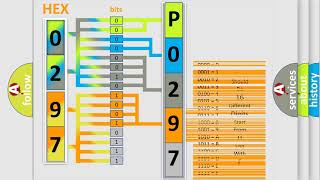
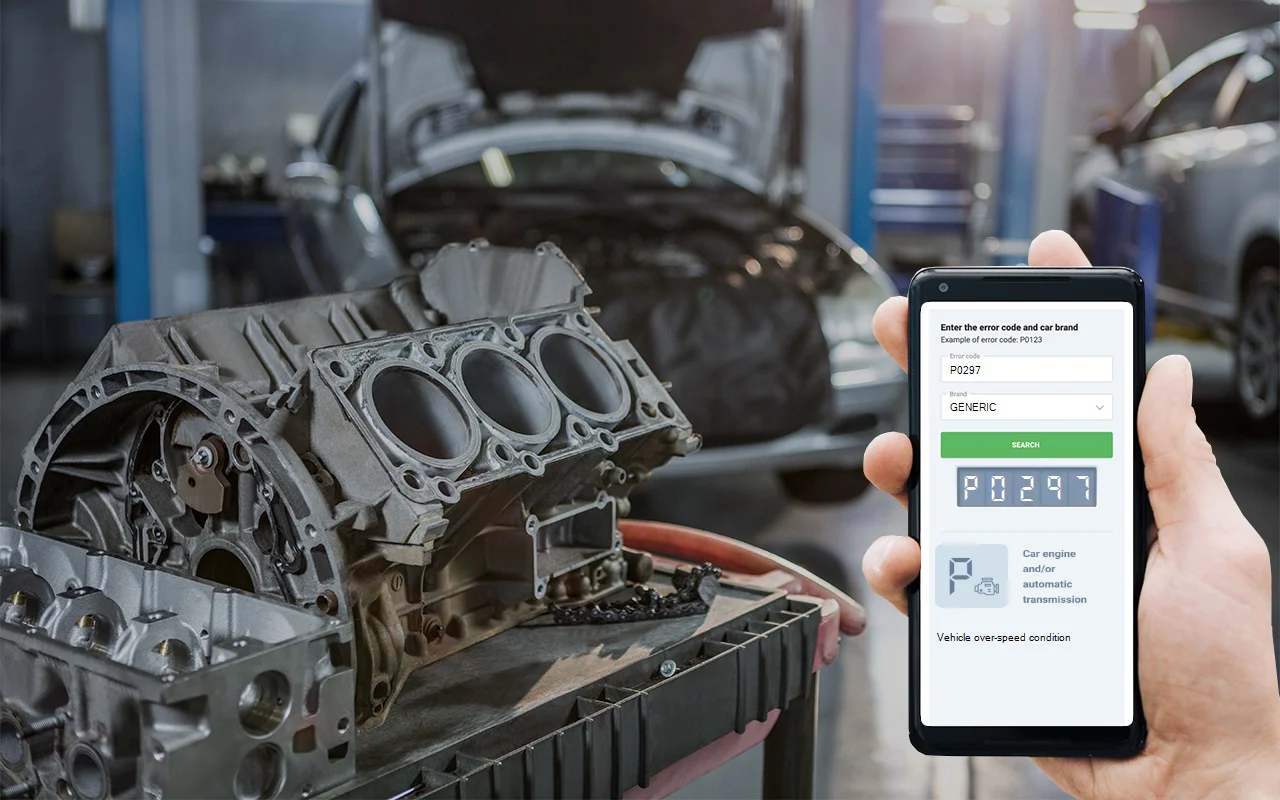
When you see a P0297 code pop up, you're dealing with what's known in the trade as a “Vehicle Overspeed Condition.” In plain shop talk, your car’s computer-usually the PCM-has gotten word from the vehicle speed sensor (VSS) that you’ve gone faster than the maximum speed the manufacturer set. The VSS is basically the sentry watching how fast your wheels are spinning by reading a toothed ring in the transmission. If you blow past that preset speed, the PCM logs this code and may even start taking action to protect the engine and transmission. Sometimes, it’ll cut fuel to keep things under control. This entire setup is there to keep the powertrain safe from your heavy right foot or any accidental lead-foot moments. Believe me, it’s not just about protecting the car; it’s a safety net for you, too.
DTC P0297
 4189
4189 5 minutes of reading
Causes of P0297 trouble code
From my years in the garage, here’s what usually triggers a P0297 code:
- You’ve actually gone faster than the car’s factory-set speed limit-maybe on a closed course, or sometimes without even realizing it.
- Lots of wheel spin, especially on ice, snow, or slick blacktop. What often happens is the computer mistakes spinning tires for overspeeding wheels.
Less often, I’ll see a faulty vehicle speed sensor or a wiring hiccup fooling the computer into thinking you’re speeding when you’re really not. But honest truth? That’s pretty rare in my experience.
Symptoms of dtc P0297
If your car’s flashing a P0297, here’s what you’ll likely run into:
- Check engine light comes on and stays put-no getting around that.
- The car might suddenly feel sluggish, like it’s holding back or not letting you put the power down. That’s the fail-safe mode, stepping in to protect your drivetrain.
You might not notice much else, but don’t let the lack of drama fool you-this code is your car’s way of saying, “Hey, something’s not right.”

Diagnosis process for obd2 code P0297
When I’m tracking down a P0297, I like to do things in a certain order:
- First question I ask: Has the car been let loose at high speeds lately? Sometimes, it really is just a case of hitting the speed limiter.
- Next, I want to know what kind of roads you’ve been on. Driving on ice, gravel, or wet leaves? Wheel slippage can easily set this code off.
- Then I grab my scan tool and check the live data from the VSS. I’m looking for odd spikes or numbers that just don’t jive with how the car’s actually moving.
- If the readings look fishy, I get under there and check the speed sensor and wiring for any signs of damage, loose connections, or corrosion. A little rust on a connector is all it takes sometimes.
- When everything looks solid, I clear the code and take the car for a careful test drive, keeping an eye on the speed readings and watching for the code to come back.
Here’s a pro-tip: bring a buddy along for the test drive so you can focus on your scan tool and the road. And don’t forget to check the repair manual for your specific model-manufacturers love throwing in little quirks that can trip you up.
Common mistakes when fixing a P0297 code
After seeing plenty of these, a few repeat mistakes come to mind:
- Swapping out the speed sensor right off the bat, without checking if the car actually went over the speed limit or if the wheels spun on a slick spot.
- Overlooking the chance that weather or road conditions (like ice or loose gravel) could be the real troublemaker.
- Skipping a close inspection of wiring and connectors. I’ve lost count of how many times a little green corrosion or a broken wire was the real culprit.
Start with the basics before you reach for the parts catalog. It saves time and money-trust me.

Seriousness of obd code P0297
This isn’t a code to brush off. While it might just seem like a heads-up, fail-safe mode can suck away your power when you least expect it, and if the underlying problem is a bad sensor or wiring fault, you could be in for more headaches down the line. Keep driving with this code hanging around, and you’re rolling the dice with your engine, transmission, or even your own safety. Things can get ugly fast if you ignore it.
How to repair a P0297 engine code
From my time in the shop and what the service bulletins say, here’s what usually sorts out a P0297:
- If you really did hit the speed limiter, just clear the code and drive within the limits-problem solved.
- If you’ve been doing burnouts on ice or spinning tires on slick pavement, ease up and see if the code returns.
- Find any damaged speed sensor or rough wiring? Replace or repair it, and make sure all the connectors are clean and tight.
- Once you’ve fixed the root cause, clear the code and take the car for a spin to see if it stays gone.
On the rare occasion, you might need to reflash or update the PCM, but that’s not something I see every day.
Conclusion
Bottom line: P0297 means your car thinks it’s been pushed past its safe speed or the wheels have spun way more than they should. Don’t just shrug it off-it’s a warning you need to handle before it leads to power loss or real trouble. Double-check your driving habits and the road conditions first, then move on to inspecting the speed sensor and wiring. Most times, once you get to the bottom of it and clear the code, you’re back in business. Don’t wait-handle it now before it turns into a real headache down the road.