
Causes and P029C engine code troubleshooting
From my time under the hood, here’s what usually causes a P029C code to rear its head:
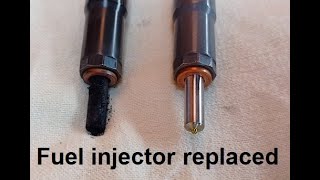
- The classic culprit is a faulty or clogged fuel injector for cylinder 1-most times it’s just old varnish, carbon buildup, or the injector itself breaking down inside.
- I’ve tracked it to wiring issues plenty of times, like a broken wire, a short, or a corroded connector-it doesn’t take much to throw things off.
- Sometimes, a bad oxygen sensor will send the PCM on a wild goose chase by feeding it bogus data.
- Every now and then, I’ll find a glitchy PCM or a programming hiccup, though it’s not nearly as common.
- Don’t overlook a flaky MAF or MAP sensor-if those are reading wrong, the whole fuel calculation gets scrambled.
Honestly, 9 times out of 10 it’s the injector or its wiring, but every once in a while something else surprises you. Always check the whole picture before you start swapping parts.
Symptoms of obd code P029C you should watch for
When this code’s active, here’s what I usually notice-and what you should keep an eye (or ear) out for:
- Engine’s running rough, especially when you’re just idling or if you give it some gas-doesn’t sound or feel right.
- Power drops off; you’ll hit the pedal and the car just won’t want to move like it should.
- Watch your wallet-fuel economy tanks, and you’ll be filling up more often.
- The check engine light? That’s almost always shining bright.
- Don’t be surprised if you see extra codes, like a misfire or lean condition tagging along for the ride.
If any of that sounds familiar, your fuel delivery’s probably got an issue that needs attention.

Diagnosis steps for obd2 code P029C
Let me walk you through how I’d tackle diagnosing a P029C:
- First thing, I always start with a good old-fashioned visual check around the fuel rail and cylinder 1 injector. Leaks, crusty connectors, loose plugs-sometimes the problem’s staring you in the face.
- Next, I grab the scanner and pull all the codes, plus freeze frame data. If there are other codes (like for MAF or MAP sensors), those get handled first-fixing those might clear P029C on its own.
- Once I clear the codes, I’ll take the car for a test drive, see if the code returns. If it does, I use the scanner’s data to check injector balance and confirm cylinder 1’s really the offender.
- With the engine running, I break out the mechanic’s stethoscope-listen for a steady, rhythmic click at the injector. If it’s silent or erratic, something’s up.
- If the sound’s off, I move on to electrical checks-a digital meter lets me check voltage and ground at the injector plug. No voltage? Time to check fuses and relays, especially under load with the engine running-fuses can trick you when the car’s off.
- If fuses and wiring look good, then I’ll trace everything back to the PCM or even the ignition switch, depending on what the circuit requires.
If you’re tackling this at home, a second set of hands helps-especially listening for injector noise or checking fuses while the engine’s running. And don’t forget: be extra cautious around high-pressure fuel systems. Safety first.
Common mistakes when fixing P029C
A classic mistake I see? Folks jump straight to swapping out the injector, forgetting to check the wiring or look for other codes first. Overlook a MAF or MAP code and you’ll be chasing your tail for hours. Even little things-a loose connector or a fuse that blew-can be the root cause. Skipping those basics? That’s how you end up wasting time and money.

How serious is dtc P029C for your engine
Don’t let this one slide. Running with a bad or restricted injector means your engine’s running lean, and that’s a recipe for disaster. I’ve seen engines melt pistons, burn valves, or even grenade the whole block from something as simple as a neglected injector. Bottom line: ignore this too long and you’re asking for a world of trouble. It’s just not worth the risk.
Repair options for the P029C code
When it comes to fixing P029C, here’s what’s worked in my shop:
- If the injector’s clogged or faulty, replace it or have it professionally cleaned-no shortcuts here.
- Chase down and repair (or replace) any damaged wiring or crusty connectors in the injector’s circuit.
- If your O2 sensor’s feeding the computer bad info, swap it out for a good one.
- PCM acting up or has a software glitch? Sometimes a reflash or update is the answer.
- If tests point to a bum MAF or MAP sensor, replace that too.
I always start with the injector and wiring-nine times out of ten, that’s where the gremlin’s hiding.


Conclusion
So, here’s the bottom line: P029C means your PCM’s caught a problem with cylinder 1’s injector-most often a restriction or outright failure. Don’t brush this off. Left unchecked, you’re flirting with serious engine damage. The smartest move? Start with a thorough inspection and testing of both the injector and its wiring. If those check out, then move on to sensors and the PCM. The sooner you get this handled, the better shot you have at keeping your engine running strong. Trust me-addressing it early will save you a ton of headaches down the road.

 4369
 5 minutes of reading