
Main Causes and P029D Engine Code
From my time wrenching on these systems, and what the manuals show, the most frequent reasons behind a P029D code are:
- A faulty or leaking fuel injector on cylinder #1-nine times out of ten, this is where I find the issue.
- Wiring problems in the injector circuit-sometimes it’s just a frayed wire or a bad connection causing all the fuss.
- A failing oxygen sensor-if it’s sending bogus info to the PCM, things can go sideways fast.
- PCM issues or the rare software hiccup-these don’t happen often, but I’ve seen it enough not to rule it out.
- A problematic mass air flow (MAF) or manifold air pressure (MAP) sensor-when these go haywire, your air/fuel mix is toast.
Nine times out of ten, the issue’s with the injector or its wiring, but I always give the sensors a once-over-never hurts to be thorough.
Common Symptoms with P029D Code
If you’re dealing with a P029D, here’s what usually shows up:
- The engine feels like it’s lost its edge-sluggish acceleration or just plain weak response.
- Gas mileage takes a nosedive-suddenly you’re filling up more than usual.
- The check engine light shows up, sometimes along with codes pointing to lean running or misfires.
- A rough idle or choppy performance, especially when you put the engine under a little strain.
Sometimes, you might not spot anything obvious right away, but trust me-ignore it, and things will get ugly in a hurry.

Step by Step Diagnosis Using OBD2 Code P029D
Let me walk you through how I get to the bottom of a P029D code in the shop:
- First move: I always start by eyeballing the fuel rail and injector for cylinder #1. Look for leaks, greenish corrosion, or any physical damage. Sometimes the answer’s staring you right in the face.
- Next, I plug in the scan tool and pull all the codes-including freeze frame data. This gives me the who, what, and when, plus flags any related codes (especially for MAF or MAP sensors). Always tackle those first if they’re there.
- Clear the codes and take the car for a spin. If P029D comes back immediately, you know the issue’s still lurking.
- With the engine running, I’ll grab my mechanic’s stethoscope and listen to the injector. You want to hear a crisp, steady click. If it’s quiet, erratic, or just sounds off compared to the others, you’ve likely found your culprit.
- If the injector sounds fine, time to break out the volt/ohmmeter and check for proper voltage and ground at the connector. Most setups give you battery voltage on one side, and a pulsed ground from the PCM on the other. No voltage? Check the fuses and relays. And here’s a pro-tip: test fuses with the engine running-some only fail under load.
- If the wiring checks out but the problem sticks around, I’ll compare the injector’s resistance readings to the rest, and if I’m still stumped, I’ll swap injectors between cylinders to see if the code follows the part.
If you’re not confident poking around the fuel system, get a buddy who knows their stuff. And always respect the pressure-fuel systems aren’t forgiving if you’re careless.
Common Mistakes When Fixing OBD Code P029D
A classic mistake I see is folks going straight to swapping out the injector without even glancing at the wiring or checking the sensors. Another one? Ignoring codes for the MAF or MAP sensors-those can throw the same symptoms and need to be handled first. Don’t forget those fuses and relays, either, and remember: test them under load, not just with the engine off. Skipping these basics often leads to wasted money and time chasing your tail.

How Serious Is the P029D Trouble Code
This code isn’t one you want to gamble with. Running lean can heat things up fast, warp cylinder heads, or-worst case-spell the end for your engine. I’ve seen minor injector leaks turn into wallet-busting repairs because someone waited too long. Honestly, if you keep driving with P029D showing, you’re rolling the dice on a breakdown or major engine damage. Don’t risk it.
Effective Repair Solutions for P029D
Here’s what’s fixed P029D for me, time and again, following both real-world experience and OEM guidance:
- Swap out or repair the faulty injector on cylinder #1 if it’s leaking or shot.
- Fix any busted wiring or bad connectors on the injector circuit.
- Replace a failing oxygen sensor if it’s sending bad signals.
- If you’ve got codes for the MAF or MAP sensors, handle those first-they can throw things off, too.
- In rare situations, you might need to update or reflash the PCM if it’s a known software bug.
Stick to quality parts and follow every safety step when working on the fuel system-no shortcuts here.

Conclusion
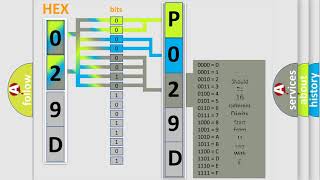
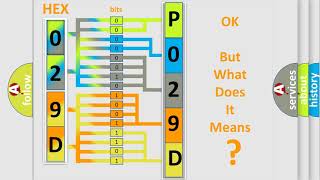
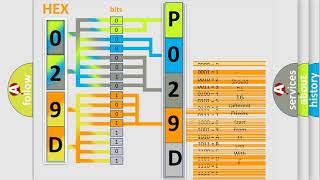
To wrap it up, P029D means there’s trouble with the fuel injector on cylinder #1-usually a leak or malfunction leaving things running lean. Don’t let this slide; ignoring it is a fast track to engine trouble. Start with the basics-look for leaks, check the wiring-then dig deeper if you have to. Getting to the real cause quickly is your best bet to keep your engine healthy and avoid bigger, pricier headaches down the road.

 4208
4208 6 minutes of reading