
Causes of P02A2 trouble code
From what I’ve seen in the shop and based on the official repair info, the most common reasons for a P02A2 code are:
- A faulty or leaking fuel injector for cylinder 3-this is the top culprit in most cases.
- A weak or failing fuel pump that can’t keep up with demand.
- Vacuum leaks in the engine, including issues with the EGR valve or cracked hoses.
- A bad oxygen sensor giving the computer the wrong info about the air-fuel mix.
- Problems with the mass air flow (MAF) sensor or manifold air pressure (MAP) sensor, which can throw off the fuel calculations.
Most often the issue is with the injector or a vacuum leak, but it’s important to check everything on this list to be sure.
Symptoms of obd code P02A2
If you’re dealing with a P02A2 code, here’s what you’re likely to notice from behind the wheel:
- The engine just doesn’t have its usual power-acceleration feels sluggish.
- It might take longer to start, or you could have to crank it a few times.
- You could see other warning lights or codes related to a lean fuel mixture or even misfires.
- Sometimes, you’ll feel the engine running rough, especially at idle or under load.
From experience, these symptoms can sneak up on you, so don’t ignore them if you notice anything out of the ordinary.

Diagnosis process for obd2 code P02A2
Here’s how I’d go about tracking down the root cause, step by step:
- First, I always check for any other codes, especially ones for the MAF or MAP sensors. If those are present, I tackle them first-they can cause all sorts of headaches.
- Next, I pop the hood and do a thorough visual inspection around the intake manifold. I listen for any hissing sounds that could mean a vacuum leak, and I check all the hoses and lines for cracks or loose connections. Pay special attention to the PCV lines and the edges of the intake manifold gasket.
- Then, I take a close look at the fuel injector for cylinder 3. If it’s wet with fuel or looks damaged, that’s a big red flag. Sometimes, swapping it with another cylinder can help confirm if it’s the problem.
- If nothing obvious turns up, I grab a scan tool and pull all the codes and freeze-frame data, then clear the codes and take the car for a test drive to see if they come back.
- With the scan tool, I watch the live data from the oxygen sensors to see if the engine is really running lean.
- If it is, I check the fuel pressure using a proper gauge. If the pressure is low, I check the fuel pump, the relay, and the fuel filter for issues.
- If the fuel pressure is good, I move on to testing the injector circuit with a voltmeter-making sure it’s getting power and a ground signal from the PCM. I also use a mechanic’s stethoscope to listen for the injector clicking. If it’s silent or erratic, it’s likely faulty or clogged.
- Finally, I check all the relevant fuses and relays under load, since a weak fuse can sometimes pass a visual check but fail when the system is working hard.
It’s best to have someone assist you during these checks, especially when listening for vacuum leaks or injector operation.
Common mistakes when fixing P02A2 code
One thing I see too often is folks jumping straight to replacing the oxygen sensor or injector without checking for vacuum leaks or fuel pressure first. Another common slip-up is overlooking a clogged fuel filter or a weak fuel pump, which can cause the same symptoms. Don’t forget to check all the wiring and connectors-sometimes it’s just a loose plug or a corroded terminal. Skipping these steps can lead to wasted time and money.

Seriousness of dtc P02A2
Honestly, this is not something you want to put off. Running a cylinder too lean can quickly lead to serious engine damage-think burnt valves, melted pistons, or even a ruined catalytic converter. This is a serious hazard, and things can go south quickly if overlooked. If you keep driving with this code active, you’re risking expensive repairs down the line, and in some cases, the engine could even fail completely. The risks just aren’t worth it.
Repair solutions for P02A2
Based on what’s worked in the field and official service procedures, here’s what usually fixes a P02A2 code:
- Replacing or cleaning a faulty or clogged fuel injector for cylinder 3.
- Repairing any vacuum leaks-this could mean replacing cracked hoses, fixing the intake manifold gasket, or servicing the EGR valve.
- Replacing a weak fuel pump or a clogged fuel filter if fuel pressure is low.
- Swapping out a bad oxygen sensor if it’s giving false readings.
- Repairing or replacing faulty wiring, connectors, fuses, or relays in the injector circuit.
- Addressing any issues with the MAF or MAP sensors if they’re involved.
It’s important to follow the diagnostic steps in order and confirm the fix before clearing the code for good.


Conclusion
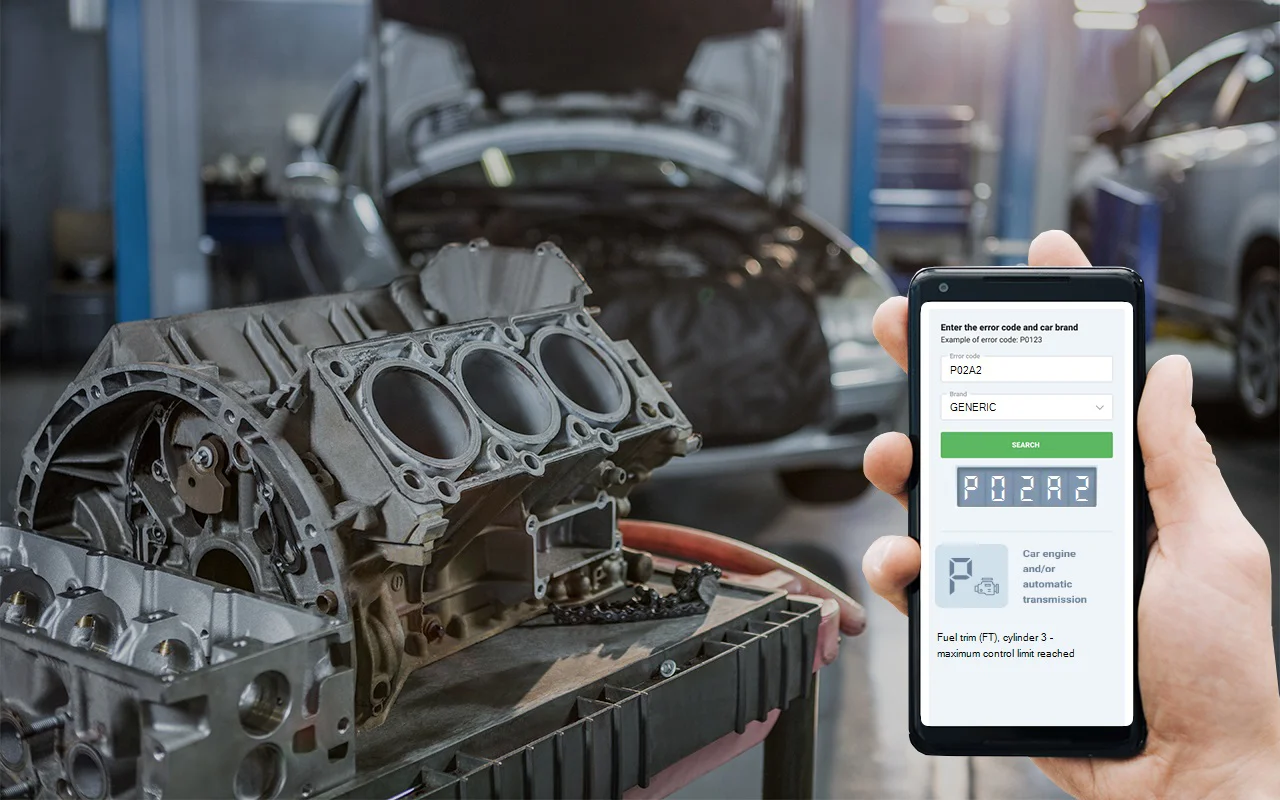
To sum it up, P02A2 means your engine’s computer has detected that cylinder 3 is running dangerously lean. This isn’t just a minor annoyance-it’s a high-priority issue that can cause major engine damage if ignored. The most reliable way to fix it is to start with the basics: check for vacuum leaks, test the fuel injector, and confirm fuel pressure. Don’t skip steps or guess at parts. If you catch it early and follow a methodical diagnostic path, you’ll save yourself a lot of trouble and expense. My advice: don’t delay-get this checked out and fixed as soon as possible.
 5521
5521 6 minutes of reading