
Common Causes and P02D0 Trouble Code Explained
From what I see most often in the shop, there are a handful of usual suspects behind P02D0. Here’s what tends to trigger this code:
- Vacuum leaks-these let in unmeasured air and throw off the fuel mix.
- Clogged or dirty air filter-restricts airflow and messes with engine breathing.
- Cracked intake hose or manifold-lets in extra air where it shouldn’t.
- Faulty cylinder 3 fuel injector-either stuck, clogged, or electrically failing.
- Leaking or damaged intake gaskets, PCV, or EGR system parts.
- Worn or broken piston rings-lets combustion gases escape and affects performance.
- Head gasket problems-can cause all sorts of weird running issues.
- ECM (engine computer) issues-rare, but possible if there’s water damage or internal faults.
In my experience, vacuum leaks and injector problems top the list, but it’s important to check everything.
Recognizing Symptoms with the P02D0 Engine Code
When this code is active, you’ll probably notice a few things aren’t right. Here’s what drivers usually report:
- Poor fuel economy-seems like you’re filling up more often.
- Engine misfires or rough running-especially at idle or under load.
- Loss of power or sluggish acceleration.
- Check Engine Light is on, sometimes flashing.
- Strong fuel smell, especially at startup or idle.
- Excess exhaust smoke when accelerating.
- Throttle feels less responsive than usual.
If you’re seeing any of these, especially together, it’s a good sign something’s up with the fuel delivery on cylinder 3.

Effective Diagnosis Steps for the P02D0 Code
Here’s how I’d go about tracking down the root of P02D0, step by step:
- First, I always check for Technical Service Bulletins (TSBs) for your specific make and model-sometimes there’s a known issue or updated fix.
- With the engine running, I listen carefully for any hissing or whistling that points to a vacuum leak. Sometimes it helps to have someone rev the engine while you listen. If you have a vacuum gauge, check the readings and compare them to what’s in your service manual.
- Next, I pull the air filter and check if it’s clogged or dirty. If it looks packed with dirt or collapsed, swap it out before moving on.
- Then, I visually inspect all the intake hoses and manifold for cracks, splits, or loose connections. Don’t forget to check the PCV and EGR system hoses and gaskets.
- I take a close look at the wiring and connectors for injector 3. These are often exposed to moisture and grime, so clean away any debris and look for corrosion or loose pins.
- If you have access to a scan tool, monitor the injector operation live. Look for any erratic readings or misfires on cylinder 3. If you suspect the injector, you might try swapping it with another cylinder to see if the problem follows.
- Finally, I check the ECM itself for signs of water intrusion or corrosion, especially if it’s mounted in a spot that could get wet. Any signs of damage here should be handled by a pro, since reprogramming or replacement is a big job.
It’s best to start with the simple stuff-air leaks and filters-before diving into the more technical checks.
Common Mistakes to Avoid When Dealing with DTC P02D0
One thing I see too often is folks jumping straight to replacing the injector without checking for vacuum leaks or intake issues first. Another common slip-up is ignoring the wiring and connectors-corrosion here can mimic a bad injector. Also, don’t forget to check for TSBs; sometimes there’s a software update or known fix that gets missed. Skipping the basics can lead to wasted time and money.

Understanding the Seriousness of OBD2 Code P02D0
This isn’t a code you want to ignore. When the injector adaptation hits its limit, your engine isn’t running efficiently, and that can lead to bigger problems fast. You risk damaging the catalytic converter, fouling spark plugs, or even causing internal engine wear if it’s left unchecked. Honestly, things can go south quickly if you keep driving with this issue-fuel economy drops, emissions go up, and drivability suffers. It’s a moderate to high risk, so don’t put this off for later.
Best Repair Solutions for P02D0
Here’s what usually fixes P02D0, based on what I’ve seen and what the manuals recommend:
- Repair or replace any vacuum leaks-hoses, gaskets, intake manifold, or PCV/EGR parts.
- Replace a clogged or dirty air filter.
- Fix or replace cracked intake hoses or manifolds.
- Clean or replace the cylinder 3 fuel injector if it’s faulty.
- Address any wiring or connector issues at the injector-clean, repair, or replace as needed.
- If there’s evidence of ECM water damage or failure, have it professionally diagnosed and replaced or reprogrammed.
- For deeper engine issues (like worn piston rings or head gasket leaks), further engine repair may be needed, but that’s less common.
Most often, fixing leaks and cleaning up the injector circuit solves it, but every case is a little different.



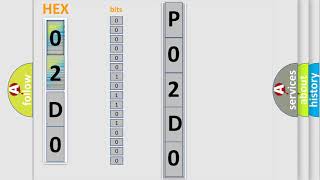
Conclusion
To sum it up, P02D0 means your engine’s computer can’t adjust injector 3 enough to keep things running right. It’s usually caused by air leaks, injector problems, or intake issues. The risk is real-ignoring it can lead to costly repairs and poor performance. I recommend starting with a thorough check for vacuum leaks and intake problems, then moving on to the injector and wiring. Don’t delay-getting this fixed promptly is the best way to avoid bigger headaches down the road.
 5822
5822 5 minutes of reading