
Causes of P02D5 trouble code
From my time in the shop, I can tell you that p02d5 usually shows up when the injector for cylinder 5 is being pushed to its limit, often trying to keep up with something else that’s off. Here’s what I see most often causing headaches for folks:
- Vacuum leaks-these sneak unmetered air into the system and make a mess of the air-fuel ratio.
- Air filter that’s clogged or filthy-restricts the airflow and throws everything out of balance.
- Cracked intake hoses or manifold-lets in air where it absolutely shouldn’t be.
- Leaky or blown head gasket-can turn mixture problems into a nightmare.
- ECM going haywire-rare, but it happens.
- Fuel injector on cylinder 5 gone bad-could be clogged, stuck, or have electrical gremlins.
- Piston rings that are worn out-leads to poor compression and fuel mixture issues.
- PCV or EGR gaskets leaking-yet another way for unwanted air to get where it shouldn’t.
Honestly, vacuum leaks and injector problems are at the top of the list in my book, but I never skip the simple stuff first.
Symptoms of obd2 code P02D5
If your car’s showing a P02D5, you’ll likely notice some changes in how it drives. Here’s what drivers typically tell me when they bring their car in with this code:
- Poor fuel economy-you’ll find yourself at the pump more than usual.
- Misfires-engine stumbles, shakes, or acts rough, especially when idling or accelerating.
- Loss of power-the car just feels sluggish, like it lost its edge.
- Raw fuel smell-sometimes you’ll catch that unmistakable fuel odor, especially around the tailpipe.
- Check Engine Light-no surprises here, and it won’t go away until you fix the root cause.
- Rough running-engine sounds or feels off, maybe even louder than you remember.
- Heavy exhaust smoke-often more noticeable when you hit the gas hard.
- Slow throttle response-the car’s lazy to respond when you step on it.
Usually, it’s not just one symptom-if you spot even a couple of these, it’s time to dig deeper.

Diagnosis steps for P02D5 code
When I’m tracking down a P02D5, I like to start with the basics and move up from there. Here’s how I’d walk you through it:
- With the engine running, listen carefully for vacuum leaks. Sometimes it’s a faint hiss or whistle-don’t ignore it. If you’ve got a vacuum gauge, check your readings and compare to the specs for your car.
- Next, pop out the air filter. If it looks dirty, sunken, or even questionable, swap it out. It’s a cheap fix that solves a lot of problems.
- Inspect all the intake hoses and the manifold. Look for cracks, loose clamps, or anything out of place. Don’t forget about the PCV and EGR gaskets-small leaks here can cause big headaches.
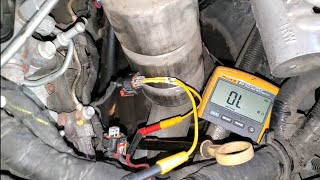
- Move on to the number 5 injector. Check the wiring and connectors-corrosion, dirt, or moisture are common here. Blast out any gunk with compressed air if needed.
- If you’ve got access to a scan tool, monitor that injector’s performance live. Look for weird readings, big drops, or no signal at all.
- Finally, check the ECM itself for signs of water or physical damage. If you spot moisture or corrosion, that’s specialist territory-the dealer or a pro needs to step in for programming or replacements.
It really helps to have a second pair of hands, especially when chasing down leaks or watching live data. Always double-check your work before moving to the next step-missing something small can cost you time and money.
Common mistakes when fixing P02D5 engine code
A classic mistake I see all the time is folks jumping right to swapping out injectors or even the ECM-big, expensive moves-without checking the basics. Here’s where people go wrong:
- Overlooking vacuum leaks-number one on the list and easy to miss if you’re in a hurry.
- Ignoring a filthy air filter-it’s simple, but it can throw off the whole system.
- Skipping a close look at injector wiring and connectors for corrosion or moisture.
- Assuming the ECM is toast without ruling out other causes-truth is, ECM failures are rare and costly to fix.
- Not checking for Technical Service Bulletins (TSBs) that might point to a known, easy fix for your make and model.
Pro-tip from the garage: Always rule out the simple stuff first before you start ordering pricey parts.

How serious is dtc P02D5
I’ll be straight with you-this isn’t a code you can just ignore and hope it goes away. When the ECM gives up on adapting the injector, your engine is running out of its safety net. Keep driving like this, and you risk frying your catalytic converter, ruining your oxygen sensors, or even doing real damage to the engine itself-especially if you’ve got a misfire or raw fuel dumping into the exhaust. Things can get bad in a hurry if you let it slide. In my eyes, this isn’t just a minor issue-it’s moderate to serious, and you should get it fixed sooner rather than later.
Repair options for P02D5
Once you’ve nailed down what’s causing the code, here’s what I usually do to set things right:
- Fix or replace any vacuum lines, intake hoses, or gaskets that are leaking.
- Swap out a dirty or clogged air filter.
- Clean or replace the number 5 fuel injector if it’s acting up-sometimes a pro cleaning does the trick, but often it’s best just to replace it.
- Repair or clean any dodgy wiring or connectors around the injector-get rid of corrosion, make sure everything is tight and dry.
- If the ECM is at fault, have a qualified tech inspect, reprogram, or replace it-don’t try to tackle this one yourself unless you know exactly what you’re doing.
- Deal with any internal engine issues, like worn piston rings or a failing head gasket, as needed.
After any repair, always clear the code and take the car for a good drive to confirm the fix. Don’t skip this step-it’s the only way to know for sure everything’s sorted.



Conclusion
So here’s the bottom line: P02D5 means your ECM has given up trying to adjust the injector for cylinder 5, and that’s your cue that something needs attention. Ignoring this code just leads to bigger, costlier headaches down the line. Start with the basics-vacuum leaks, air filter checks, and injector wiring-before you get into deeper waters. In my experience, methodical troubleshooting wins every time. Don’t wait around-get this sorted and your engine (and wallet) will thank you.
 4698
 6 minutes of reading