
Causes of P02EC code
From what I’ve seen in the shop, the most common reasons for a P02EC code are usually tied to electrical issues or mechanical faults in the intake air flow control system. Here’s what I typically find:
- A broken wire or open circuit going to the DIAFCS motor or control unit.
- A short to voltage or ground in the wiring harness for the DIAFCS.
- The DIAFCS motor or actuator itself has failed-this is honestly the most frequent culprit in my experience.
- Very rarely, the engine computer (PCM) itself could be the problem, but that’s not common at all.
It’s important to check both the electrical and mechanical sides, because either one can set off this code.
Symptoms associated with obd code P02EC
If you’re driving around with a P02EC code active, here’s what you might notice:
- The check engine light will definitely be on.
- The engine might only idle at a low speed and not want to rev up.
- You could see a flashing electronic throttle control warning on your dash.
- Sometimes, the diesel particulate filter (DPF) won’t regenerate properly, which means soot doesn’t get burned off and you could lose power.
From experience, most folks notice the warning lights first, but if you’re feeling a loss of power or rough idling, don’t ignore it.

Diagnosis steps for obd2 code P02EC
Here’s how I usually go about diagnosing this code, step by step:
- First, I always check for any technical service bulletins (TSBs) for your specific vehicle. Sometimes the manufacturer already knows about the problem and has a fix.
- Next, I locate the DIAFCS on your engine-it’s usually mounted right on the intake manifold. I give the wiring and connectors a good visual inspection, looking for things like frayed wires, melted plastic, or corrosion on the terminals.
- If I see any greenish color or burnt spots on the connector pins, I clean them up with electrical contact cleaner and a plastic brush, then let them dry and apply a dab of dielectric grease.
- If the code points to a mechanical issue, I’ll check for carbon buildup behind the throttle plate. I use a rag sprayed with intake cleaner to wipe it off-never spray directly into the intake, because that can cause bigger problems.
- After cleaning and checking connections, I clear the code with a scan tool and see if it comes back. If it stays away, it was probably just a bad connection.
- If the code returns, I break out the multimeter and check for proper voltage at the DIAFCS connector. With the key on (engine off), you should see 12 volts at the right pins-if not, there’s a wiring or power supply issue to fix.
- If all the wiring checks out but the code keeps coming back, it’s usually time to replace the DIAFCS actuator or motor. In rare cases, if that doesn’t fix it, the PCM might need attention, but that’s almost never the case.
It’s best to take your time and check each step-rushing can lead to missed problems.
Common mistakes when troubleshooting P02EC trouble code
One thing I see a lot is folks jumping straight to replacing expensive parts without checking the basics first. Don’t skip the visual inspection of the wiring and connectors-corrosion or a loose pin can be the whole issue. Another common mistake is spraying intake cleaner directly into the engine, which can actually cause more harm than good. Also, don’t forget to check for TSBs; sometimes there’s a known fix that saves a lot of time and money. Skipping voltage checks with a multimeter is another big one-guesswork here can get expensive fast.

Seriousness of P02EC engine code issues
While this code isn’t usually an immediate safety hazard, it’s not something you want to ignore. If the problem is mechanical, you could end up stuck with a low idle and no power-definitely not fun if you’re out on the road. If it’s electrical, the computer might compensate, but you risk clogging up your DPF and causing bigger issues down the line. Parts like the DPF, throttle actuator, and even the engine itself can be damaged if this goes unchecked. Don’t put this off for later-things can go south quickly if overlooked.
Repair procedures for dtc P02EC
Here’s what I typically do to fix a P02EC code:
- Repair or replace any damaged wiring or connectors going to the DIAFCS.
- Clean the throttle plate and intake area behind the DIAFCS actuator, but always use a rag-never spray directly into the intake.
- If the actuator or motor is faulty, replace it with a new OEM part.
- Clear the code and test drive to make sure it doesn’t come back.
- If all else fails and the code persists, check the PCM, but this is rarely needed.
It’s always best to follow the manufacturer’s testing procedures for your specific vehicle.


Conclusion
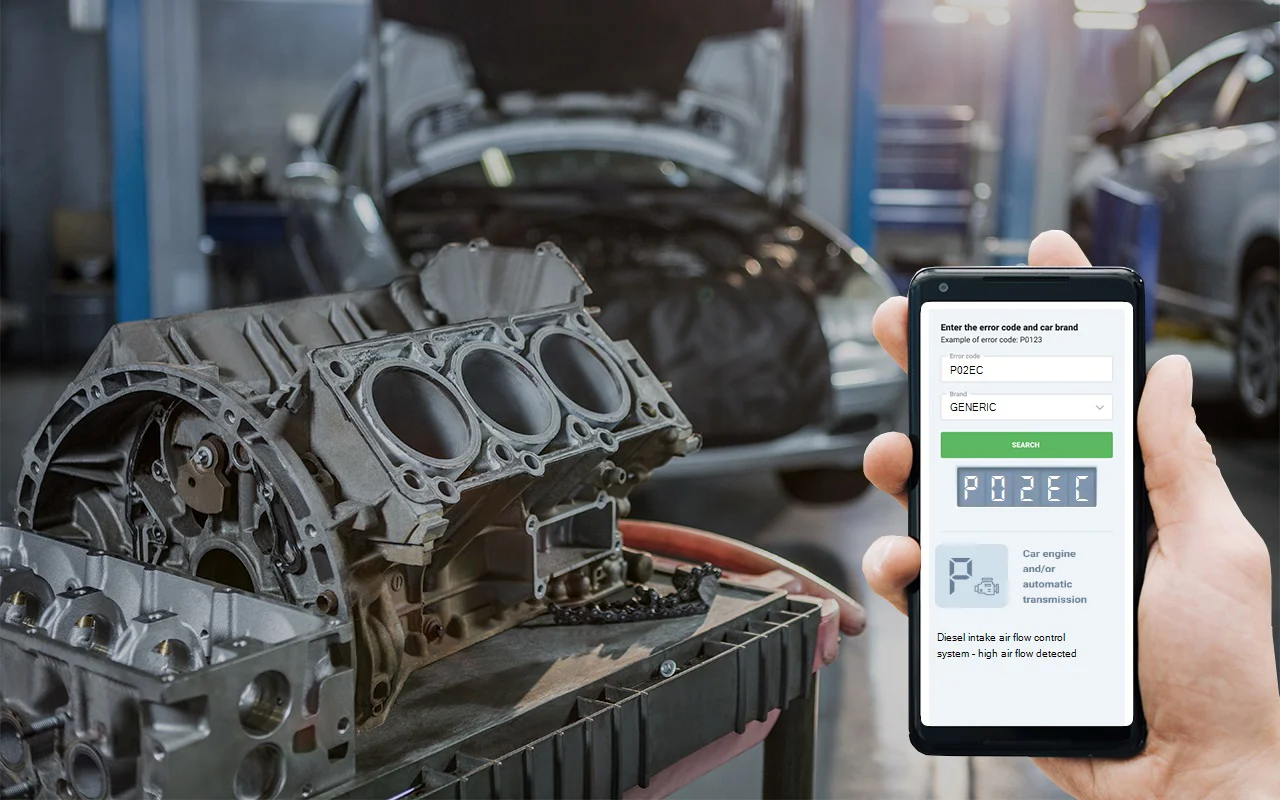
To sum it up, P02EC is a code that points to a problem with the diesel intake air flow control system-usually electrical or mechanical in nature. While it might not leave you stranded right away, it can cause low idle, power loss, and bigger issues if ignored. I always recommend starting with a careful inspection of the wiring and connectors, cleaning any buildup, and only replacing parts if you’re sure they’re the culprit. Acting quickly is the best way to avoid more expensive repairs down the road.
 4541
 6 minutes of reading