
P02ED trouble code Common Causes
From experience, the most common reasons I see for a P02ED code are issues with the wiring or the motor that controls the intake air flow. Here’s what usually causes it:
- A break or open circuit in the wiring going to the DIAFCS motor or control unit.
- A short to voltage or ground in the same wiring-sometimes caused by rubbing, melting, or corrosion.
- The DIAFCS motor or actuator itself failing-this is honestly the most frequent culprit in the shop.
- PCM (engine computer) failure is possible, but it’s pretty rare in my experience.
It’s important to remember that physical damage to the system or electrical faults can both set this code, so I always check both.
Obd2 code P02ED Symptoms and Warning Signs
When this code shows up, here’s what you’ll usually notice. First, the check engine light’s almost guaranteed to come on. Sometimes, there’s also a throttle control warning flashing on your dash. What I’ve often seen is the engine stuck at a low idle, refusing to rev up like normal. Another red flag: your diesel particulate filter (DPF) won’t regenerate properly, which can rob your engine of power and, if ignored, cause even bigger headaches down the line. If you spot any of these symptoms, there’s a good chance your airflow system isn’t doing its job.

P02ED Diagnostic Steps and Testing
Here’s how I usually go about diagnosing a P02ED code, step by step:
- First, I always check for any technical service bulletins (TSBs) related to this code for your specific vehicle. Sometimes the manufacturer already knows about a common issue and has a fix.
- Next, I locate the DIAFCS unit-it’s typically bolted to the intake manifold. I do a careful visual inspection of the wiring and connectors. Look for any signs of rubbing, bare wires, melted plastic, or corrosion. Don’t forget to check inside the connector for greenish corrosion or burnt pins.
- If the wiring looks good, I disconnect the connector and clean the terminals with electrical contact cleaner and a small brush. Let it dry and apply a little dielectric grease before reconnecting.
- If the code was triggered by a mechanical issue, I check for carbon buildup behind the throttle plate. I use intake cleaner sprayed onto a rag (never directly into the intake!) to wipe away any gunk. Spraying directly can cause more problems than it solves.
- After cleaning and checking the wiring, I clear the code and see if it comes back. If it does, I move on to electrical testing. With the key off, I disconnect the DIAFCS connector and use a digital voltmeter to check for proper voltage and ground at the harness. You should see 12 volts at the right pins-if not, there’s a wiring or power issue to fix.
- If all the wiring checks out but the code keeps returning, the DIAFCS motor or actuator is likely faulty and needs to be replaced. PCM failure is possible, but I only go there after everything else has been ruled out.
If you’re not comfortable with these checks, it’s best to have a qualified technician help out-especially since some steps require specific tools and know-how.
P02ED code Common Mistakes to Avoid
A classic mistake I see is folks jumping straight to swapping out expensive parts without checking the basics. Don’t underestimate a simple wiring issue or a dirty connector-these are often the real troublemakers. People also have a bad habit of spraying intake cleaner right into the engine, thinking it’s a shortcut. It’s not; that can cause misfires or even damage your catalytic converter. Always use a rag for carbon deposits, not a spray. And don’t skip checking for TSBs or using the correct wiring diagrams for your vehicle-you’ll save yourself a lot of grief by getting these basics right.

DTC P02ED Severity and Potential Risks
Now, P02ED usually isn’t going to leave you stranded on the side of the road, but it’s not something to brush off. If it’s a mechanical issue, you might just have to deal with low idle for a while. But if your DPF can’t regenerate, you’re heading for a clogged filter-that can mean a very costly repair. Once in a while, if you let electrical issues fester, you could be looking at bigger problems with your engine or emissions system. The DIAFCS actuator, wiring harness, and DPF are all at risk here. Bottom line? Don’t put this off-get to the bottom of it before things snowball.
P02ED engine code Repair Solutions
Here’s what usually fixes a P02ED code in my experience:
- Repair or replace any damaged wiring or connectors going to the DIAFCS unit.
- Clean the connector terminals and apply dielectric grease to prevent future corrosion.
- Remove carbon buildup from behind the throttle plate using intake cleaner and a rag.
- Replace the DIAFCS actuator or motor if it’s found to be faulty.
- In rare cases, reprogram or replace the PCM if all else fails (but only after confirming everything else is good).
Always follow the manufacturer’s procedures for your specific vehicle, and double-check for any TSBs that might apply.

Conclusion
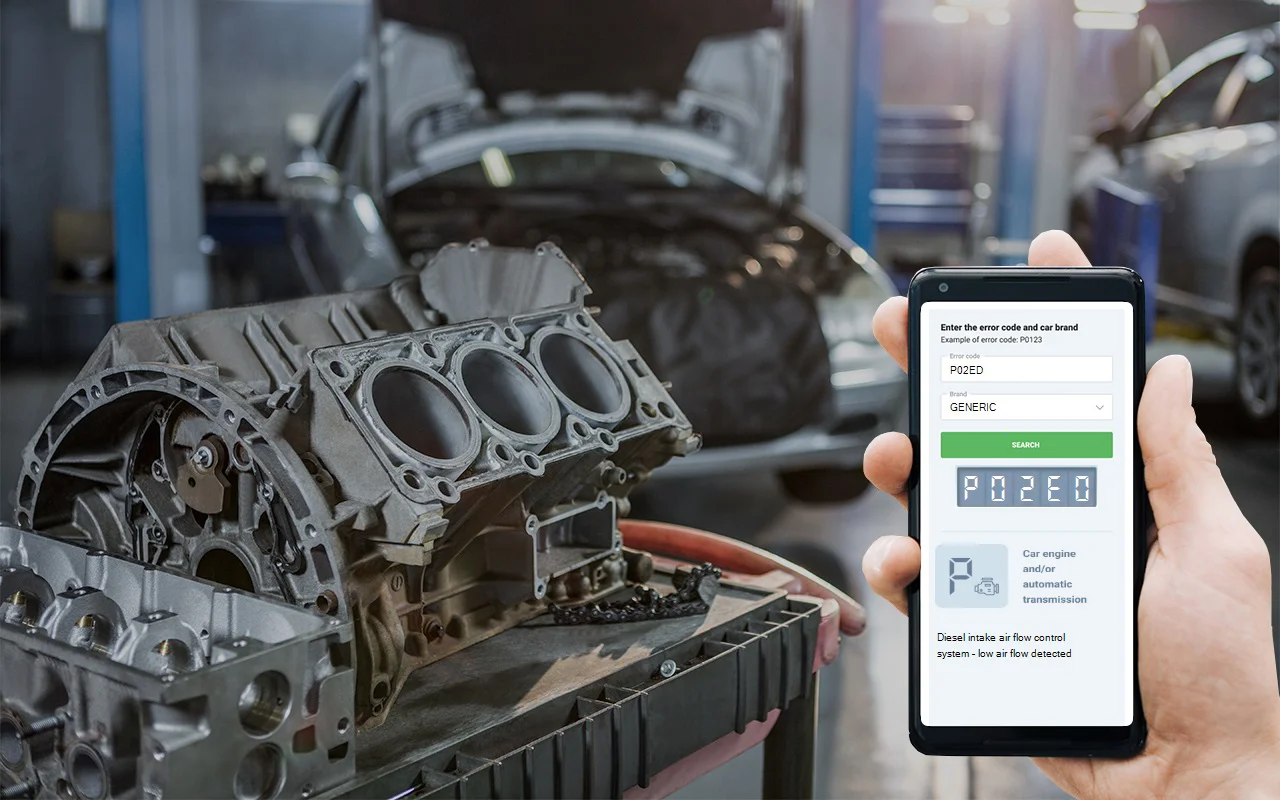
To sum it up, P02ED means your diesel engine’s air flow control system isn’t letting in enough air, usually because of a wiring issue, a faulty actuator, or carbon buildup. While it’s not the most dangerous code out there, it can lead to bigger problems if ignored-especially with your emissions system. I recommend starting with a careful inspection of the wiring and connectors, cleaning any buildup, and only replacing parts if you’re sure they’re bad. Acting quickly is the best way to avoid more expensive repairs down the road.
 4627
4627 6 minutes of reading