
Causes and obd code P02EF
From experience, the most common reasons for a P02EF code are pretty straightforward. Most often the issue is with the injector itself or the wiring that connects to it. Here’s what I usually find:
- A dirty or clogged fuel injector for cylinder 2
- A faulty (completely failed) fuel injector
- Broken, frayed, or shorted wiring going to the injector
- A loose, corroded, or damaged electrical connector on the injector
- Problems with the wiring between the PCM and the injector
In cases like this, it’s usually a bad connection or a dirty injector, but it’s always worth checking everything in the list. On vehicles such as Ford, Renault, this type of problem is also commonly reported, so it’s not limited to just one brand.
Symptoms and P02EF engine code
If you’ve got a P02EF code showing up, you’ll probably notice a few things while driving. Here’s what drivers usually report to me:
- The check engine light comes on and stays on
- The engine feels rough, especially at idle or when accelerating
- There’s a noticeable drop in power-like the car just doesn’t want to go
- Fuel economy takes a big hit, so you’ll be filling up more often
Sometimes the symptoms are subtle at first, but they can get worse quickly if you keep driving with this code active.

Diagnosis steps for dtc P02EF
When I’m faced with a P02EF code, there’s a specific routine I stick to, and it’s served me well:
- First up, I pop the hood and get eyes on the injector for cylinder 2. Your repair manual is your best friend here if you’re not sure which one’s number 2.
- I always start with the electrical connector-make sure it’s firmly clicked in, corrosion-free, and not packed with grime. Give it a gentle tug; if it slips off with no effort, you’ve found a problem.
- Unplug the connector and check for bent pins or greenish corrosion. If you see anything funky, clean it up and dab on a little dielectric grease before plugging it back in.
- Now, here’s a pro-tip: with the engine running, use a long screwdriver as a stethoscope. Put the tip on the injector and the handle to your ear. You should hear a rhythmic click. If it’s silent, that injector isn’t firing.
- No click? Time to pull out a voltmeter and check for power at the injector connector. If there’s no voltage, the issue’s upstream-could be a relay or wiring problem. If you’ve got power, use a test light or scope to confirm the PCM is pulsing the injector. If the signal’s there but the injector’s dead, it’s time for a replacement.
- If the injector checks out electrically but the engine’s still running rough, it might just be gummed up. Before you buy anything, try running a professional-level injector cleaning kit. You’d be surprised how often that does the trick.
And don’t forget to check the entire wiring harness for worn spots or chafing-especially if you’ve recently had other work done under the hood. Sometimes problems crop up when something else gets bumped or pinched.
Common Mistakes and obd2 code P02EF
A classic mistake I see all the time is folks rushing to replace the injector before checking the wiring or connector. That’s a quick way to spend money you didn’t have to. Another one? Mixing up which cylinder is number 2-always pull out your firing order chart and double-check. Skipping the cleaning step is another pitfall; sometimes it’s just varnish or dirt gumming things up. And don’t ignore the basics: make sure every connector is fully seated and spotless before you start swapping parts. The simple stuff gets overlooked more than you’d think.

Seriousness of the P02EF code
If you’re thinking about putting this repair off, let me stop you right there. A fuel injector that’s not working right will cause misfires, and that puts a beating on your spark plug, oxygen sensor, and catalytic converter. I’ve seen people ignore this until they’re looking at a fried cat converter or even bigger engine headaches. The longer you drive with this code, the higher the risk. My advice? Get it sorted out as soon as possible, and you’ll avoid a world of hassle down the line.
Repair options for P02EF trouble code
Speaking from the trenches, here’s what usually solves a P02EF code:
- Start by cleaning the injector with a quality injector cleaning kit-if it’s just varnish or debris, this can work wonders
- If the wiring or connectors are damaged, repair or swap them out as needed
- If the injector’s electrically dead or still won’t behave after cleaning, go ahead and replace it
- Make sure every connector is tight and spotless; a dab of dielectric grease helps keep corrosion at bay
Once you’ve done the repair, clear the code and take the car for a good test drive. That’s the real test-if the code stays gone and everything feels right, you’re in the clear.


Conclusion
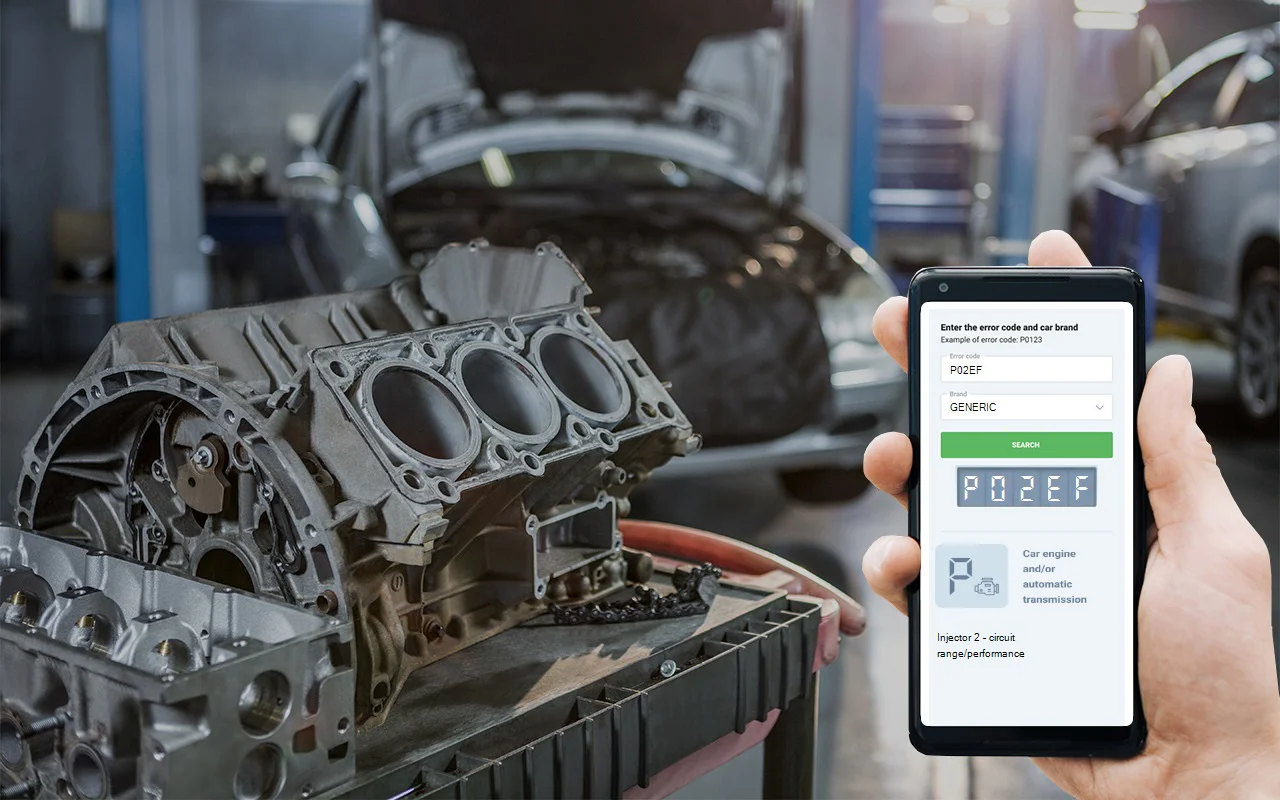
Here’s the bottom line: a P02EF code means the number 2 fuel injector isn’t doing its job, and if you let it slide, you’re risking rough running, lousy mileage, and possible damage to the rest of your engine. The smart move is to start simple-check connectors, wiring, and try cleaning before you replace parts. This isn’t a code to ignore or put off. Tackle it head-on using the step-by-step approach I’ve laid out, and you’ll keep your engine running smooth and strong.
 6115
 6 minutes of reading