
P0314 engine code causes
From my time under the hood, I can tell you p0314 usually comes down to just a handful of usual suspects. Worn-out ignition parts top the list-think spark plugs that haven’t been changed in ages, tired ignition coils, or beat-up plug wires. Fuel delivery issues are right behind, especially dirty or failing injectors. Every now and then, I’ll catch wiring problems at the CKP or CMP sensors, or on the rare occasion, a PCM that’s given up the ghost. Here’s a rundown of what I see most:
- Old or fouled spark plugs, weak coils, or cracked plug wires
- Fuel injectors that are clogged, malfunctioning, or just plain dirty
- Vacuum leaks or leaks in the intake or exhaust system
- Wiring gremlins or loose/dirty connections at the CKP or CMP sensors
- Sensors themselves starting to fail (CKP or CMP)
- It’s rare, but sometimes the PCM is the root cause
dtc P0314 symptoms
If you’re dealing with this code, here’s what you’ll likely notice. First, that check engine light will glare at you. Then, there’s the unmistakable rough idle or hesitation-your engine might stumble when you hit the gas, shake at stoplights, or just not run as smooth as you’re used to. You might see your fuel mileage take a nosedive, so those trips to the pump get more frequent. Sometimes, acceleration feels sluggish, or there’s a flat spot when you try to pick up speed. If things get really bad, your engine could stall or struggle to start at all.

P0314 code diagnosis
Here’s how I tackle a P0314 when one rolls into my shop. First thing: I always check for Technical Service Bulletins (TSBs) that match your car-manufacturers are good at spotting trends and sometimes there’s a factory fix ready and waiting. Next, I scan for any other codes, especially ones tied to ignition or fuel. If I see those, I go after them first since they can be the smoking gun. After that, I’m hunting for vacuum leaks or any signs that the intake or exhaust is leaking-these can throw off your air-fuel mixture and spark all kinds of misfires. Once I’ve checked those, I’ll clear all codes and see if P0314 returns. If it does, I get up close and personal with the CKP and CMP sensors and their wiring. I’m looking for chafed wires, loose or corroded connectors, and sometimes just a bit of moisture causing havoc. Here’s a pro-tip from the garage: unplug the connectors, check for green corrosion or burnt terminals, and hit them with some electrical contact cleaner. If the code keeps coming back, I’ll pull the sensors themselves and inspect for damage or wear. Don’t cheap out here-if you have to replace a sensor, go OEM. Aftermarket parts can be hit-or-miss. If all that checks out, I move to the fuel system: pressure tests, injector checks, the works. If I’m still stumped, that’s when I call in a specialist. But nine times out of ten, it’s something simple-spark plugs, coils, or a crusty connector.
P0314 common mistakes
A classic mistake I see is folks throwing parts at the problem-swapping sensors or even the PCM-before checking the basics. Don’t skip over the simple stuff like worn plugs or a loose plug wire. Another misstep? Ignoring other codes that show up. If you don’t clear those first, you’ll end up chasing your tail. Skipping a vacuum or exhaust leak check is another biggie. And believe me, using cheap, no-name sensors can turn a small problem into a nightmare. Always start with the basics and work your way up. You’ll save money and headaches in the long run.

obd code P0314 seriousness
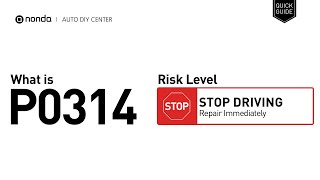
Take it from someone who’s seen the fallout-ignoring a random misfire isn’t something you want to gamble with. You could cook your catalytic converter in no time, and that’s not a cheap fix. If your engine’s running rough, there’s a real risk of stalling, which could leave you stranded or, worse, put you in a dangerous spot in traffic. Every mile you drive with a misfire is adding extra wear on your engine and other parts. Bottom line: don’t put this off. Get it checked and fixed before you’re looking at a major repair bill.
P0314 trouble code repair
When it comes to fixing P0314, I always tell folks to start simple. Replace any tired spark plugs, ignition coils, or wires first. Clean or swap out dirty fuel injectors if needed. If you find any vacuum or exhaust leaks, seal them up right away. Check your wiring and connectors at the CKP and CMP sensors-fix or replace anything that looks suspect. And if a sensor’s bad, stick to OEM replacements for best results. Don’t forget to look for TSBs and follow any factory fixes. Once you’re done, clear the codes and give it a good test drive to make sure everything’s running smooth. That’s how you know you’ve nailed it.



Conclusion
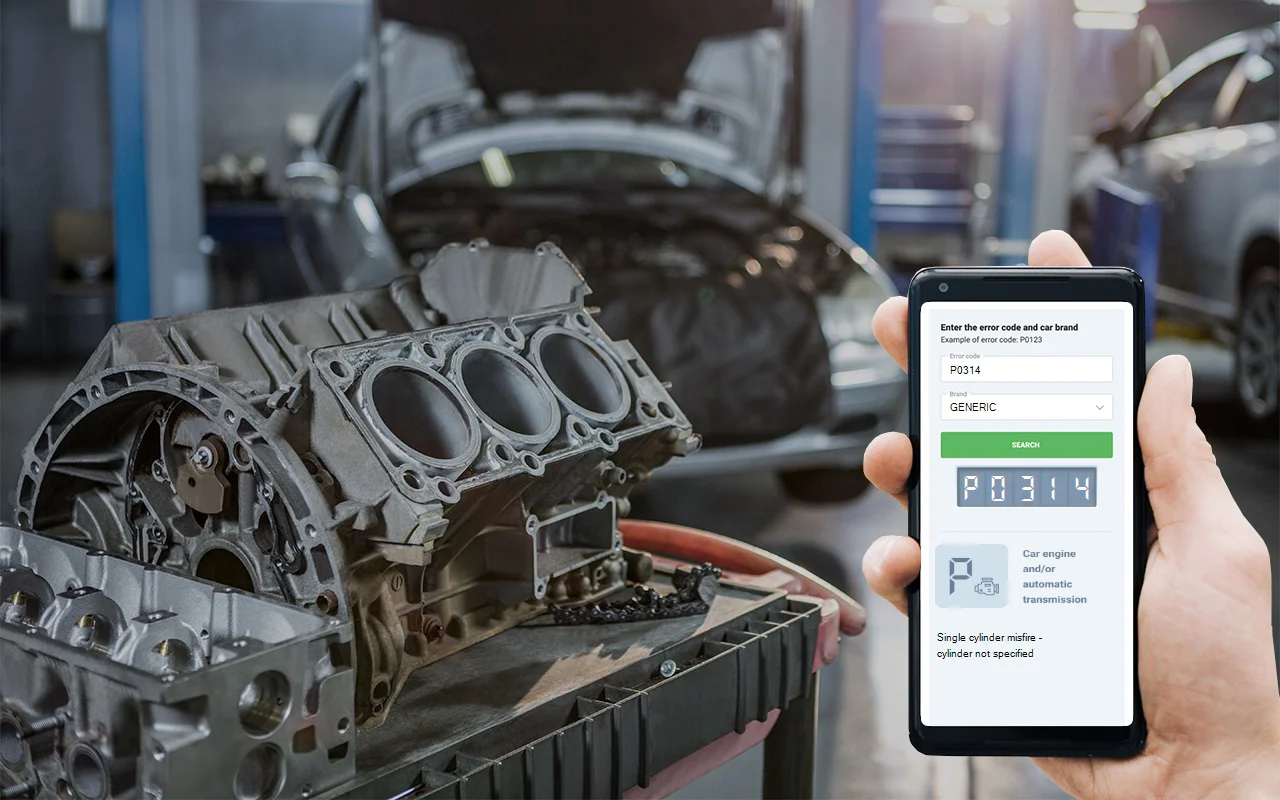
Bottom line? DTC p0314 means your engine’s misfiring but the computer can’t pinpoint which cylinder’s acting up. Usually, it’s simple-old ignition parts or a fuel hiccup-but left unchecked, things can go south fast. Don’t wait around. Start with the basics, follow the steps, and most of the time, you’ll be back on the road in no time. A little attention now saves you a world of trouble later.
 3739
3739 6 minutes of reading