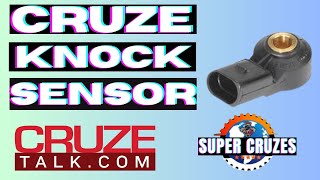
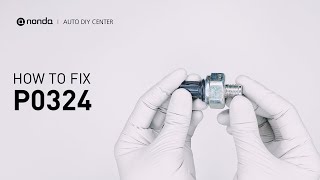
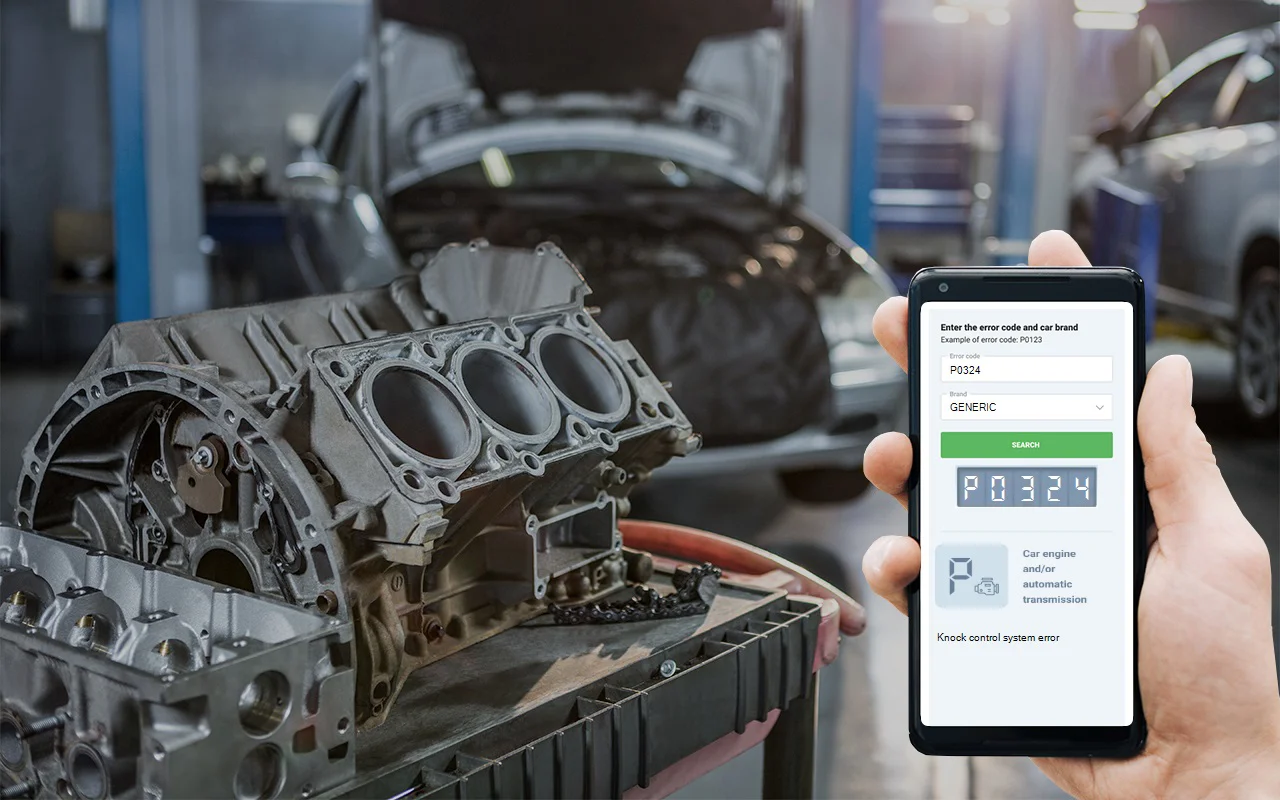
When you run into a P0324 code, what you’re really dealing with is what we call a “Knock Control System Error.” Now, from my time under the hood, I can tell you this boils down to your car’s computer-the PCM-not getting the feedback it expects from the knock sensor. That little sensor, usually tucked away on the engine block or cylinder head, is like your motor’s own set of ears. It listens for those odd, metallic rattles-what we call ‘knocking’ or ‘pinging’-that show up when combustion isn’t happening quite right. If the sensor picks up those bad vibes, it shoots a signal over to the PCM, which then gets to work, making small adjustments to things like the spark timing to help your engine run smooth and safe. If the expected signal never shows up, boom-your check engine light comes on and you’re staring down that P0324. This whole knock control system is just a network: the sensor, its wiring and connectors, and the PCM. Its main job? Keep your engine out of harm’s way, because unchecked knocking can really tear up internal parts in a hurry.
DTC P0324
 6495
6495 6 minutes of reading
Causes and obd2 code P0324
In my years wrenching on these systems, the knock sensor itself is usually the troublemaker behind p0324. But don’t overlook the wiring-damaged, corroded, or even just slightly loose wires or connectors can trip you up just as easily. Every so often, you’ll get a PCM that’s gone bad, but honestly, that’s the rare exception, not the rule. Here’s what I always look at first:
- Bad knock sensor (hands down, the most common cause)
- Wiring or connectors to the sensor that are damaged, corroded, loose, or shorted
- PCM failure (not likely, but not impossible)
Here’s a pro-tip from the garage: Always start with the sensor and wiring. Nine times out of ten, that’s where you’ll find your answer.
Symptoms and P0324 trouble code
When your Chevy throws a dtc p0324 chevrolet, the first thing you’ll notice is that glowing check engine light. But that’s not all. I’ve seen plenty of cars come in running rough-the engine feels like it’s dragging its feet, or maybe it hesitates when you hit the gas. Sometimes drivers mention the engine’s louder than usual, especially if you’re climbing a hill or towing something heavy. Watch your fuel gauge, too; you might see your mileage start to slip. Bottom line: the car’s trying to protect itself, but it’s not running at its best, and you’ll feel that behind the wheel.

Diagnosis and obd code P0324
When I get a vehicle with a p0324 code, here’s the step-by-step routine I trust:
- First thing, I plug in the scanner and check for any other codes that might point me in a specific direction.
- Next up, hood open, I go straight for a visual check of the knock sensor and its wiring. I look for anything obvious-cracked insulation, green corrosion, loose plugs, or wires that look like they’ve been cooked against a hot manifold. Don’t forget to check how the sensor’s bolted down; I’ve seen more than one loose sensor throw off the signal.
- If nothing jumps out, I grab my multimeter and check the knock sensor for the right resistance. Now, you’ll need to track down the exact specs for your engine-don’t guess. If the numbers are off, you’ve found your problem.
- Still no dice? Time to check the wiring harness for continuity and shorts. I’ve traced issues back to a single pinched wire hiding behind a bracket, so be thorough.
- If all that checks out but the code keeps popping up, then, and only then, do I start thinking about the PCM. That’s a last resort unless there’s obvious water intrusion or a fried circuit board.
A quick word of caution: if you’re not at home with a meter or under-hood work, get a second set of hands. And always, always let the engine cool down before you dive in near that sensor.
Common Mistakes with the P0324 code
One classic mistake I see in the shop is folks swapping out the knock sensor right off the bat, without even glancing at the wiring or connectors. That’s a fast way to drain your wallet for nothing if the real issue is a crusty plug or a wire that’s come loose. Another one? Not checking the actual specs from the service manual when testing the sensor-don’t just wing it. And, if you skip a thorough visual once-over, you can chase your tail for hours. Always double-check the sensor’s mounting point, too-a loose bolt or a little grime can throw off the whole reading.

Seriousness of dtc P0324
Trust me, this is not a code you want to leave hanging around. The knock sensor’s the engine’s early warning system-if it’s not doing its job, the PCM can’t adjust to keep things safe. Down the line, ignoring P0324 can mean busted pistons, scored cylinder walls, or even a catastrophic engine failure if knocking gets out of control. You don’t want that kind of headache. My advice? Get on it quick, before a minor fix turns into a bank-breaking repair.
Repair steps for the P0324 engine code
Here’s how I tackle a p0324 code in the shop:
- If the knock sensor fails the resistance or signal test, or looks beat up, I swap it for a new one.
- Any wiring or connectors that are toast-damaged, corroded, or loose-I repair or replace them on the spot.
- I always clean and snug up the sensor’s mounting area. Sometimes a little elbow grease is all it takes to get a solid signal.
- If everything else checks out and the problem’s still there, I’ll look at the PCM. But honestly, that’s a rare fix, and only if there’s solid evidence pointing that way.
Once repairs are done, I clear the code, take her for a spin, and make sure that light stays off and the engine’s running right.
Conclusion
So here’s the bottom line: P0324 means your PCM isn’t hearing what it should from the knock sensor, and that’s critical for keeping your engine safe. Don’t let this one slide-acting fast can save you a world of trouble and cash down the road. Start simple: check the sensor, then the wiring and connectors. In most cases, that’s all it takes to get back on the road. If you’re not sure about electrical work or engine diagnostics, get a pro to help. Ignoring this code just isn’t worth the risk.