
Causes of obd2 code P032A
From experience, the most common reasons I see for a P032A code are:
- A faulty knock sensor itself-these can wear out or get damaged, especially since they’re often in tough-to-reach spots on the engine.
- Wiring or connector issues-corrosion, broken wires, or loose plugs can all mess with the sensor’s signal.
- Engine problems-sometimes, the engine really is making unusual noises due to internal damage or worn parts.
- Bad fuel-using contaminated or low-quality gasoline can cause knocking, which confuses the sensor.
- PCM (engine computer) issues-rare, but possible if there’s a software glitch or internal fault.
- Incorrect ignition timing-if the timing is off, it can cause knocking that triggers the code.
In cases like this, it’s usually something simple like the sensor or wiring, but it’s important not to overlook the possibility of a real engine problem.
Symptoms of P032A trouble code
When P032A is active, you’ll likely notice a few things. The engine might hesitate when you try to accelerate, or it could just feel like it’s running rougher than usual. Sometimes, you’ll hear odd noises-knocking, pinging, or just a general rattle from the engine bay. You might also see your fuel economy drop, since the computer may adjust things to protect the engine, which isn’t always efficient. In some cases, the check engine light will come on, but not always right away. If you notice any of these, it’s a good idea to get things checked out sooner rather than later.

Diagnosis steps for P032A code
Let me walk you through how I’d handle a P032A code in my own bay:
- First, I always check for any technical service bulletins (TSBs) related to your vehicle-sometimes the manufacturer already knows about common issues and has a fix.
- Next, I do a careful visual inspection of the wiring and connectors going to the knock sensor. Look for anything corroded, burnt, broken, or loose. These sensors are often low on the engine, so they can get damaged during other repairs.
- Then, I hook up a scan tool to pull all the codes and freeze-frame data. This helps me see exactly when and how the code set.
- After clearing the codes, I’ll take the car for a test drive to see if the code comes back. If it does, I use the scan tool to watch live data from the knock sensor. If the readings look off, I’ll use a digital volt/ohm meter (DVOM) to check the sensor’s signal right at the connector.
- If the voltage at the sensor is within spec, but the PCM isn’t seeing it, I suspect a wiring issue between the sensor and the computer. If the voltage is wrong at the sensor, it’s likely the sensor itself.
- If I need to replace the sensor, I always let the engine cool down first-these sensors can be threaded into coolant passages, and removing them hot can cause burns or coolant spills.
It’s best to start with the simple stuff-wiring and connectors-before moving on to the sensor or deeper engine issues.
Common mistakes with obd code P032A
I’ve seen a few common pitfalls with this code. One is jumping straight to replacing the knock sensor without checking the wiring or connectors-sometimes it’s just a loose plug or a corroded wire. Another is ignoring engine noises, thinking it’s just a sensor issue, when there’s actually a real mechanical problem. Also, some folks forget to check for TSBs, which can save a lot of time and money. Don’t skip the basics, and don’t assume it’s always the sensor itself.

How serious is the P032A engine code
This isn’t something you want to ignore. A P032A code can mean your engine is experiencing real knocking, which is a serious hazard. If left unchecked, it can lead to major engine damage-things like piston or rod failure, or even a ruined engine block. Even if it’s just a sensor or wiring issue, your engine’s computer might not be able to protect the engine from knock, putting you at risk for expensive repairs. Honestly, things can go south quickly if overlooked, so don’t put this off for later.
Repair solutions for dtc P032A
Here’s what I typically do to fix a P032A code:
- Repair or replace any damaged wiring or connectors going to the knock sensor.
- Replace the knock sensor itself if it’s faulty-making sure to let the engine cool down first to avoid burns or coolant spills.
- If the problem is with the PCM or its programming, reflash or replace the PCM as needed (rare, but possible).
- If there’s evidence of real engine knock, address the underlying mechanical issue-this could mean internal engine repairs.
- Drain and refill with fresh, high-quality fuel if contaminated fuel is suspected.
Always clear the codes and test drive the vehicle after repairs to make sure the issue is resolved.

Conclusion
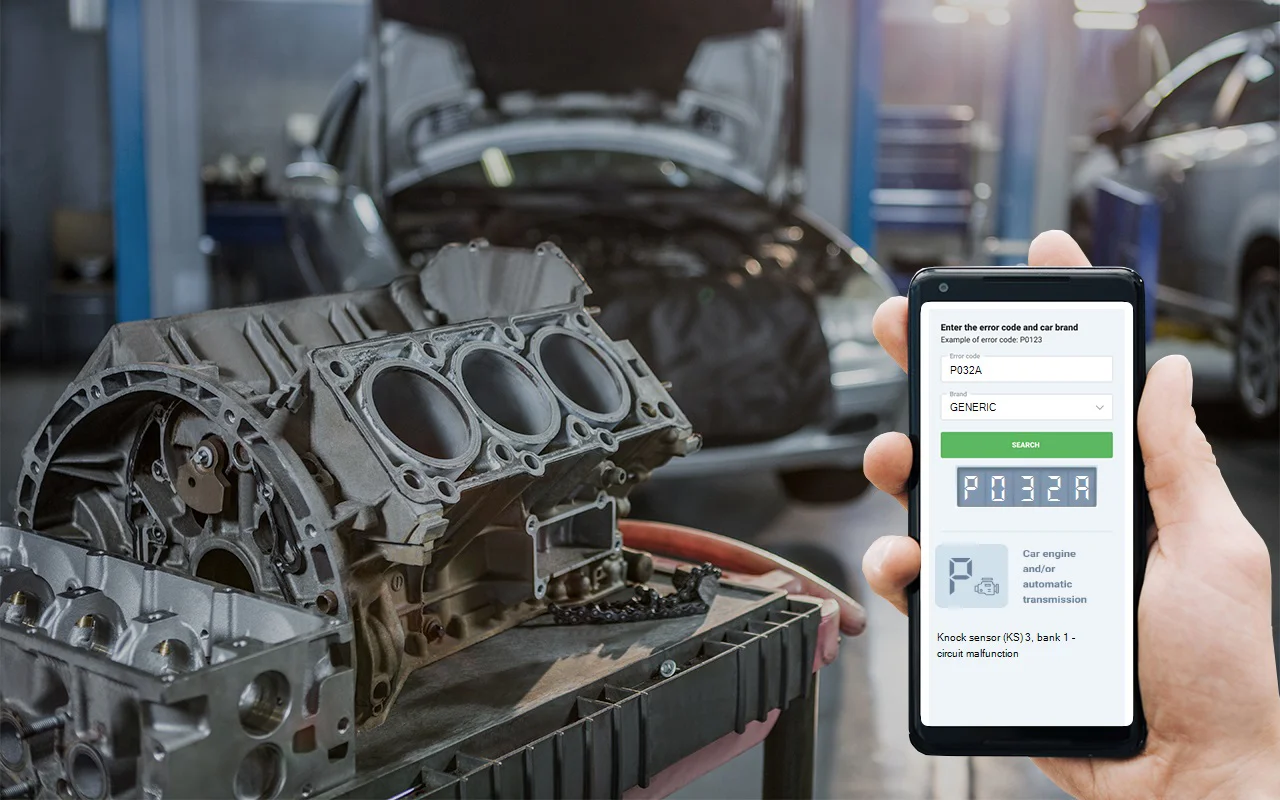
To sum it up, P032A means your car’s computer is getting an odd signal from knock sensor 3 on bank 1. This is a high-priority code because it can point to real engine trouble or a problem with the sensor system that protects your engine. The best approach is to start with a careful inspection of wiring and connectors, check the sensor itself, and don’t forget to look for any technical bulletins. If you catch it early and fix the root cause, you’ll avoid much bigger headaches down the road. Don’t wait on this one-get it checked and fixed as soon as you can.
 4270
4270 6 minutes of reading