Causes and P0333 engine code
From experience, the most common reasons for a P0333 code are:
- A failed knock sensor-these can wear out or get damaged over time.
- Wiring problems-broken, shorted, or corroded wires between the sensor and the computer are a frequent culprit.
- A faulty PCM (the car’s main computer)-not as common, but it does happen.
- Incorrect fuel octane-using fuel that’s too low in octane can cause knocking and confuse the sensor.
- Low fuel pressure or mechanical engine problems-these are less common, but I’ve seen them cause this code too.
Most often the issue is with the sensor itself or its wiring, so that’s where I recommend starting.
Symptoms and obd code P0333
When P0333 pops up, here’s what you’ll likely notice:
- The check engine light will come on-sometimes that’s the only clue.
- You might hear a knocking or pinging sound from the engine, especially when accelerating.
- Loss of power or sluggish acceleration-your car may feel like it’s holding back.
- Sometimes the engine RPMs can act a bit strange or fluctuate unexpectedly.
If you hear knocking or feel a loss of power, don’t ignore it. That’s your engine telling you something’s wrong.
Common mistakes when fixing P0333 code
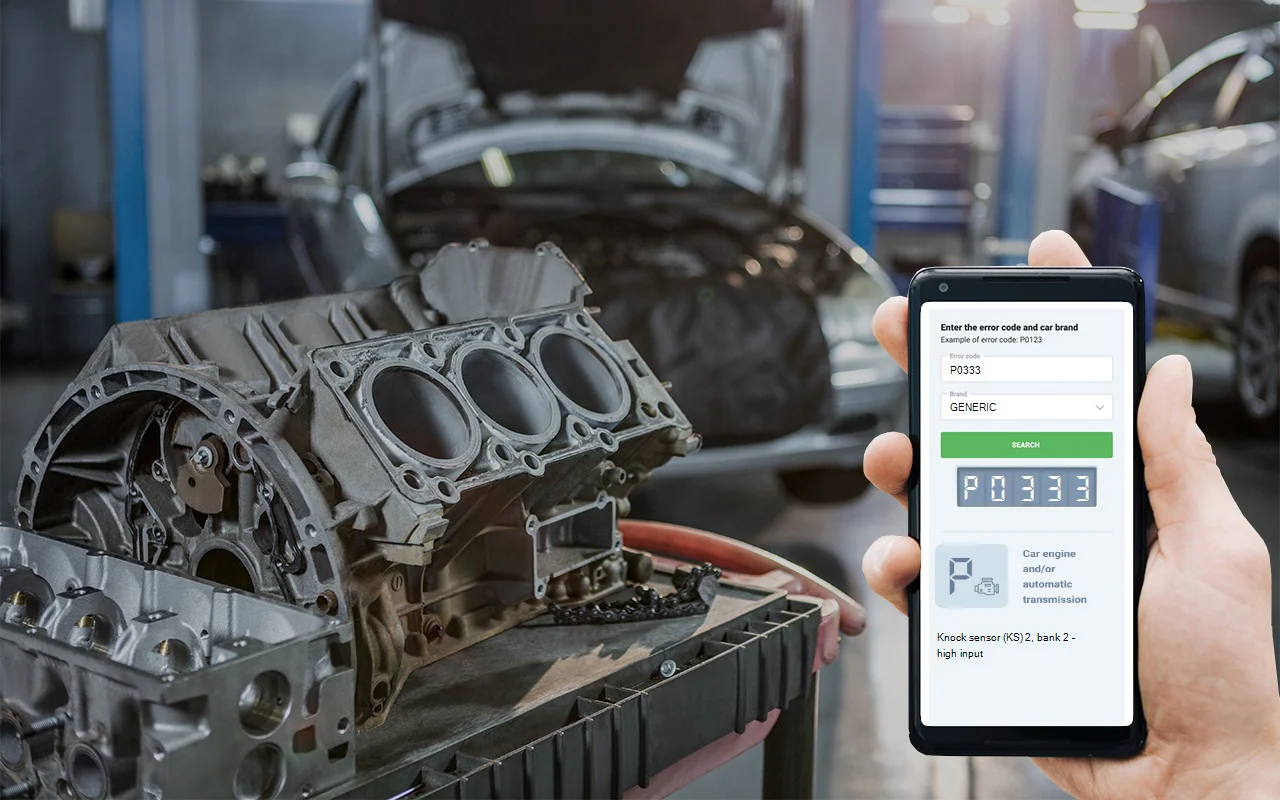
Here’s a classic blunder: folks go straight for a new knock sensor without checking the wiring first. I can’t tell you how many times I’ve seen money wasted on parts when a simple wire fix would have done the trick. Another one? Overlooking low fuel octane or possible engine mechanical issues. Don’t skip the basics-always check wiring and the quality of your fuel before you start swapping parts.

Repair solutions for dtc P0333
Here’s my go-to game plan for knocking out a P0333 code:
- First, fix or replace any damaged wiring or connectors running to the knock sensor. So many times, it’s just a wiring issue.
- If the sensor itself is faulty or out of spec, swap it out for a new one.
- In rare situations, you might have to reprogram or replace the PCM, but don’t jump to this unless you’re sure.
- Double-check you’re using the right fuel octane for your ride. Wrong fuel can set this code off, too.
- If you’re seeing signs of low fuel pressure or mechanical problems inside the engine, take care of those pronto.
Most times, fixing up the wiring or changing out the sensor gets things back on track.
Conclusion
Bottom line? P0333 means your car’s computer isn’t getting a reliable signal from the knock sensor on Bank 2, and that leaves your engine wide open to damage. The sooner you get on top of this, the better-wiring and the sensor itself are usually where the trouble lies. Don’t shrug off warning signs like knocking or power loss. Take the time to check wiring and swap the sensor if you need to. Trust me, catching it early will save you a world of headaches down the road.
Video for "Error p0333" on YouTube
The following error codes are often searched for

 3705
3705 5 minutes of reading