
Causes of P0338 trouble code
From what I’ve seen in the shop, the most common reason for a P0338 code is a faulty crankshaft position sensor itself. But that’s not the only thing that can set this code off. Here’s what I usually check, in order:
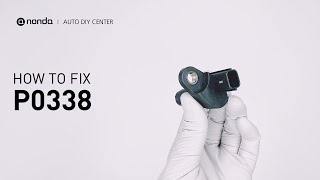
- Bad or failing CKP sensor (the sensor itself is just worn out or defective)
- Damaged or corroded wiring or connectors going to the CKP sensor (sometimes it’s just a loose or dirty plug)
- Reluctor ring issues (this is the toothed wheel the sensor reads-if it’s cracked, bent, or missing teeth, the sensor can’t read it right)
- PCM (engine computer) failure (rare, but it does happen if everything else checks out)
Most often, it’s the sensor or the wiring, but I’ve seen all of these cause headaches before.
Symptoms of P0338 code
When this code is active, you’ll usually notice a few things right away. The check engine light will come on, for starters. In a lot of cases, the engine may refuse to start at all, which is a real pain. If it does start, you might notice the engine stalling unexpectedly, rough running, or the tachometer (the RPM gauge) not moving like it should. Sometimes the engine just feels sluggish, or you’ll notice you’re burning more fuel than usual. If you’re seeing any of these, especially a no-start or stalling, don’t ignore it-things can go south quickly.

Diagnosis with obd code P0338
Let me walk you through my typical approach when I come across a P0338. I always start with the basics-pop that hood and eyeball the crankshaft position sensor and its wiring for anything out of the ordinary. I’m talking about split wires, green corrosion on connectors, or a plug that’s barely hanging on. Don’t just stop at what’s easy to see; sometimes the trouble hides further up the harness where the insulation’s rubbed through. Next, I break out the scan tool-not just to confirm P0338, but also to check for other codes that might point to a bigger story. After that, I’ll grab my digital voltmeter and measure voltage right at the sensor connector while someone cranks the engine. If those numbers are way outside the spec, you’ve just found a major clue. I also recommend getting a look at the reluctor ring if you can-missing or mangled teeth are a dead giveaway for trouble. If all that checks out, I’ll pull out the ohmmeter to bench test the sensor itself, making sure it’s reading within the manufacturer’s resistance range. Only once I’ve ruled out everything else do I start thinking about the PCM. And here’s something folks forget: always make sure your battery’s fully charged before running tests, or you’ll chase ghosts all day.
Common Mistakes when fixing P0338
A classic mistake I see is folks swapping out the crankshaft sensor right off the bat, without checking the wiring or connectors first. I can’t tell you how many times it’s just been a crusty plug or a broken wire causing the headache. Another one? Skipping over the reluctor ring-if it’s cracked or missing teeth, no shiny new sensor will help. I’ve also seen people ignore related trouble codes, which can send you chasing your tail. My advice: slow down, check the basics, and don’t jump to conclusions. It’ll save you time and money every single time.

Seriousness of P0338 engine code
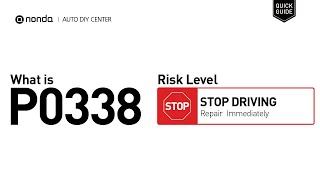
Don’t brush off a P0338. I’ve seen cars left dead in parking lots because the engine wouldn’t fire up, and that’s just the start. Even if your car still runs, stalling out in the middle of traffic is no joke-it’s flat-out dangerous. Letting this slide can also wreck your catalytic converter or even put your engine at risk. I’ve seen misfires and bad timing from sensor issues do real internal damage. Bottom line? Get on top of this one fast. It’s just not worth the risk.
Repair steps for dtc P0338
Most times, you’re looking at a pretty direct fix: swap out the crankshaft position sensor if it’s bad. If it’s the wiring or connectors that are shot, patch or replace them as needed-sometimes all it takes is cleaning up a dirty plug. When the reluctor ring’s the problem, you’ll need to get in there and repair or swap it out, and that can mean pulling off other parts to get access. PCM failures are rare, but if you’ve ruled out everything else, you may be facing a reflash or replacement. Here’s a pro-tip from the garage: always clear the codes and take the car for a spin before you call it fixed. If the code stays gone, you know you nailed it.


Conclusion
If you’re staring down a P0338, your engine computer isn’t getting the right message from the crankshaft position sensor-and that spells trouble, from warning lights to a dead engine. This code’s not one you can ignore; it can leave you stuck or, worse, cause you to stall out in traffic. From my time under the hood, the best move is to start simple: check the sensor, the wiring, and the reluctor ring before jumping to bigger repairs. Don’t drag your feet-getting this sorted early will save you a world of hassle.
 4860
 6 minutes of reading