
Main Causes of obd2 code P033C
From my time under the hood, I’ve seen a handful of repeat offenders when it comes to the P033C code. Nine times out of ten, it boils down to one of these:
- The knock sensor itself has gone bad-these things take a beating, sitting low on the engine, and can get banged up during other repairs
- Wiring gremlins: damaged, corroded, or barely-hanging-on wires and connectors feeding the sensor
- Actual engine problems that cause genuine knocking or weird vibrations
- Cheap or dirty fuel gumming up the works
- Ignition timing that’s just not right
- And every so often, the PCM (that’s your car’s brain) or its programming throws a wrench in the works
Usually, the fix is straightforward, but you don’t want to overlook the possibility of something more serious hiding underneath.
Typical Symptoms of P033C engine code
When this code shows up, you might run into a few telltale signs. Maybe the engine hesitates when you punch the gas, or it starts running rough-just not firing on all cylinders, so to speak. Sometimes you’ll catch odd noises under the hood, like knocking or pinging, and your fuel mileage might start heading south. But here’s the tricky part: now and then, you won’t notice anything at all. That doesn’t mean you’re in the clear. If you do hear knocking, don’t wait around-get it checked before it snowballs into something much worse.

How to Diagnose P033C
When P033C lands on my workbench, here’s my standard playbook. Always start with the basics: get eyes on the wiring and plugs around the knock sensor. Look for frayed wires, crusty connectors, or anything that looks out of place-these sensors are often collateral damage during jobs like starter or engine mount swaps. Next, I’ll plug in a scan tool to pull all the stored codes and freeze-frame data; sometimes those details point you right at the cause. After clearing the codes, I’ll take the car for a spin to see if the code comes back. If it does, I’ll keep the scan tool hooked up and watch the knock sensor’s readings live. If something’s off, I grab my volt/ohm meter and check the sensor’s signal right at its connector. If the voltage checks out there but not at the computer, now you’re chasing a wiring issue between the sensor and PCM. If the sensor voltage is off at the source, odds are the sensor is toast. Quick tip: let the engine cool off before wrestling out the sensor-hot coolant can turn a simple job into a trip to the ER. And don’t forget to check for any technical service bulletins for your make and model. Sometimes, a known issue or updated part can save you a lot of grief.
Avoiding Common Mistakes with P033C code
A classic mistake I see is folks swapping out the knock sensor right away without checking the wiring or connections. That’s an easy way to burn cash and get nowhere. Another pitfall: not letting the engine cool before removing the sensor, which can lead to some nasty burns from hot coolant. Some techs skip checking for TSBs, missing out on quick fixes if the manufacturer has flagged a known issue. And never assume the problem is just the sensor-make sure there’s no real engine knock or internal trouble before pointing fingers at the electronics.

The Seriousness of obd code P033C
Don’t kid yourself-this isn’t a code you can afford to ignore. When the knock sensor isn’t working, your car’s computer loses its ability to shield the engine from knock, and that’s when the real damage starts. Pistons, rods, even the engine block can take a hit in a hurry. If you hear knocking or pinging, you’re flirting with disaster. Ignoring it can turn a minor repair into a catastrophic bill-trust me, I’ve seen it happen too many times.
Effective Repair Solutions for dtc P033C
Here’s what usually gets the job done in my shop:
- Replace the knock sensor once you’ve proven it’s bad
- Patch up or swap out any sketchy wiring or connectors
- Address any real engine issues causing the knock
- If the fuel’s contaminated, drain it and fill up with the good stuff
- If there’s a software update or PCM reflash available, don’t skip it
Always let the engine cool off before getting your hands near the sensor. If you have to drain coolant, handle and dispose of it properly-it’s nasty stuff for the environment.

Conclusion
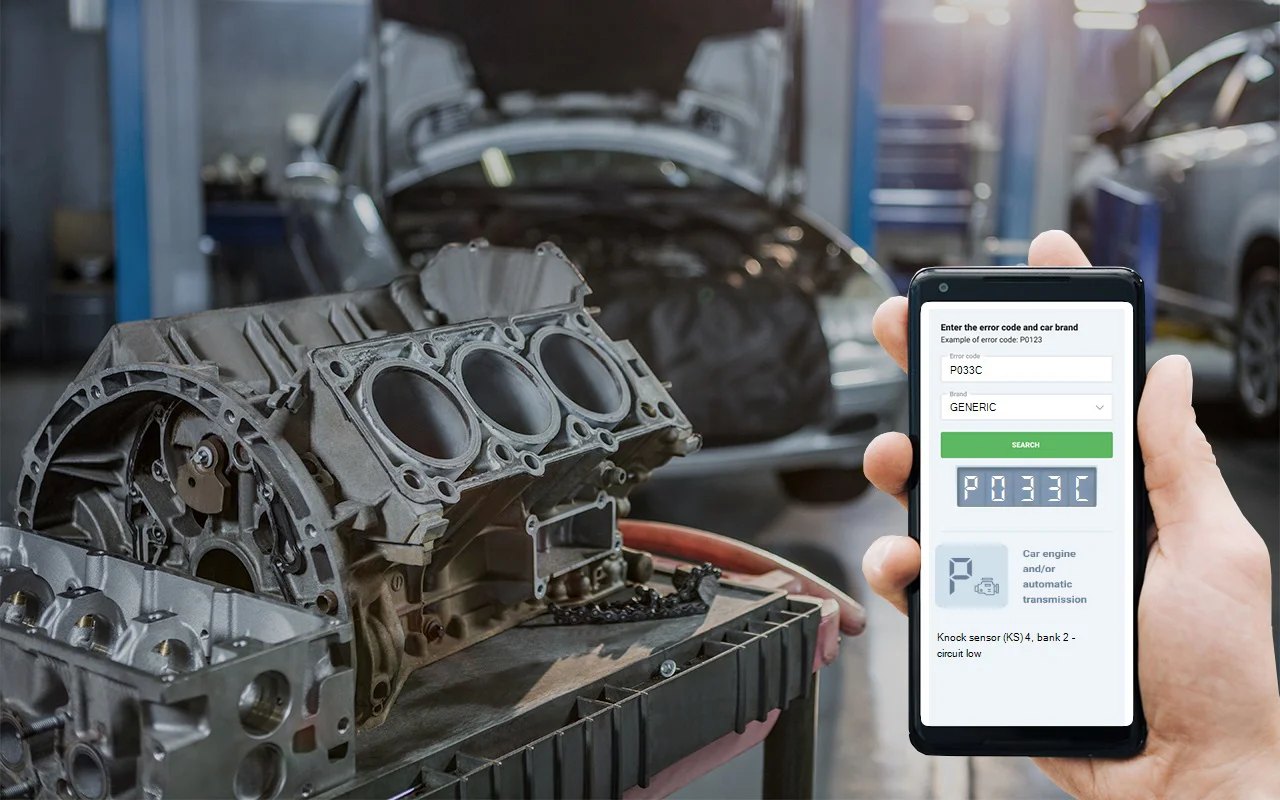
Bottom line: P033C is your car’s way of telling you that the knock sensor on bank 2, sensor 4, isn’t sending the right signal. This isn’t something you want to put off-wait too long, and you could be looking at major engine damage. Start with a thorough check of the wiring and connectors, see if there’s a technical bulletin for your specific ride, and only swap the sensor if you’re sure that’s the issue. Tackle it now, and you’ll save yourself from a world of headaches (and a big repair bill) down the road.
 4477
 5 minutes of reading