
Causes of obd code P033D
Over the years, I’ve seen the same handful of issues causing a P033D code to rear its ugly head. Here’s what I typically uncover when chasing this down:
- Knock sensor connector that’s seen better days (damaged or corroded)
- Wiring to the knock sensor that’s open, shorted, or rubbing against something it shouldn’t-sometimes grounding out, sometimes picking up stray voltage
- A knock sensor that’s simply worn out or failed
- Moisture, oil, or coolant sneaking into the sensor or its connector-contamination is a sneaky culprit
- Running low-octane fuel when your engine wants higher-this can make the engine ping and set off the sensor
- And every now and then, the PCM itself can fail, but that’s rare
If you’re tackling this code, always start simple-check the wiring and connectors before you start swapping out sensors or blaming the PCM. Nine times out of ten, that’s where the problem hides.
Symptoms of P033D engine code
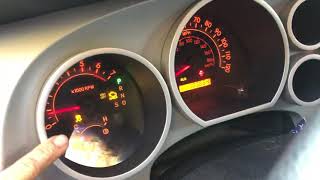
When P033D is lurking, you’ll almost always get a glowing check engine light staring back at you. Sometimes, you’ll catch a knocking or pinging sound, usually when you put your foot down on the gas. The engine might feel rough, sluggish, or just not as peppy as usual. Now and then, you won’t feel anything at all-no drivability issues-but don’t let that fool you. Any trace of engine knock is a big warning sign. Trust me, you don’t want to ignore it and hope it goes away.

Diagnosis steps for obd2 code P033D
Here’s how I get to the bottom of a stubborn P033D code, step by step, straight from the shop floor:
- First thing I do-inspect the knock sensor connector and wiring. Look for frayed wires, corrosion, or signs of moisture. Grab a flashlight and, if you’ve got a buddy, get them to hold it while you poke around.
- Then, I check what kind of fuel is in the tank. Cheap, low-octane gas is a magnet for engine knock and will absolutely cause trouble here.
- If there’s any coolant or oil leaking onto the sensor or wiring, I fix that first. Contamination throws sensor readings way off.
- Next, with the ignition on and engine off, I grab my multimeter and check for a 5-volt reference at the sensor connector. No 5 volts? Now you’re looking at a wiring or PCM problem.
- If voltage is there, I measure resistance from the sensor terminal to engine ground. You’ll need the spec from your service manual. If it’s way out of range, that sensor’s toast.
- If resistance checks out, I plug everything back in, fire up the engine, and watch live data from the knock sensor on my scan tool. If it shows knock at idle (shouldn’t happen) or doesn’t react when I tap the block with a wrench, the sensor’s likely no good.
- If everything else checks out but the code won’t go away, I look at how the harness is routed. Wires running too close to ignition wires can pick up interference and cause false readings.
- Still stuck? I look for a short or open in the 5-volt reference circuit back to the PCM. Sometimes another sensor sharing that same circuit is the real troublemaker, so I unplug them one by one to see if voltage comes back.
Always remember to clear the code and take the car for a test drive after any fixes. If it returns, something got missed.
Common mistakes when troubleshooting P033D code
One thing I see time and time again is folks swapping out the knock sensor right away without even glancing at the wiring or connector. That’s a rookie move and can leave you spinning your wheels. Another big miss? Forgetting to check fuel quality-if you’re running the wrong octane, that can easily set off this code and get overlooked. Ignoring leaks-coolant or oil-around the sensor is another trap, as is skipping the all-important 5-volt reference check at the connector. The best advice I can give? Always start with the basics before you start replacing parts.

Seriousness of P033D trouble code
Don’t kid yourself-this is a code you’ve got to take seriously. That knock sensor isn’t there for decoration; it’s your engine’s last line of defense against destructive detonation. If you keep driving with P033D active, you’re gambling with things like melted pistons, bent valves, even a wrecked catalytic converter. I’ve seen engines totaled because folks ignored a knock sensor warning. The repair bill for that kind of damage? Trust me, you don’t want to find out the hard way. Take care of it now, and you’ll save yourself a world of headache later.
Repair solutions for P033D
Here’s what usually solves a P033D, whether I’m in the bay or following OEM bulletins:
- Patch up or replace any knock sensor wiring or connectors that look damaged or corroded
- If the knock sensor fails a resistance or response check, swap it out
- Clean up and fix any coolant or oil leaks in the sensor area-contamination is a code factory
- Make sure you’re using the right octane fuel for your engine
- Reroute the sensor wiring if it’s running too close to ignition wires and picking up noise
- Only go after the PCM if you’ve ruled everything else out-hardware failures there are pretty rare but not impossible
Work from the simplest repairs up. No sense in making things harder than they need to be.


Conclusion
Bottom line: P033D means your PCM is hearing a knock signal it doesn’t like from Knock Sensor #4 on Bank 2. Don’t ignore it-engine knock is a fast track to major damage. Start with easy checks like wiring, connectors, and what’s in your fuel tank, then move on to the sensor itself. The stakes are high, so don’t drag your feet. Most of the time, fixing a wiring issue or swapping out a tired sensor gets things back to normal. That’s the safest way to keep your engine protected and purring down the road.
 5490
5490 6 minutes of reading