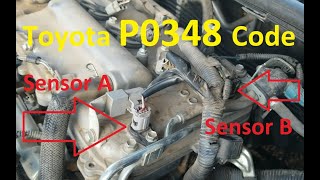
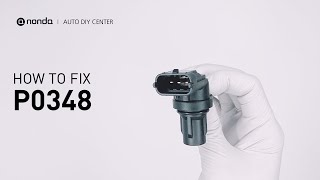
When you see a P0348 code pop up, your car’s computer (that’s the PCM, or powertrain control module) is basically telling you it’s lost faith in the camshaft position sensor circuit for bank 2, sensor 'A.' From my time under the hood, I can tell you that this sensor is what keeps the engine’s timing on point-it tracks the camshaft’s position and speed so the PCM knows exactly when to fire the spark and squirt in the fuel. If the signal from this sensor is way off, missing, or just doesn’t add up, the computer throws that P0348 code. On engines with more than one camshaft-think V6s or V8s-you’ll have a sensor for each bank. This code is pointing you to the one on bank 2. I’ve seen plenty of cases where a cranky cam sensor also causes issues with how the PCM double-checks the crankshaft sensor, so don’t be surprised if you get some weird running problems. At the end of the day, this sensor is vital to keeping your engine running the way it should.
DTC P0348
 4461
4461 6 minutes of reading
Causes of obd code P0348
In my experience, when a p0348 shows up, it’s usually one of a handful of culprits. Here’s what I see most often when a car rolls into my bay:
- A camshaft position sensor (CMP) that’s given up the ghost or is on its last legs. These things do wear out-especially on higher mileage vehicles.
- A busted tone ring on the camshaft-if it’s damaged or missing a tooth, the sensor can’t read it correctly.
- Wiring headaches: frayed wires, corrosion in the connectors, or plugs that aren’t snugged in tight. A tiny bit of corrosion can mess up the whole signal.
- Every now and then, it’s the PCM itself, but I wouldn’t start there unless you’ve ruled everything else out.
Nine times out of ten, you’re looking at either a bad sensor or a wiring gremlin. That’s always my starting point for diagnosis.
Symptoms of P0348 code
So, what should you be looking for if you’ve got a p0348? Here’s what tends to show up in real-world driving:
- The check engine light’s going to be staring you down-sometimes steady, sometimes flashing if things are ugly.
- The engine might not start at all, or it’ll fire up and then cough itself out after a few seconds.
- You’ll probably feel the engine running rough, hesitating, or even misfiring-especially when you get on the throttle.
- Don’t be surprised if your gas mileage drops and the engine feels gutless compared to how it used to be.
When that sensor is totally dead, I’ve seen cars that flat-out refuse to start. If the issue comes and goes, you’ll get stalling and rough running. Either way, you don’t want to let this one slide.

Diagnosis steps for dtc P0348
Let me walk you through how I personally tackle a dtc p0348 diagnosis, step by step:
- Start with the obvious: pop the hood and eyeball the wiring to the camshaft position sensor on bank 2. Look for chewed wires, loose plugs, or green corrosion. Honestly, I’ve fixed more of these by just cleaning or reseating a connector than you’d believe.
- Next move-grab your scan tool and confirm the code. Check for any related codes, especially anything pointing to the crankshaft sensor. This can save you hours of chasing your tail.
- With the engine off, unplug the sensor and take a close look at the connector pins. Bent or broken contacts? That’ll do it. It helps to have a buddy wiggle the harness while you watch the scan tool for any hiccups in the signal.
- If the connectors look good, I break out the multimeter and check for proper voltage and ground at the sensor plug, always double-checking against the specs in the service manual. If something’s off here, it’s time to hunt for wiring issues further up the line.
- When the wiring checks out, I’ll pull the sensor and take a hard look at the tone ring on the camshaft. Cracks, missing teeth, or a bunch of gunk can all throw things off.
- If you’ve ruled out everything else and you’re still stuck, only then do I give the PCM a second look. But honestly, that’s rare in my experience.
Don’t forget-once you make any repairs, clear the code and give the car a proper test drive to make sure it’s really fixed. Don’t just trust the scanner; see how it runs on the road.
Common mistakes when dealing with P0348
A classic mistake I see all the time? Folks throwing a new camshaft sensor at the problem before checking the wiring or the tone ring. That’s a quick way to waste cash. Another one is ignoring corrosion or a loose plug at the sensor connector-those can cause problems that come and go, making them tricky to catch. Skipping over related codes is another pitfall; you might end up barking up the wrong tree. My advice? Always be thorough and methodical, or you’ll just be chasing your own tail.

Seriousness of P0348 engine code
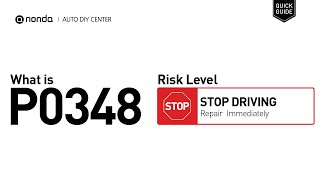
Don’t brush this one off. A bad camshaft sensor can leave you stuck-either the engine won’t start, or it’ll stall without warning, even in the middle of traffic. That’s a real safety risk, not just for you but for everyone on the road. If you ignore it, you can also end up with raw fuel dumping into the exhaust, which cooks your catalytic converter. And trust me, you don’t want to pay for one of those. Things can go sideways in a hurry, so get on top of this code as soon as you can.
Repair steps for obd2 code P0348
Based on years in the garage and what the manual says, here’s what usually brings a p0348 back into line:
- Swap out the camshaft position sensor if it’s out of spec or just plain dead.
- Fix or replace any damaged wiring or sketchy connectors running to the sensor.
- Clean up or replace the tone ring if it’s dirty, cracked, or missing a tooth.
- Only after all that, and only if you’re still pulling your hair out, should you look at repairing or swapping the PCM.
My pro-tip? Always start with the simple stuff-wiring and connectors-before shelling out for a new sensor. And stick with OEM parts for the best long-term results.
Conclusion
Here’s the short and sweet: P0348 means the engine’s computer isn’t happy with the camshaft position sensor signal from bank 2. This isn’t a back-burner issue-it can cause no-starts, stalling, even expensive damage to your catalytic converter if you leave it alone. From what I’ve seen, your best bet is to start with a careful check of the wiring and sensor, then move on to the tone ring if needed. Don’t drag your feet-fixing this right away saves you a world of trouble down the line.