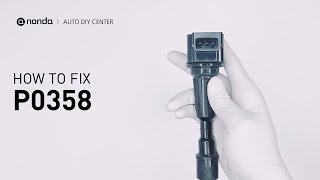
Let me break down what code P0358 means for your vehicle. This code stands for “Ignition Coil H Primary/Secondary Circuit Malfunction.” In plain English, your car’s computer (the PCM) has noticed something wrong with the electrical circuit that controls ignition coil number 8. Modern engines use a coil-on-plug system, where each spark plug gets its own ignition coil, and the PCM manages each one directly. If there’s an open (broken wire) or a short (wires touching that shouldn’t be) in the circuit for coil #8, the PCM will set this code. Sometimes, to protect the engine, the computer may even shut off the fuel injector for that cylinder. The whole point of this system is to make sure each spark plug gets the right voltage at the right time to ignite the fuel and air in the cylinder. If something’s off, you’ll get a misfire, and the car will let you know with a check engine light.
DTC P0358
 5975
5975 6 minutes of reading
Causes of obd code P0358
From what I’ve seen in the shop and based on official repair info, there are a few usual suspects when it comes to p0358. Most often the issue is a faulty ignition coil itself-these can wear out over time. Another common cause is a problem in the wiring or connectors going to coil #8, like a broken wire, corrosion, or a loose connection. Less commonly, the problem can be with the car’s computer (PCM), sometimes needing a software update or, in rare cases, having an internal fault. Here’s what I typically look for:
- Defective ignition coil (coil #8)
- Damaged, frayed, or corroded wiring or connectors in the coil #8 circuit
- Poor connection at the coil or PCM
- PCM needing a software update or, rarely, internal PCM failure
Symptoms of obd2 code P0358
When this code pops up, you’ll usually notice a few things right away. The check engine light will come on-that’s your car’s way of waving a red flag. You might also feel the engine running rough, especially at idle or when accelerating. That’s because one cylinder isn’t firing properly, so the engine can shake or hesitate. Sometimes you’ll notice a drop in power or even a bit of a stumble when you try to speed up. If the misfire is bad enough, you might even smell unburned fuel or notice worse gas mileage. In some cases, the only sign is the warning light, but it’s best not to ignore it.

P0358 diagnosis steps
Here’s how I usually tackle a p0358 code, step by step. First, I always start with the basics-don’t overlook the simple stuff!
- Pop the hood and inspect the ignition coil for cylinder #8. Look for obvious signs of damage: cracks, burn marks, or corrosion on the connector.
- Check the wiring harness going to the coil. Gently tug on the wires to see if anything is loose or broken. Sometimes rodents chew wires, or connectors get brittle and break.
- If everything looks good visually, I’ll swap the suspect coil with one from another cylinder (if your engine allows it). Clear the code and see if the problem moves to the other cylinder. If it does, you’ve found your culprit-the coil is bad.
- If the code stays on cylinder #8, I’ll use a multimeter to check for proper voltage at the coil connector. You want to see battery voltage on the power wire with the key on, and good continuity to ground on the control side.
- If you’re comfortable, you can also check for continuity between the coil connector and the PCM. Any breaks or high resistance mean there’s a wiring issue.
- Finally, if the coil and wiring check out, it’s time to consider the PCM. Sometimes a software update is needed, or in rare cases, the PCM itself is faulty. At this point, it’s best to get a professional involved.
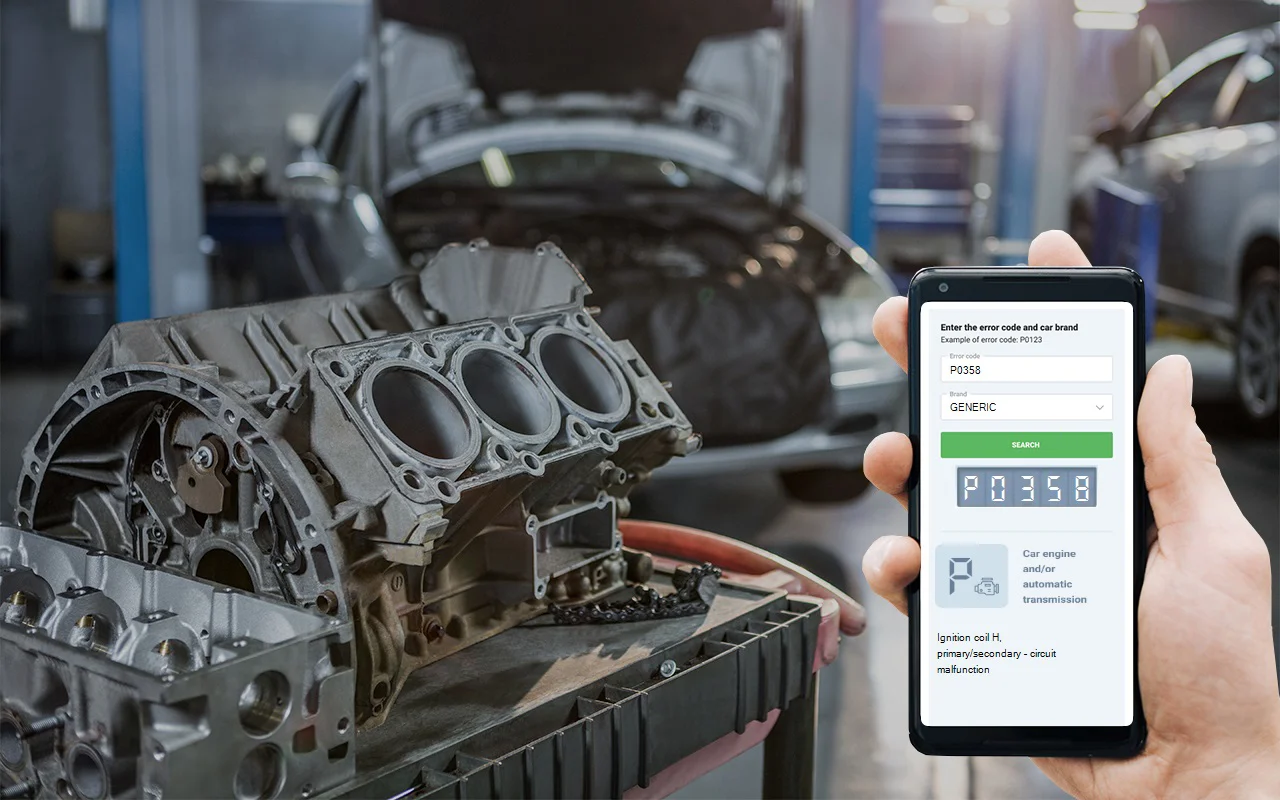
Common mistakes when fixing P0358 engine code
I’ve seen a few common mistakes when folks try to fix this themselves. One big one is replacing the ignition coil right away without checking the wiring or connectors-sometimes the problem is just a loose plug or a corroded terminal. Another is not swapping coils to confirm the fault follows the part. Also, don’t forget to check for Technical Service Bulletins (TSBs) or PCM software updates; sometimes the issue is known and already has a fix from the manufacturer. Skipping these steps can lead to wasted time and money.

Seriousness of dtc P0358
This isn’t something you want to put off. Driving with a misfire can cause raw fuel to enter the exhaust, which can quickly damage your catalytic converter-a very expensive part to replace. Plus, a misfiring engine can leave you stranded or cause unsafe driving conditions, especially if the engine stumbles or loses power at the wrong moment. Honestly, ignoring this can turn a simple fix into a much bigger headache. Don’t wait-get it checked out as soon as you can.
How to repair P0358 trouble code
Here’s what usually solves the problem, based on verified repair procedures:
- Replace the faulty ignition coil for cylinder #8 if it’s bad.
- Repair or replace any damaged wiring or connectors in the coil #8 circuit.
- Clean and secure all electrical connections to the coil and PCM.
- If needed, update the PCM software according to manufacturer instructions.
- In rare cases, replace the PCM if it’s confirmed to be faulty after all other steps.
Conclusion
To sum it up, code P0358 means there’s a problem with the ignition coil circuit for cylinder #8. It’s usually caused by a bad coil or a wiring issue, but sometimes the PCM needs attention. Don’t ignore this-misfires can lead to bigger, more expensive problems in a hurry. The best approach is to start with a careful visual inspection, swap parts to confirm the fault, and check the wiring before replacing anything. Most of the time, a new coil or a wiring repair will get you back on the road safely. If you’re not sure, it’s always smart to get a professional involved-better safe than sorry!