
Causes of P0371 trouble code
Let me walk you through what usually trips this code, based on years diagnosing these headaches in the bay:
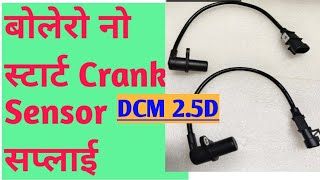
- A bad engine position sensor (either crank or cam)-hands down, this is what I find most often. Sensors wear out or just fail with age.
- Trouble in the wiring or at the connectors-think broken or chafed wires, corrosion, or plugs that don’t click in tight. It’s amazing how often this gets overlooked.
- Damage to the reluctor wheel (that’s the toothed wheel your sensor reads). If it’s bent, cracked, or gunked up with debris, the sensor can’t do its job properly.
- Contaminated engine oil-metal shavings or sludge can coat the sensor or reluctor wheel, throwing off the signal.
- A faulty PCM-rare, but I’ve seen one or two over the years where everything else checked out and the computer itself was the issue.
Most of the time, you’ll find the culprit in the sensor or its wiring, so I’d start your hunt there before replacing anything else.
Symptoms of obd2 code P0371
Wondering what you’ll actually notice when p0371 rears its head? Here’s what I tell customers to watch for:
- That dreaded Check Engine light will turn on and stay on until you fix the root issue.
- Hard starting-or sometimes, the engine just won’t fire up at all.
- Engine running rough, misfiring, or just feeling sluggish and down on power.
- Occasional stalling or hesitation, especially when you try to accelerate. It can catch you off guard at a stoplight.
Honestly, I’ve seen this code cause everything from a mild nuisance to a total no-start. It really depends on how far gone the signal is.

Diagnosis steps for obd code P0371
Here’s my tried-and-true approach when I’m tracking down a p0371, step by step:
- First thing-do a good visual inspection of the sensor and its wiring. I’m talking about checking for loose plugs, frayed wires, oil leaks, or crusty connectors. Corrosion at the connector is a classic issue.
- If you spot anything obvious-a broken wire, dirty connector-fix it, clear the code, and see if it comes back before moving on.
- Check for technical service bulletins (TSBs) related to your make and model. Manufacturers sometimes release fixes or updates for known issues.
- If nothing jumps out, I move on to testing the sensor. For a Hall effect sensor, grab a digital multimeter and check for a switching voltage while someone cranks the engine. You should see it flip between 0 and the reference voltage (usually 5 volts). If it’s a permanent magnet sensor, measure resistance (should be in the 500-1200 ohm ballpark, but check your specs) and look for AC voltage as you crank.
- If the sensor itself tests good, inspect the reluctor wheel for cracks, missing teeth, or debris. Sometimes you’ll need a mirror and good light to see in there.
- Next, test continuity and ground in the wiring between the sensor and PCM. A wiring diagram helps, but a multimeter and patience will get you there. Check for opens or shorts.
- If everything else checks out and you’re still stumped, then-and only then-consider the PCM. It happens, but it’s rare.
One quick safety note: Always have a helper crank the engine while you test, and double-check that the vehicle’s in park or neutral with the parking brake on. You don’t want any surprises.
Common Mistakes when fixing P0371
I’ve watched plenty of DIYers-and even a few pros-make these mistakes:
- Swapping the sensor immediately without checking the wiring or reluctor wheel. Believe it or not, a simple broken wire or dirty plug is often the real villain.
- Ignoring oil contamination or stray metal around the sensor. That’ll mess up your readings in a hurry.
- Skipping the check for TSBs. Sometimes the fix is already out there, but if you don’t look, you’ll miss it.
- Forgetting to check the sensor’s power supply and ground. If the sensor isn’t getting what it needs, it can’t work-no matter how fresh it is out of the box.
So here’s my advice: Don’t start spending money on parts until you’ve run through all the basics. It’ll save you time, cash, and plenty of frustration.

Seriousness of dtc P0371
If you’re debating whether you can ignore this code, let me be clear: you shouldn’t. A bad signal from the engine position sensor can have your engine running rough, stalling out, or refusing to start altogether. Keep running it like this, and you’re risking some real damage-misfires can toast your catalytic converter, and in the worst cases, you could get stranded or even end up with more serious engine problems. I’ve seen engines backfire and run dangerously, all because someone put off addressing this code. Problems like these can spiral fast. Components at risk include your catalytic converter, ignition coils, and-if timing gets way out of whack-even some internal engine parts.
Repair procedures for P0371 engine code
Based on what’s worked for me over the years, here’s how I’d tackle a p0371 repair:
- Fix or replace any damaged wiring or connectors you find right off the bat.
- Clean up any oil or debris around the sensor and reluctor wheel. If your oil’s looking nasty, change it and swap out the filter.
- If the sensor fails its electrical checks or looks beat up, go ahead and replace it.
- Repair or replace a reluctor wheel if it’s bent, cracked, or missing teeth. Don’t cut corners here-a damaged wheel spells trouble.
- If you’ve checked everything else and the PCM just isn’t sending or receiving signals right, it may be time for a replacement or reflash. But honestly, that’s the last thing I’d try.
Once you’re done, clear the code and take the car for a solid test drive to make sure everything’s truly sorted out.


Conclusion
If you’ve made it this far, here’s the bottom line: p0371 means your PCM’s getting way too many timing pulses from the position sensor, and that throws everything-fuel, spark, and even starting-out of whack. It’s not something to put off. The most reliable fix I’ve found is to start simple: check the sensor, the wiring, and the reluctor wheel before you start swapping parts. Keep after it, and you’ll get your ride running right again. Don’t ignore this one-it’s the kind of problem that can leave you stranded or cause real damage if you let it slide.

 5253
5253 7 minutes of reading