
Common causes of dtc P0373
From years in the shop, I can tell you these are the usual suspects when a p0373 code shows up:
- The engine position sensor itself (crank or cam) is faulty-these things do fail after enough miles or if they get contaminated.
- Wiring problems-especially broken wires, corroded pins, or connectors that aren’t seated all the way. I see this a lot in older cars or ones that have had rodent issues.
- A reluctor wheel that’s bent, misaligned, or caked with debris-sometimes even a missing tooth will do it.
- Nasty, contaminated engine oil-metal filings or sludge can actually mess up the sensor’s reading, especially after an engine failure.
- PCM failure-it’s rare, but I’ve run across a few where the computer was the root of the problem.
Honestly, nine times out of ten, it’s either the sensor itself or a wiring snag. That’s where I’d start your troubleshooting every time.
Recognizing the P0373 code symptoms
If you’re wrestling with this code, here’s what you’ll likely notice:
- That dreaded check engine light will be stuck on.
- The engine might crank but won’t fire up, or it starts hard and runs rough.
- You could feel misfires, stalling, or the engine just not wanting to idle right.
- Sometimes, you’ll hit the gas and it’ll hesitate or feel down on power.
From what I’ve seen in the shop, if the car still runs, it’ll feel off-like it’s fighting itself. If it’s not starting at all, P0373 is definitely a code to pay attention to.

Steps for diagnosing the P0373 engine code
Here’s how I tackle a p0373 diagnosis in the bay:
- Do a thorough visual check first. I always look over the sensor and wiring-loose connectors, frayed wires, corrosion, and don’t forget to pull the plug and check for bent pins or moisture.
- If nothing jumps out, I’ll clear the code, fire it up, and see if the code comes right back. Sometimes, it really is just a bad connection.
- Next, I’ll check for any TSBs (Technical Service Bulletins) for your make and model. Occasionally, there’s a known issue or a new part that fixes it for good.
- Testing Hall effect sensors, I use a digital multimeter set to DC volts. With the sensor plugged in, I’ll backprobe the signal wire, have a helper crank the engine, and watch for voltage pulsing from 0 up to the reference voltage-usually 5 volts. No pulse? Sensor could be toast.
- For permanent magnet sensors, I’ll check resistance across the sensor with the engine off first-should be in the 500-1200 ohm range (but check your specs). Then, with it plugged back in and the meter set to AC volts, I get someone to crank the engine. I want to see voltage moving as the engine spins.
- If the sensor itself checks out, I trace the wiring using the diagram and check continuity from the sensor to the PCM. No continuity? There’s your break.
- Don’t forget the reluctor wheel. Bent, filthy, or missing teeth can mess everything up. Sometimes you’ll need to pull a cover or use a small borescope to get a good look.
- If you’ve checked it all and still don’t get a 5-volt reference, or the PCM isn’t receiving a signal, you might have a rare PCM issue on your hands.
One tip-get someone to help you crank the engine while you poke around. Double-check your multimeter connections before blaming the expensive parts.
Avoiding mistakes with the P0373 trouble code
After years under the hood, I’ve spotted a few classic missteps when people chase down this code:
- Immediately swapping the sensor without checking the wiring or reluctor wheel. I see this all the time-it’s often just a crusty connector or broken wire.
- Overlooking nasty oil or metallic debris around the sensor, especially after engine repairs or failures. That stuff can really mess with the signal.
- Using the wrong test method-Hall effect and permanent magnet sensors need different approaches. Get it wrong and you’ll misdiagnose the problem.
- Skipping the TSBs-sometimes there’s an updated sensor or a new connector that fixes it for good.
Don’t be in a rush. Work through each step and you’ll avoid wasted time, money, and a lot of unnecessary stress.

How serious is obd2 code P0373
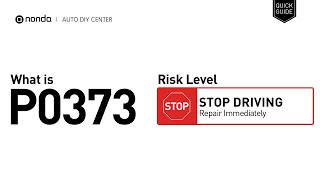
P0373 isn’t the kind of code you want to brush off. If your engine position sensor signal goes haywire, you could end up stalled in traffic, dealing with random misfires, or stuck with a no-start situation. That’s not just annoying-it’s downright dangerous. Let it go too long and you risk dumping raw fuel into the exhaust, which can toast your catalytic converter, or worse, send engine timing out of whack and cause internal damage. I’ve seen things go from bad to catastrophic fast, so don’t let this one slide. The parts at risk here? Catalytic converter, ignition system, and even the guts of your engine if timing jumps.
Repair solutions for obd code P0373
Here’s my usual playbook for fixing a p0373:
- Repair or replace any sketchy wiring or connectors you found during your inspection.
- If the sensor is gunked up or dead, clean or swap it out for a new one.
- If the reluctor wheel is bent, missing teeth, or out of alignment, fix or replace it.
- Change the oil if it’s full of sludge or metal bits-especially after engine work.
- If you’ve chased everything else down and the PCM still isn’t sending or receiving signals, replacing the PCM might be your last resort-but that’s the nuclear option and pretty rare.
Once you’ve done the fix, clear the code, take it for a solid test drive, and make sure it doesn’t come back before calling the job finished.


Conclusion
Bottom line-P0373 means your PCM isn’t getting the info it needs from a vital engine sensor, and that’s not something you want to ignore. It can leave you on the side of the road or lead to even bigger problems if you let it go. My advice? Always start with a close look at the sensor, the wiring, and the reluctor wheel-don’t just throw parts at it. Fixing this one quickly keeps your ride reliable and saves you a headache down the road.

 4728
4728 7 minutes of reading